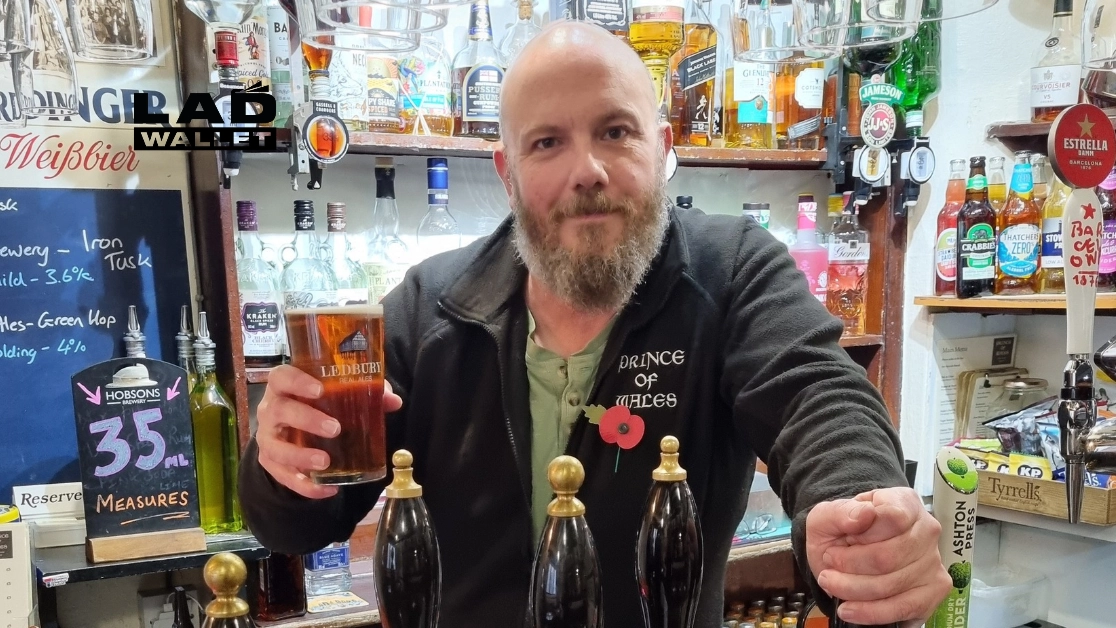
I earn just £2 an hour running a pub, here's where your money really goes when you buy a pint

A pub landlord has revealed he earns as little as £2-an-hour running his boozer and has to work a second job to make ends meet.
Jonathan Kaye, 51, runs The Prince of Wales in Ledbury, Herefordshire, and says the reality of owning a traditional pub is far from what customers might imagine.
From working up to 60 hours a week at the tavern, the father-of-two takes home around £12,000-a-year, meaning his hourly earnings can be as low as £2 to £3.
That's why he spends another 30 hours a week doing project work to give him enough of an income to stay afloat.
Advert
Britain is on track to have lost approximately one pub a day in 2026, totaling an estimated 360 permanent closures for the year, according to the British Beer and Pub Association.
While customers might assume a busy pub is making a fortune, Jonathan shows just how quickly money disappears.
‘The majority of the cost of the beer is the person serving the beer’
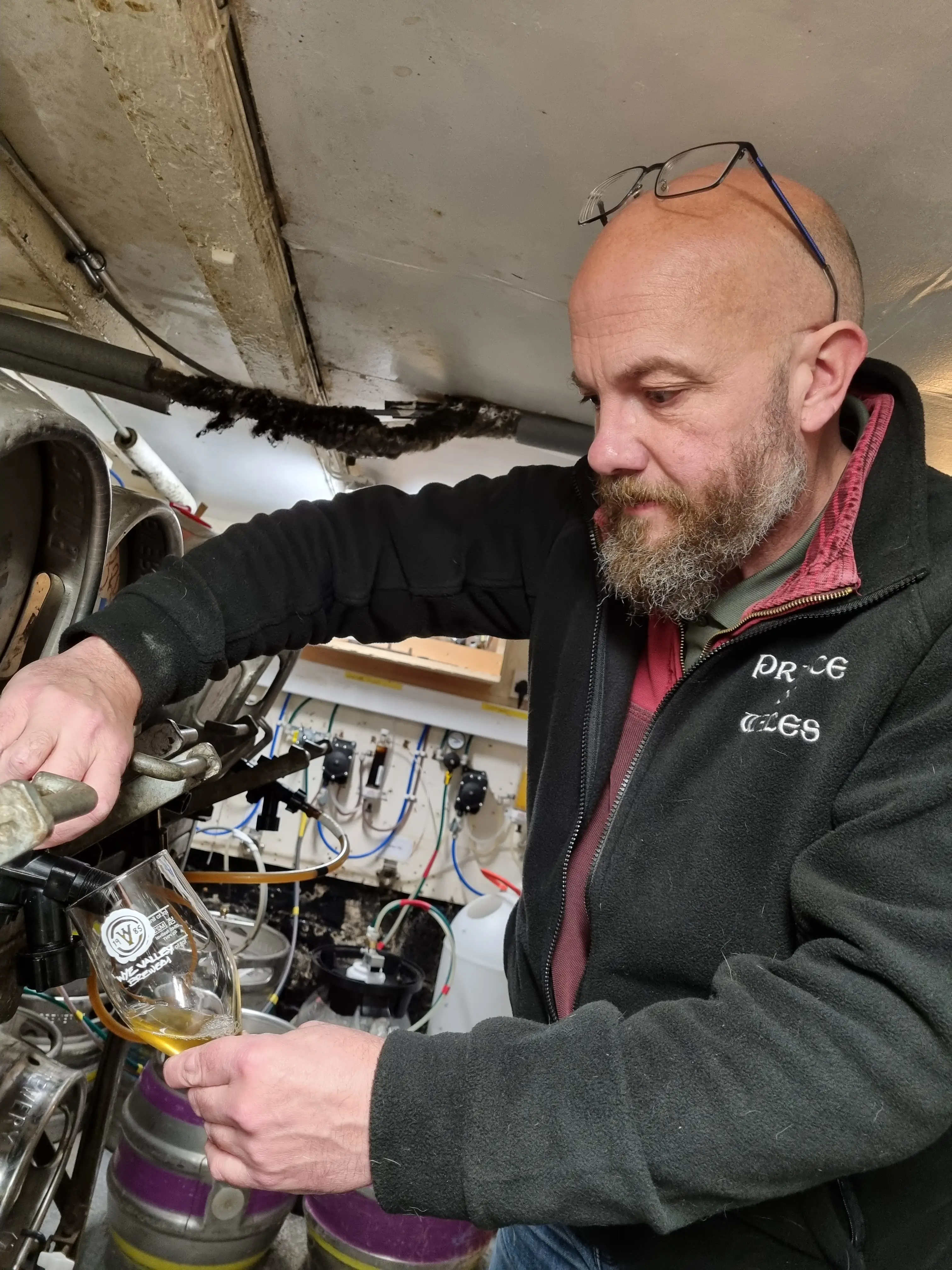
“When somebody pays a pound over the bar in the pub, 36p goes straight to the government,” he tells LADbible.
“And that's before I make a profit and before I actually pay corporation tax.”
According to Jonathan, that figure includes VAT, beer duty, National Insurance, business rates and other taxes.
However, his biggest expense is paying staff, with annual costs rising from a budgeted £85,000 to almost £200,000.
“We're running well over 30% of our turnover on staff costs and I think, historically, a freehold pub like us would have been 15/20% maybe, and now we're well over 30%.
And despite the pub recording £460,000 in turnover last year, it made just £6,000 profit.
Jonathan expects turnover to exceed £500,000 this year, but much of the money will be reinvested into repairs and improvements.
Ahead of the Budget on Wednesday afternoon (28 October), Jonathan says three things would make hospitality businesses ‘go from loss-making to profit-making overnight’.
Cut VAT
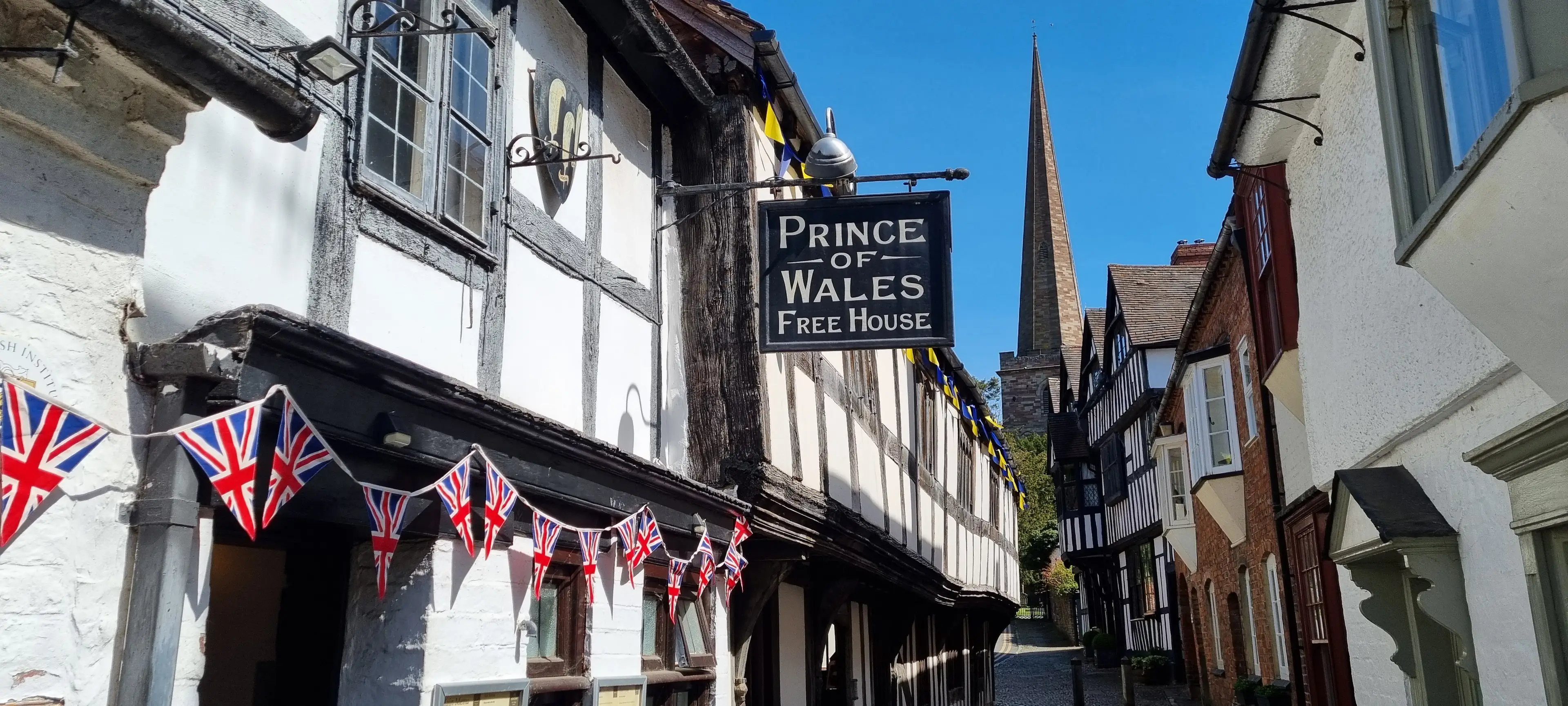
Jonathan wants to see a cut to VAT for pubs and other hospitality businesses, which he believes could be a lifeline for struggling landlords.
"VAT is the problem. If they reduce VAT in hospitality, there would be a massive number of hospitality businesses that would go from loss-making to profit-making overnight."
At the moment, pubs have to charge 20% VAT on food and drink, while supermarkets don't have to charge VAT on many of the food products they sell.
Jonathan reckons cutting hospitality VAT from 20% to 10% could save his pub around £50,000 a year.
"If somebody turned around to us tomorrow and said we'll drop your VAT from 20% to 10%, £50,000 would go straight to the bottom line," he explains, noting that the money wouldn't just go straight into his pocket.
For Jonathan, it's about giving pubs some breathing room rather than simply making more money.
Reduce National Insurance and employment costs
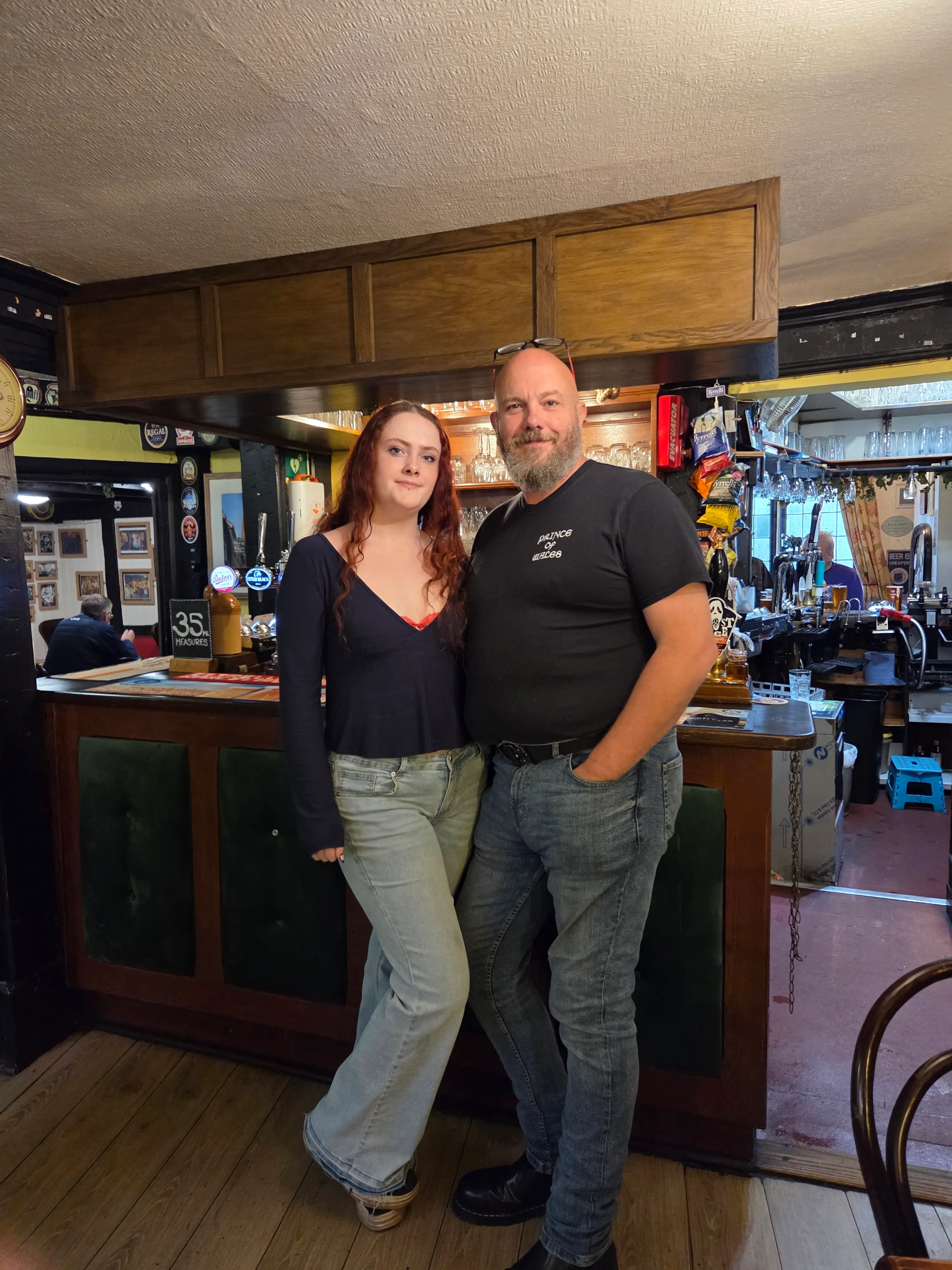
Jonathan wants the Chancellor to tackle the rising cost of employing people, particularly employers' National Insurance.
"We're a Living Wage Foundation employer, so we believe in people earning a good wage for the work that they do," he said.
But paying someone's wages is only part of the bill. Once National Insurance, pension contributions and holiday pay are added, the actual cost of employing someone is considerably higher.
He says his staffing costs have shot up from an original budget of around £85,000 a year to almost £200,000.
"We're running well over 30% of our turnover on staff costs. Historically, a freehold pub like us would have been 15 to 20%, maybe. Now we're well over 30%," Jonathan said.
And unlike supermarkets, pubs can't just replace their staff with self-service checkouts.
After all, Jonathan points out that having someone behind the bar to pull your pint and have a chat is part of the reason people go to the pub in the first place.
He wants the government to make employing people more affordable without leaving workers worse off.
Reform business rates
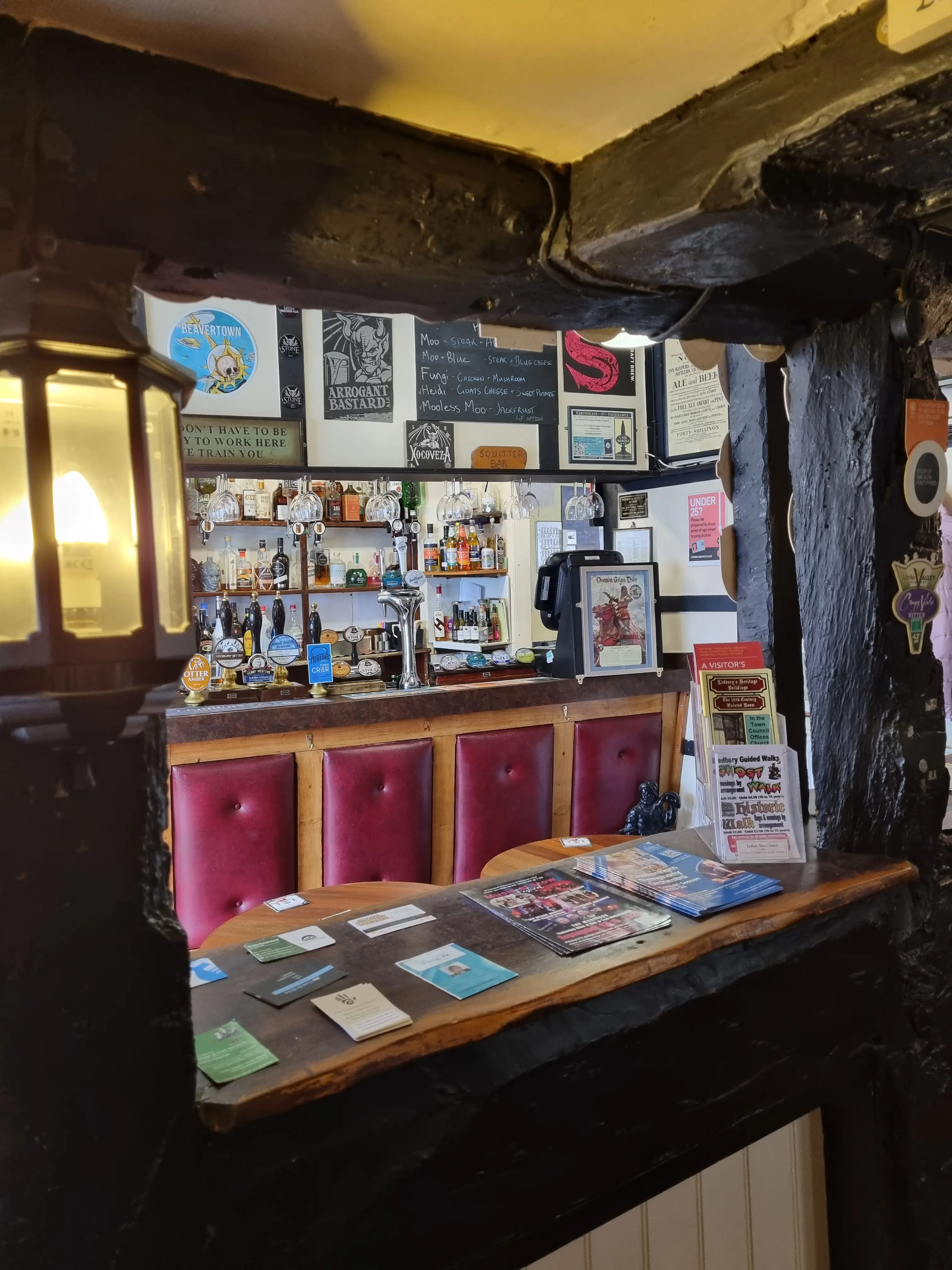
Finally, Jonathan wants the government to sort out business rates, rather than announcing discounts that don't make much difference to what landlords actually pay.
"They keep talking about reforming business rates and then they tweak the numbers. They're not reforming business rates."
When he first took over his pub, his annual business rates bill was around £3,500.
This year, it's £7,800, and without discounts, he says he'd be looking at a bill of more than £13,000.
He's also struggling to understand why his relatively small pub has a higher rateable value than some bigger establishments nearby.
"Ours has gone up from £24,000 to £33,000 on rateable value. Why are we paying so much more than the others? We're the smallest."
Jonathan is particularly frustrated by politicians announcing business rates discounts when other changes mean the overall bill doesn't necessarily come down.
He says pubs are often singled out when the government wants to show it's helping small businesses, but landlords don't always see those supposed savings.
What he wants is a proper rethink of the system, rather than another temporary discount that sounds good on paper but leaves pub owners struggling to cover their bills.
 Anish Vij