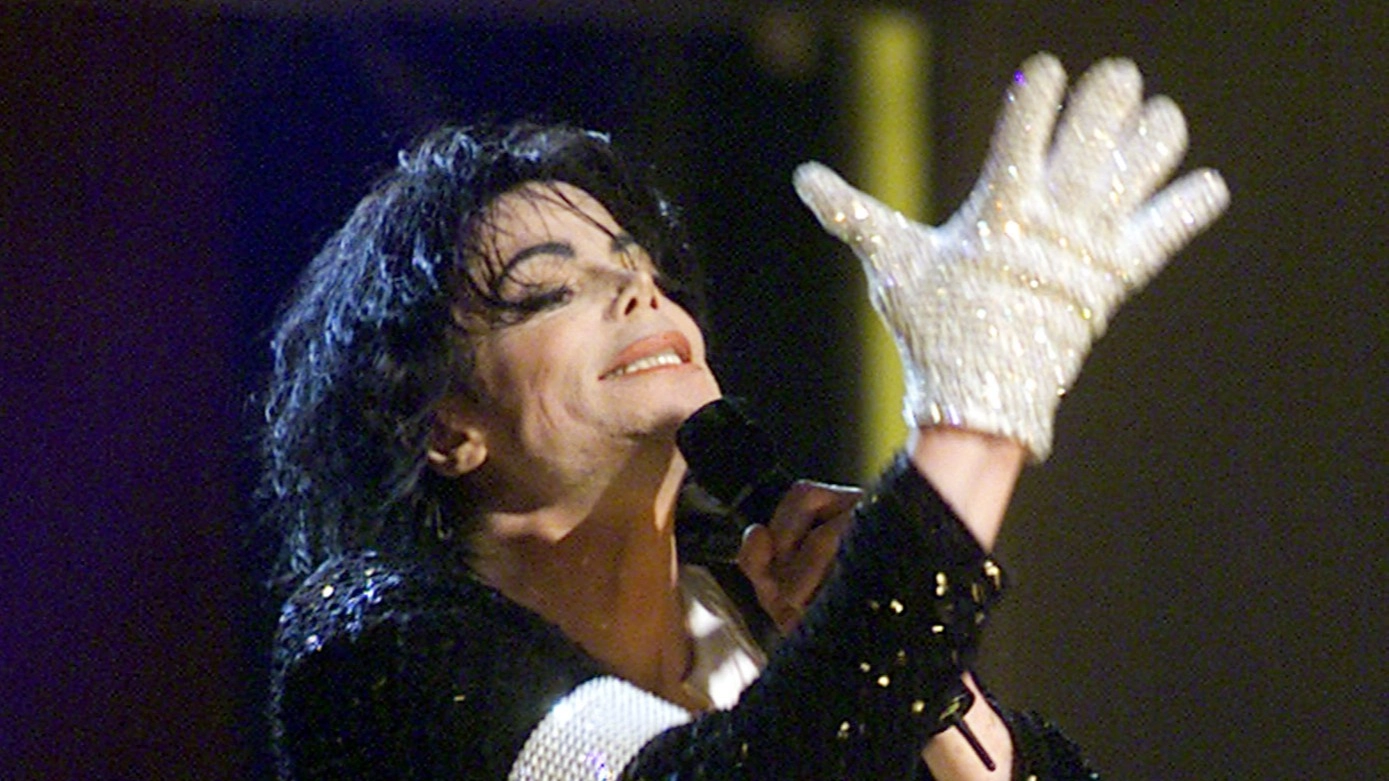
Real reason Michael Jackson wore iconic single white glove

Michael Jackson has been the focus of two very different pieces of media which paint a very distinct picture of the King of Pop.
Since his death in 2009, the legendary performer has been the subject of a number of disturbing abuse claims, with several alleged victims stepping forward to share their experiences with the singer.
However, these claims surfaced before his death, with Gavin Arvizo, a visitor to his infamous Neverland ranch claiming that he abused him, with the subsequent trial the subject of Netflix's recently released mini docuseries.
Although the biographical film Michael faced criticism for not addressing these allegations, the creators did briefly address his struggles with vitiligo.
Advert
While the singer struggled immensely with the skin condition throughout his life, as his skin slowly faded from black to white, it did inadvertently give birth to one of his most iconic looks.
His vitiligo symptoms, which caused white blotches on his skin, first showed up on his hand, and he instead chose to cover it with the white glittered glove which became a staple of his performances from 1983 onwards.
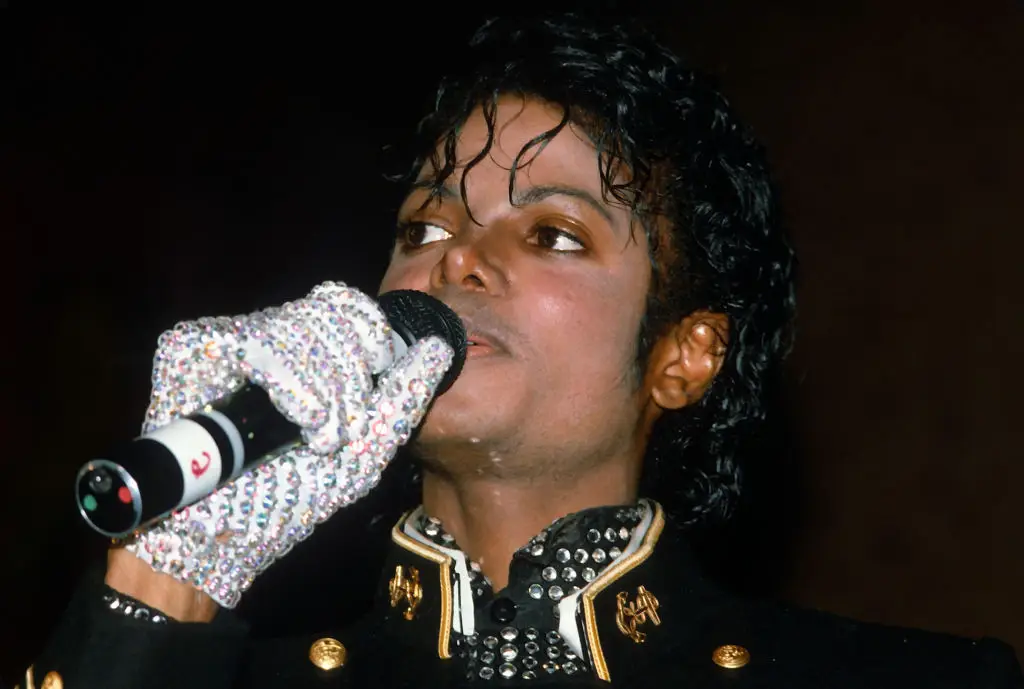
Despite some shocking media reports at the time, which claimed that he was dyeing his skin to appear whiter, actor Cicely Tyson clarified that the glove was used to cover his vitiligo, after he wore one in tribute to the popstar at his memorial service.
The actor had shared a fashion designer with Jackson and said: "All of a sudden, [my designer] said to me 'I'm doing this glove for Michael'. Well, Michael was beginning to develop the vitiligo and it started on his hand."
"The glove was to camouflage it. That's how that glove came into being."
Cicely, who passed away in 2021 at the age of 96, was even fortunate enough to be there when the glove was being created, but she might not have predicted just how important it would become to Jackson's image.

Jackson did undergo a number of surgeries during his life, including extensive work on his nose and face, but he clearly struggled with the stigma attached to his skin condition.
He was questioned about the change in his skin tone by Oprah Winfrey in the 1990s, who said: "The colour of your skin is obviously different than it was when you were younger ... is your skin lighter because you don't like being Black?"
Michael defended himself, replying: "This is the situation, I have a skin disorder that destroys the pigmentation of the skin. It's something I cannot help, okay?
"But when people make up stories that I don't want to be what I am it hurts me ... It's a problem for me. I can't control it."
Michael Jackson: The Verdict is available to watch on Netflix now
 James Moorhouse