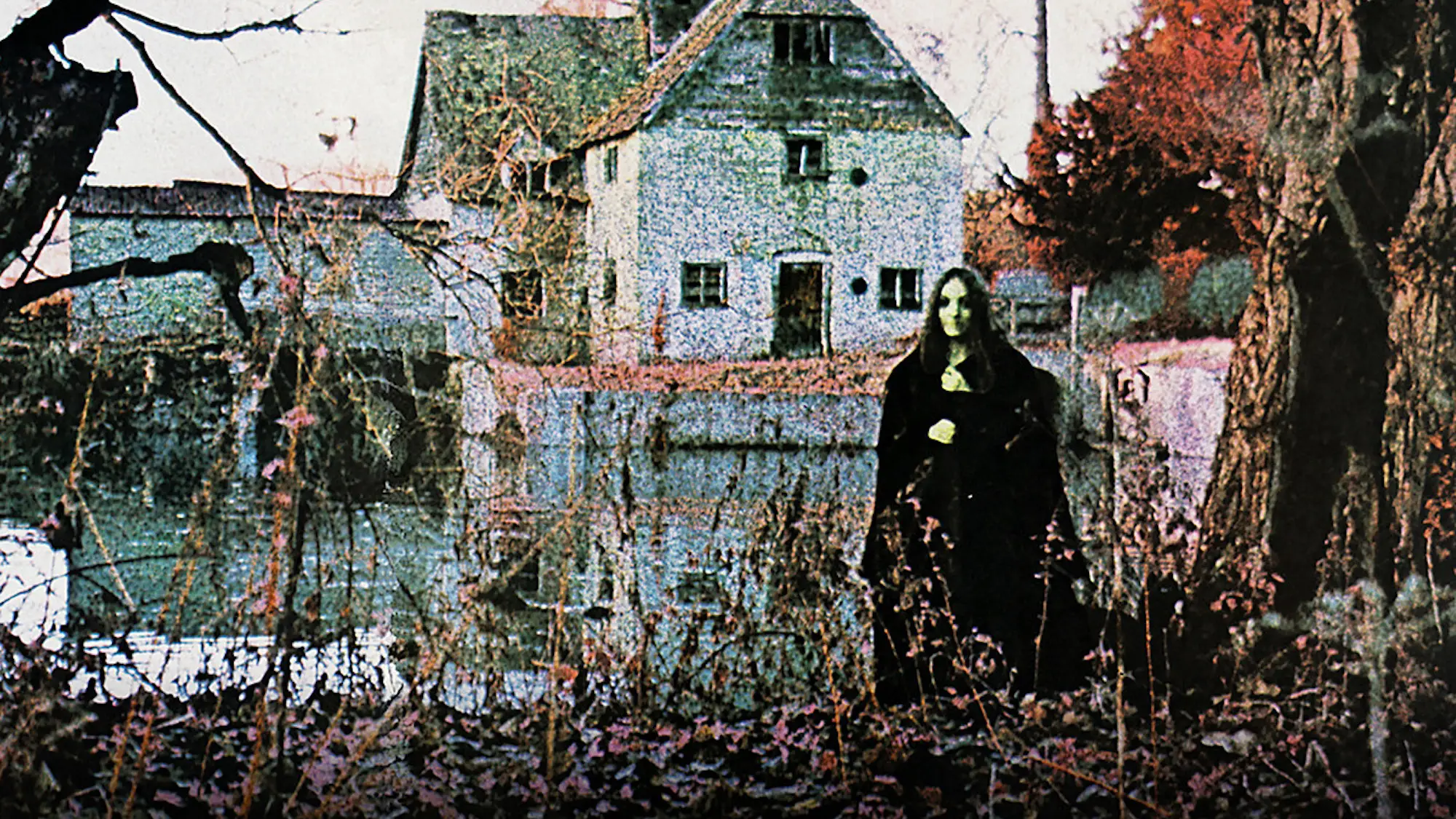
What woman from iconic Black Sabbath album cover is doing now 50 years on

You might not know her name, but you’ve almost definitely seen her before.
She locks eyes with you as you flick through classic records at your local music shop, she haunts your heavy metal playlists, she's been staring back from one of the most iconic album covers in rock history for more than 50 years.
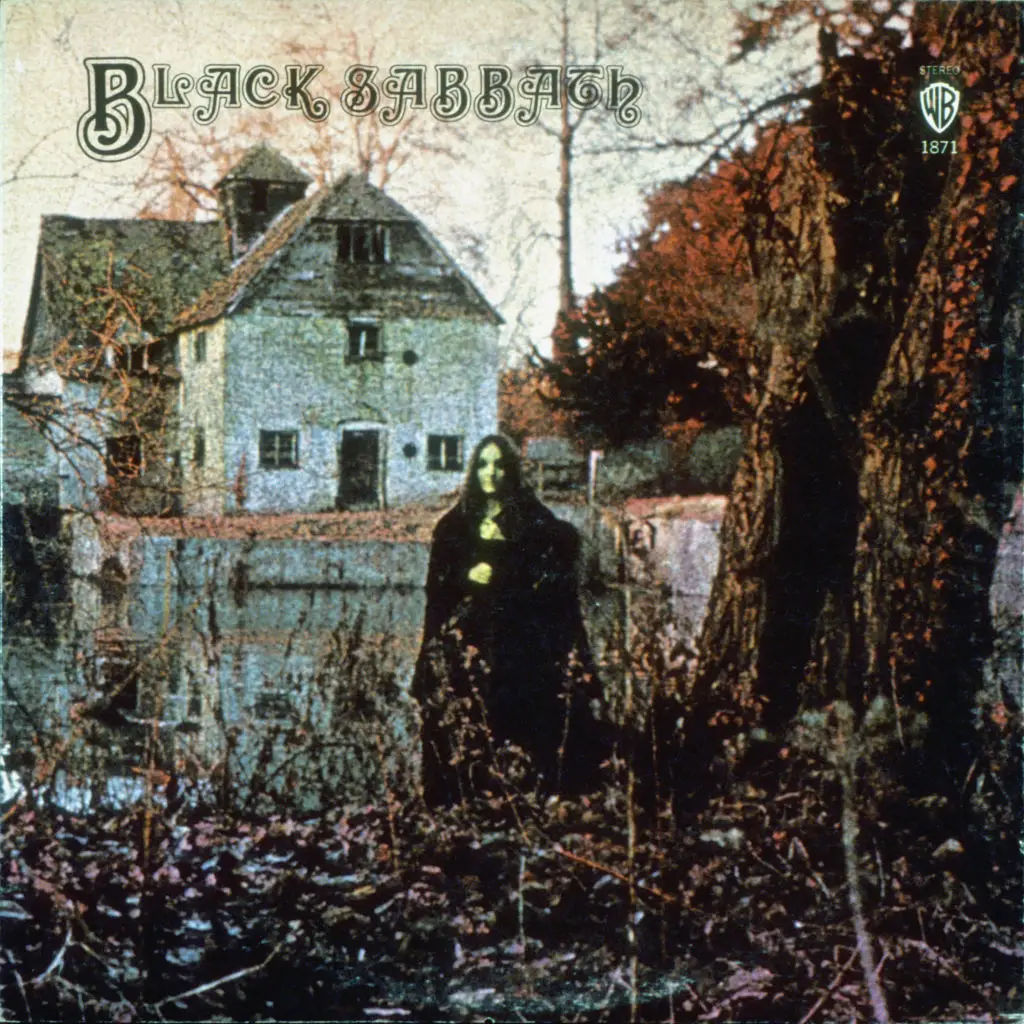
Of course, I'm referring to the iconic, yet deeply unsettling figure from the cover of Black Sabbath's self-titled debut album.
The mystery of this shadowy woman, pictured lingering on the famous album cover was solved back in 2020 by Rolling Stone, who revealed her name was Louisa Livingstone.
Advert
Livingstone was in her late teens when photographer Keith Macmillan scouted her to model for the Black Sabbath cover.
She had been working as a model at an agency in London in the late 1960s when he picked her out.
Macmillan told Rolling Stone that he chose Livingston because she was just five feet tall, so her petite frame would make the surrounding landscape look even bigger and more imposing.
Reflecting on the photoshoot, Livingstone told the music outlet at the time: “I remember it was freezing cold. I had to get up at about 4 o’clock in the morning.”
Whatever she thought of the shoot at the time, Livingstone certainly had no idea how iconic her photo would go on to be.
“I’m sure [Macmillan] said it was for Black Sabbath, but I don’t know if that meant anything much to me at the time," she confessed.
These days Livingstone is working on a music career of her own, under the name Indreba.
Although her genre of choice is electronic music, Livingstone has made some music inspired by her time on the Black Sabbath cover, including two tracks called 'Witch Woman’ and ‘The Woman by the Mill’.
More recently, though, she has been working on music about AI. Specifically, a five-track psychedelic rock opera called Alice.
The project is inspired by Lewis Carroll's Alice in Wonderland with a 2026 twist, exploring a what would happen if Alice ended up falling in love with artificial intelligence.
Err, right.
She described the concept to Rolling Stone as the story of 'myself (or Alice) falling in love with AI' before realising that it was 'just a beautiful illusion along with everything else on the internet.'
And before you ask, yes, she did use AI to make her rock opera.
As well as AI instruments and vocals, she told the magazine: “I’ve been experimenting a little with cloning my own voice and seeing what different things I can do with the help of AI."
Addressing the controversial use of artificial intelligence in her work, she mused: "I used to be very judgmental about AI like many people, but it’s a tool that you can use to create either absolute rubbish or ‘slop’ as it’s called, to something really good and interesting.
"It’s still down to the user and their input. It will always reflect the person who is using it and how well or badly they use it and their musical tastes and knowledge."
So, Black Sabbath's 'witch woman' has been rather busy, as it turns out.
And there we were thinking she’d just been standing around looking spooky for the last 50 years
 Ali Condon