Martin Lewis issues major warning over student loan 'overpayment risk' that could impact millions

For those paying off their student debts, Martin Lewis has issued a money warning over the potential risk of overpayment which could impact Brits.
The money saving expert has warned that potentially millions of people with the loans could end up essentially 'throwing money away' and urged people to act.
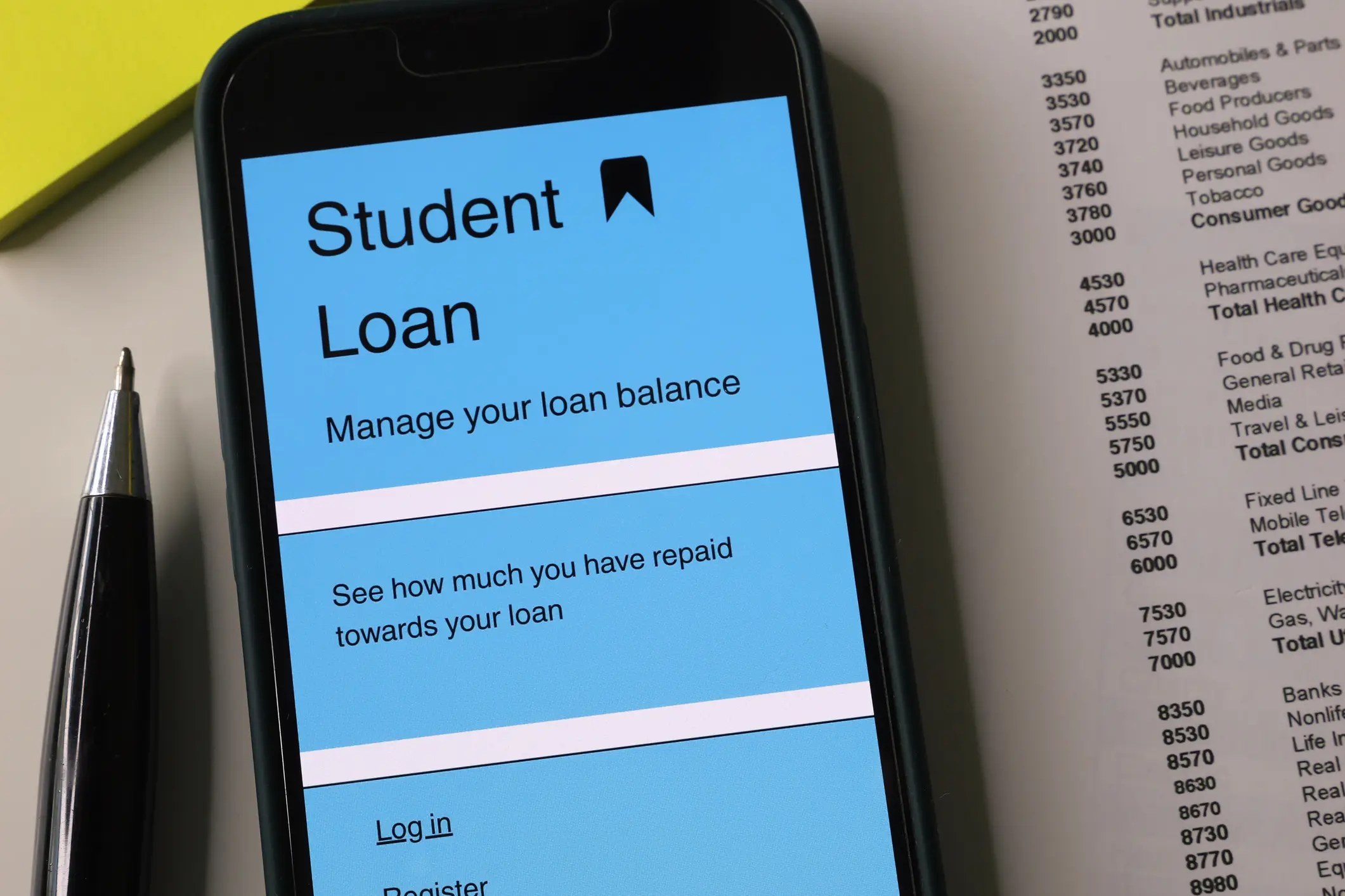
This is due to the structure of a repayment loan which is currently held by around five million people on the Plan 2 loan. This is a UK government student loan arrangement for undergraduate students who started their courses between 1 September 2012 and 31 July 2023 in England, or from 1 September 2012 in Wales
According to data from the Student Loan Company obtained previously by the Financial Times, there are 5.4 million people with Plan 2 loans, with the threshold of earning £29,385 per year before the loan begins to start being paid back.
Advert
However these plans have been likened to a 'stealth tax' and have caused a stir over the charges, which are above the rate of inflation.
Students will 'never realistically pay back loans'
Founder of Rethink Repayment, Oliver Gardner, previously claimed that these figures highlight the need to 'fix the student loan system'.
"It makes no sense to run a student loan system where, unless you are among the top earners, you can never realistically expect to clear what you owe," he said.
According to the House of Commons library, interest rates on student loans do not affect how much someone must repay each month and that payments are decided on salaries and home countries.
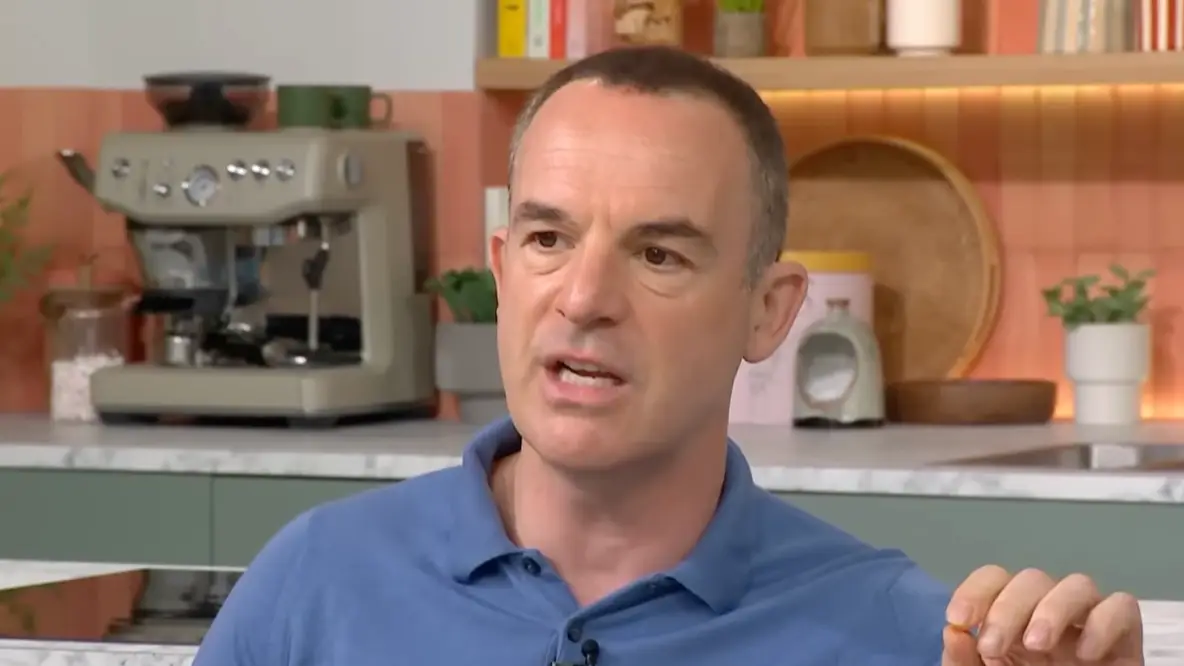
Martin Lewis meanwhile issued his fresh warning while speaking with a 32-year-old data consultant called Callum who was trying to get out of his debt.
On his BBC podcast, the money expert issued a response for all listeners and those paying back their student loans.
Callum had asked for help to decide whether to clear his student loan or mortgage, prompting Martin to issue a 'really important' consideration.
He explained that it depends 'massively' on someone's earnings because that is what dictates the thresholds and the amount re-paid each year.
Risk of overpaying is like 'throwing money away'
Government guidance states that the amount repaid on the loans depends on the sum earned earn before tax and other deductions, including bonuses and overtime.
Student loan debts are then actually wiped after 30 years, with most people who aren't among the highest earners never able to actually repaying them in full.
In Callum's case, earning £99,000, he was likely to do so, but Martin said 'around 70' percent of people wouldn't end up ever paying it off.

"In that case, there is the plausible risk that overpaying your student loan will not actually reduce what you pay in the future and therefore will be throwing money away," he explained.
Meanwhile in an article on Martin Lewis' Money Saving website, the expert wrote: "Many are understandably angry, as they look at their statements and see their repayments aren’t making any headway.
"Some are calling it a ‘stealth tax’ – which it definitely feels like, though how stealthy it is is an open question.
"From the start when Plan 2 loans were introduced, I argued against above inflation rates of interest being added, based on a principled belief that we shouldn’t charge people for the financing of the funding of their education, and the psychological impact, just as much as the cost."
Topics: Martin Lewis, Money, LADwallet, UK News
 James Holt