Expert explains why Stranger Things de-aging is so unsettling as 'young Will Byers' freaks out fans

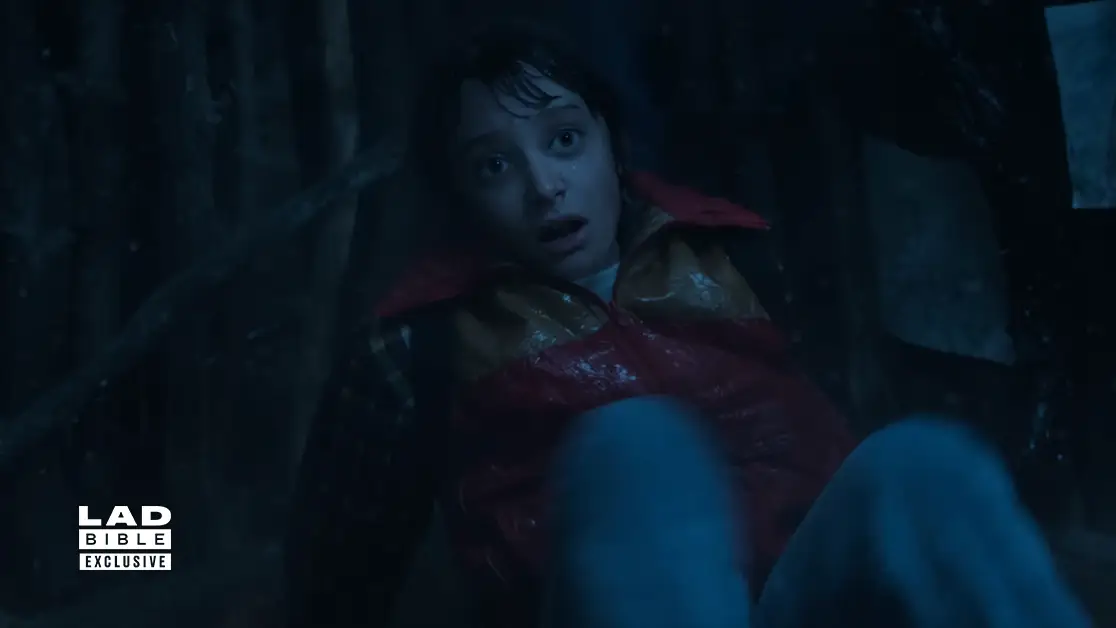
An expert has explained why familiar faces being de-aged is so unsettling to TV and film viewers, specifically why the new season of Stranger Things opened with a ‘young Will Byers’, which fans were less than keen on.
Stranger Things season five has sparked a massive online reaction and is sure to be Netflix’s biggest show by the end of the day.
Between major theories being confirmed and people reacting to the major jumps in the ‘Byler’ storyline, it’s been a hectic day on social media to be a Stranger Things fan.
One major talking point, however, has been the ‘young Will Byers’ in season five, with Netflix having revealed how they were able to de-age Noah Schnapp for the opening scene.
Advert
This gives a bit more context on Will’s time trapped in the Upside Down, showing him being chased by a Demogorgon. Whilst you’d think the focus would be on the scene itself, a lot of reactions have pointed out how unsettling the de-aging technology is in its attempt to keep his age accurate in the flashback.
One fan posted a picture of the de-aged Will, noting how unsettling the image is.
Another tweeted that they 'could've just saved themselves the time and money' by animating it instead.
On an objective level, the de-aging in the scene is great; however, as is often the case with de-aged actors, viewers’ brains simply reject it.
The reason for this is the 'uncanny valley' theory, a phenomenon in which digital things are made to look nearly exactly human.
Dannielle Haig, business psychologist, spoke exclusively to LADbible, where she weighed in on why it unsettles your brain so much and what the uncanny valley is.

She said: “In simple terms, the uncanny valley is what happens when something looks almost human, but not quite and that 'almost' triggers a threat response in our brain. We’re wired to read faces incredibly fast and accurately; it’s one of our core survival skills.
“When a face looks human but moves in a slightly off way, or the skin texture, eyes or timing of expressions don’t quite match what our brain expects, we get a kind of emotional whiplash. We know it’s supposed to be a person, but our nervous system can’t quite trust it.”
Speaking specifically on digital de-aging in TV and film, she stated that it is ‘especially prone to [the uncanny valley] because it’s trying to override what we know to be true'.
She went on to add: “We’ve seen that actor age over time, so our brain holds a very clear mental model of how they 'should' look now.
“When we’re suddenly presented with a much younger version of them, but with tiny digital imperfections, it creates a clash between memory and perception.
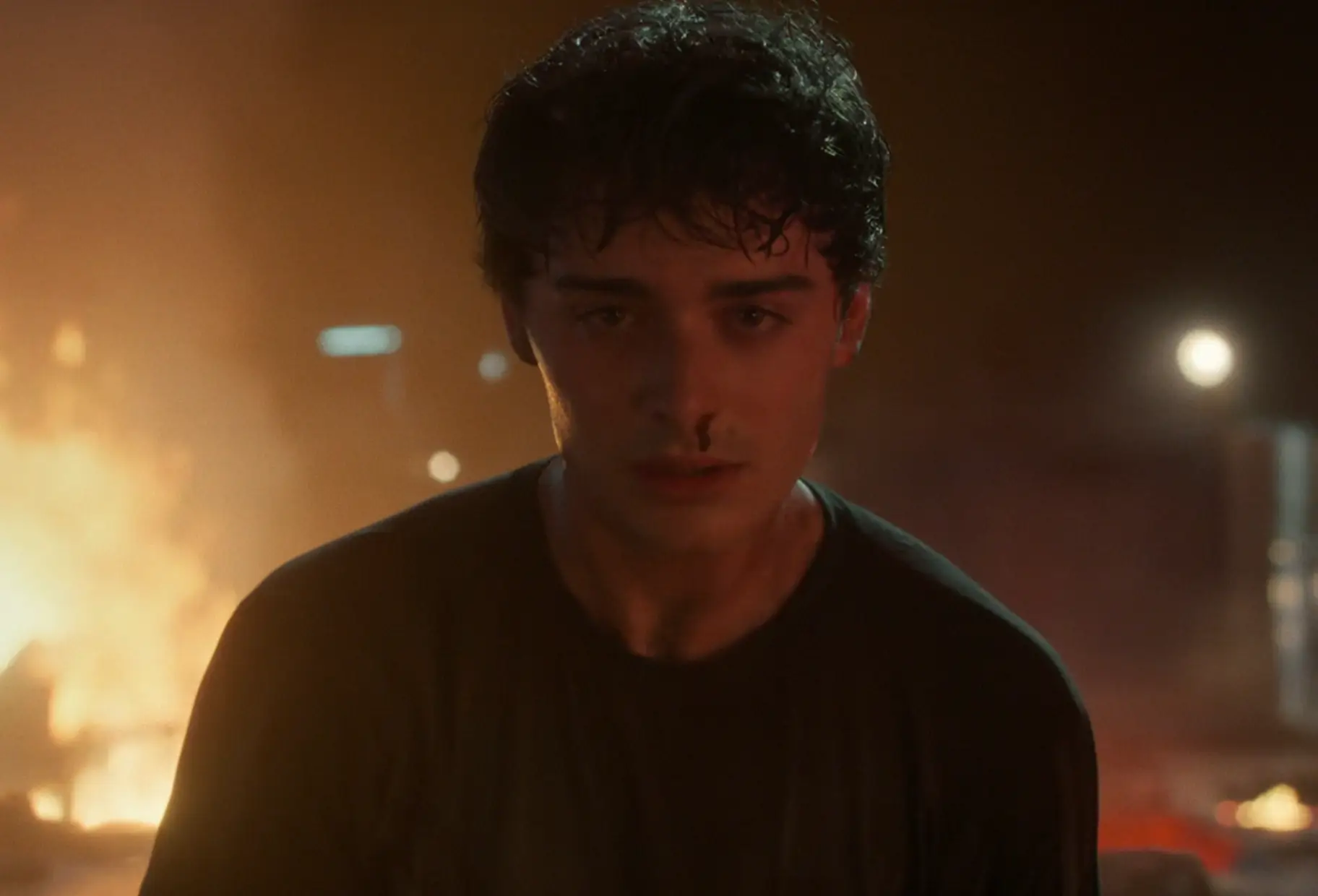
“That mismatch is what makes people say things like ‘I don’t know why this freaks me out, but it does’.”
Dr Haig finally added that there’s something ‘quietly unsettling about time being messed with’.
She said: “Age, wrinkles, small asymmetries, these are all cues of real, lived human experience. When technology smooths them away, we’re left with a face that looks human but feels strangely hollow.
“It’s as if the life has been taken out of it. That can tap into deep fears around death, artificiality, and losing control of our own bodies.”
In essence, if the digitally de-aged Will freaked you out, this is probably the reason why.
Stranger Things season five volume one is available to stream on Netflix now.
Topics: Stranger Things, Netflix, TV and Film, TV
 Michael Slavin