
New plans will see millions unable to view BBC, ITV or Channel 4

A campaign group is accusing the government of planning to cut off terrestrial TV channels for millions of Brits in a way that will disproportionately affect older Brits.
Here's the situation, under current legislation Freeview is protected until 2034 at the earliest which means people in the UK who use it as their way of watching TV will be fine for several years.
What comes after that is not yet certain because it's not yet time for the government to publish their consultation paper on the future of TV in the UK and plans to end digital terrestrial television (DTT).
Basically, since the last analogue signals were turned off in 2012 people in the UK either watch TV through DTT, which is better known as Freeview, or via Internet Protocol Television (IPTV).
Advert
More and more people are joining the latter category where they're using their internet connections to watch the telly, and the government is looking at the possibility of wrapping up Freeview.
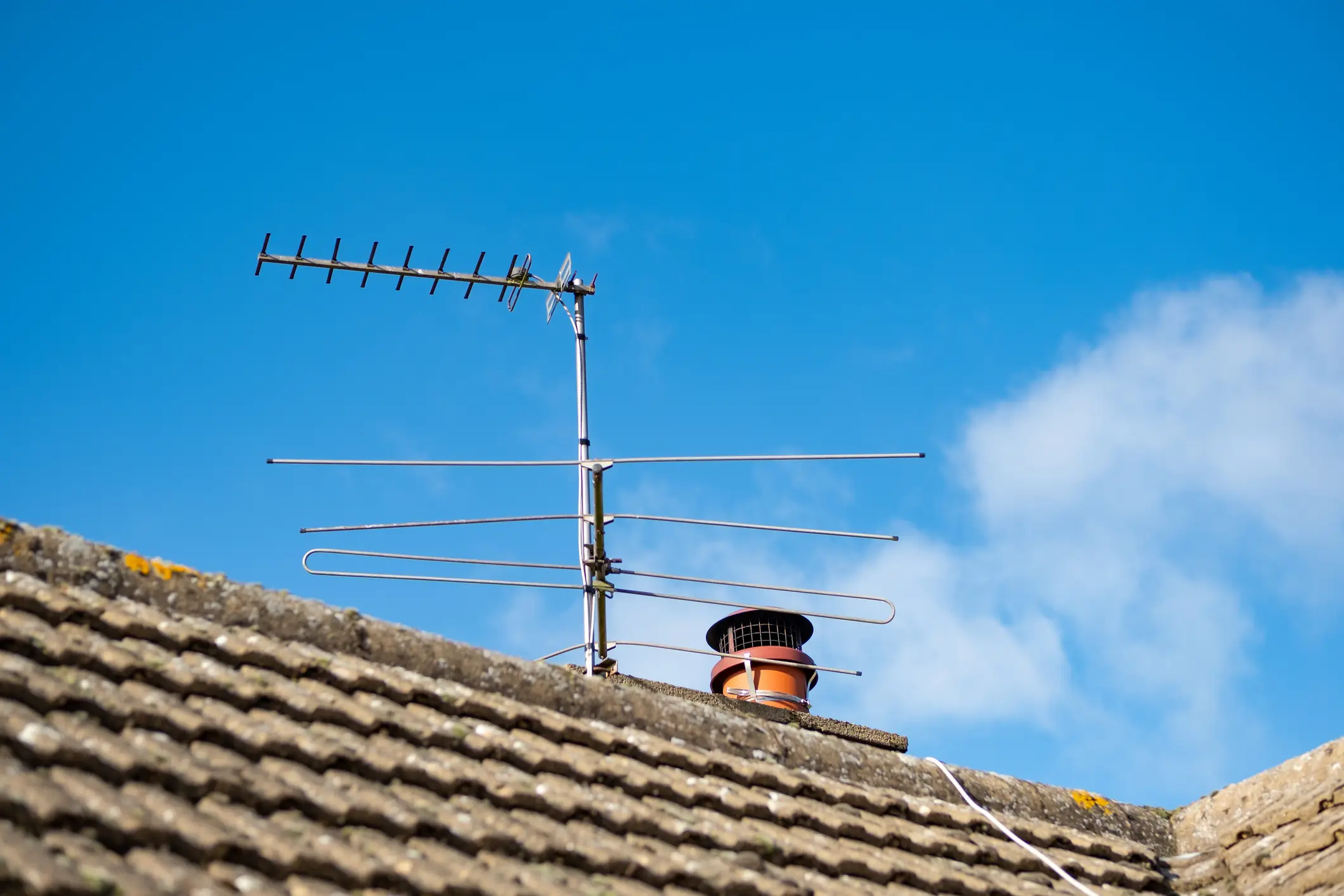
There is already an alternative in place in the form of Freely, which lets people watch the likes of the BBC, ITV and Channel 4 via their broadband, though it does require an internet connection not every household has.
It's possible that 2034 might be Freeview's last year, and the Department for Culture, Media and Sport has planned out possible scenarios for who might be left out by switching over.
If they do nothing then there could be millions unable to view the most popular TV channels in the UK.
How many millions? Almost two. The government projects that if they do naff all about a switchover then come 2035 there will be 1.8 million households still on Freeview who'd lose access to their normal TV viewing.
Of these 1.8 million households, 1.1 million would be expected to have the internet connection to make the switchover, so really the worst case scenario is 700,000 households left with no way to watch TV several years from now.
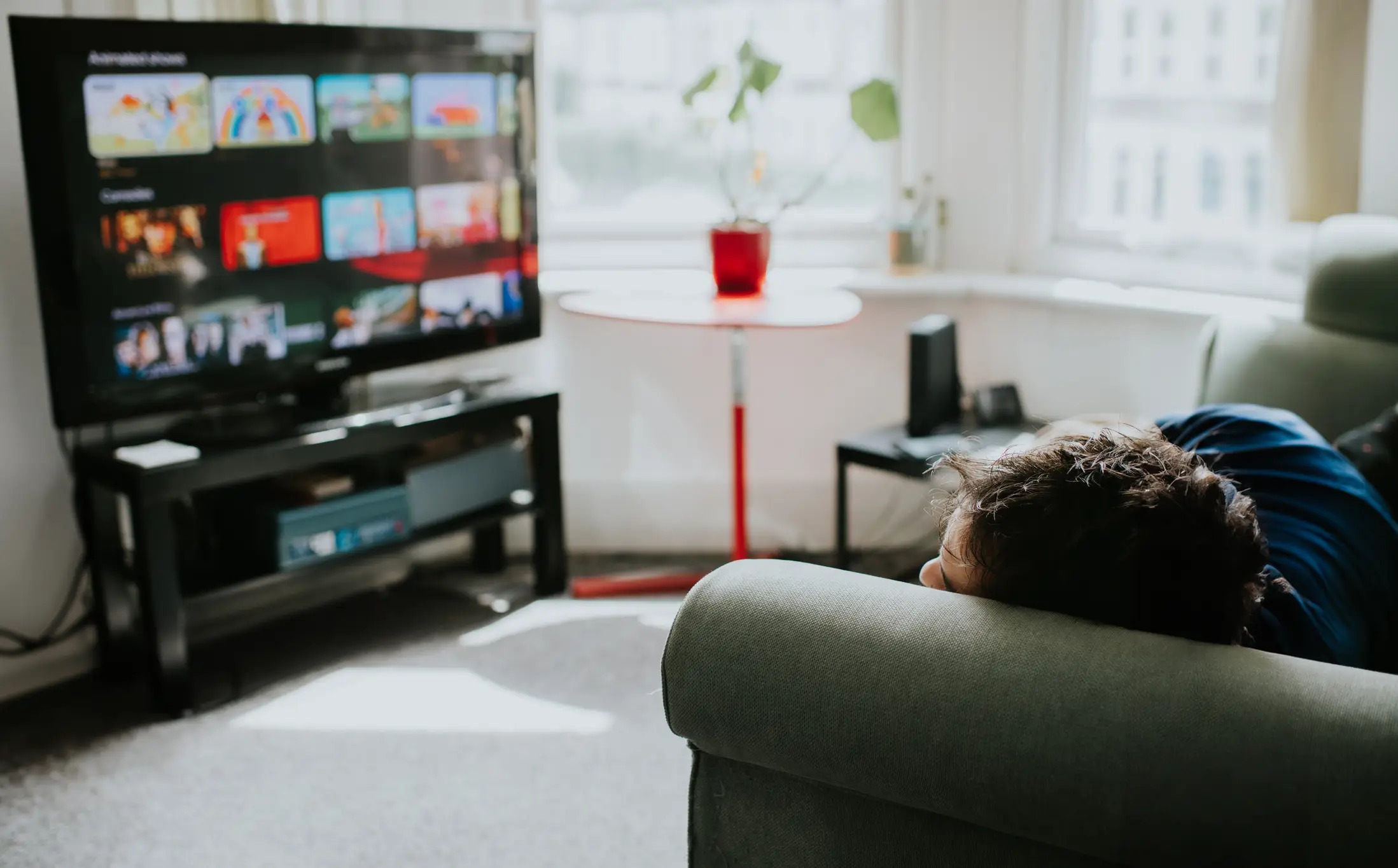
According to Sky, if there's a proper announcement next year and the government communicates what's happening to Freeview, if indeed it is their plan to wind it down, then the number of households affected is expected to drop to around 330,000.
A help scheme would go even further, as back when the analogue signal was being ended the DCMS identified around six percent of households as 'digital refuseniks' who were going to be stubborn and try to refuse the switchover to Freeview.
However, they were helped to prepare for it and the transition was basically seamless, and 2034 is a long way away so there's plenty of time to get people prepared if that ends up being the plan.
The campaign group Silver Voices, which represents older people, argued that older people were more likely to be affected by any changes and said TV bosses were pushing to move things online to save money.
According to The Guardian that is in part true, as maintaining Freeview is costing broadcasters a lot of money for something a decreasing number of households are using to watch TV.
Ofcom have said the potentially affected are 'more likely to be disabled, older, living alone, female, and geographically in the north of England, Wales, Scotland and Northern Ireland'.
Arqiva, which provides the infrastructure for DTT, wants it to continue for longer and is arguing that Freeview should be kept until 2040 to give households more time to get online.
If you're not already doing it, it's probably an idea to see if you get IPTV, just in case.
Topics: UK News, TV, IPTV, Technology
 Joe Harker