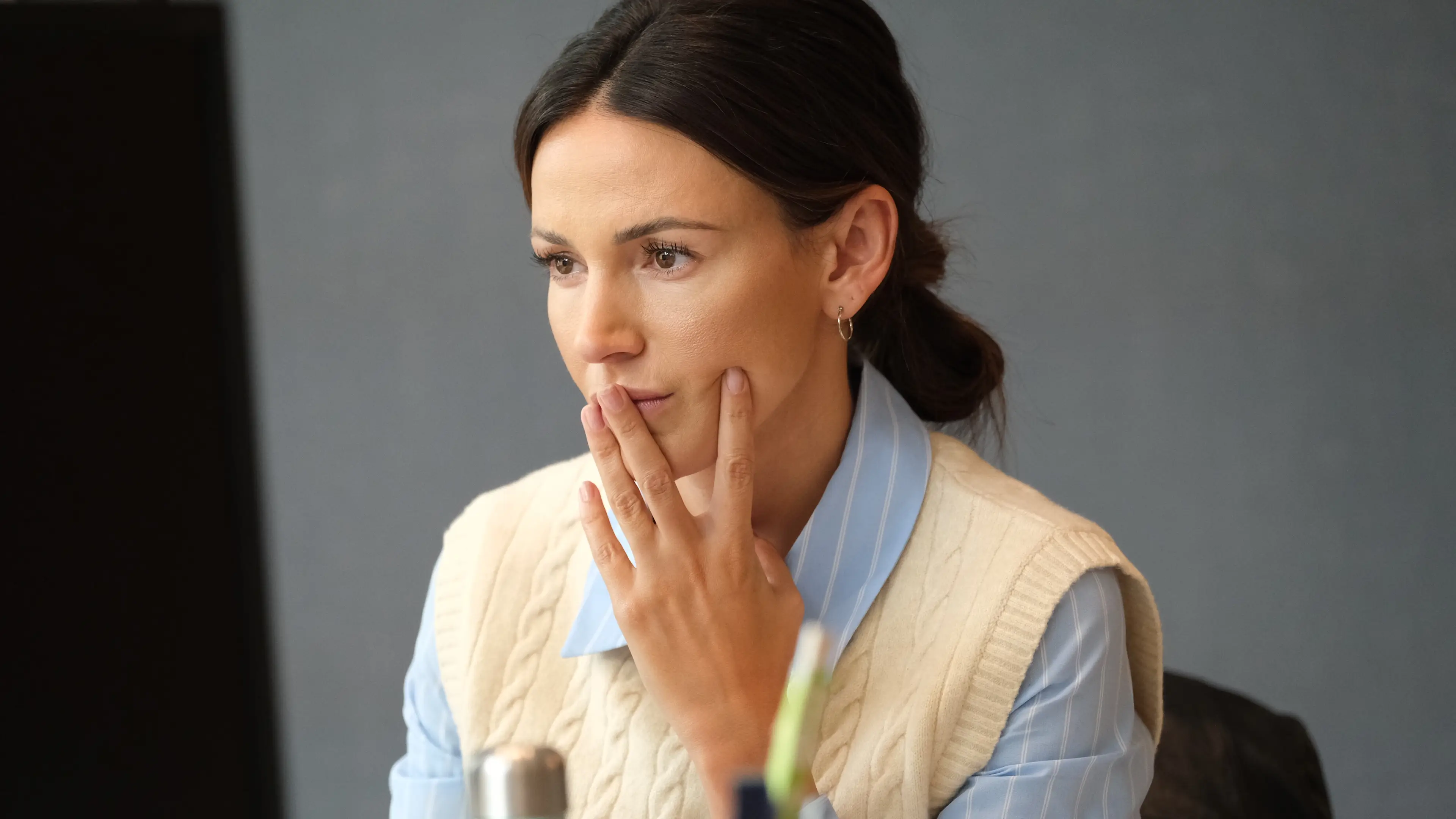
New Michelle Keegan ITV drama had opening scene cut because original was ‘too explicit’

The planned opening for Michelle Keegan’s new ITV drama had to be cut and reformulated because it was deemed too ‘explicit’ for audiences, according to the show’s main stars.
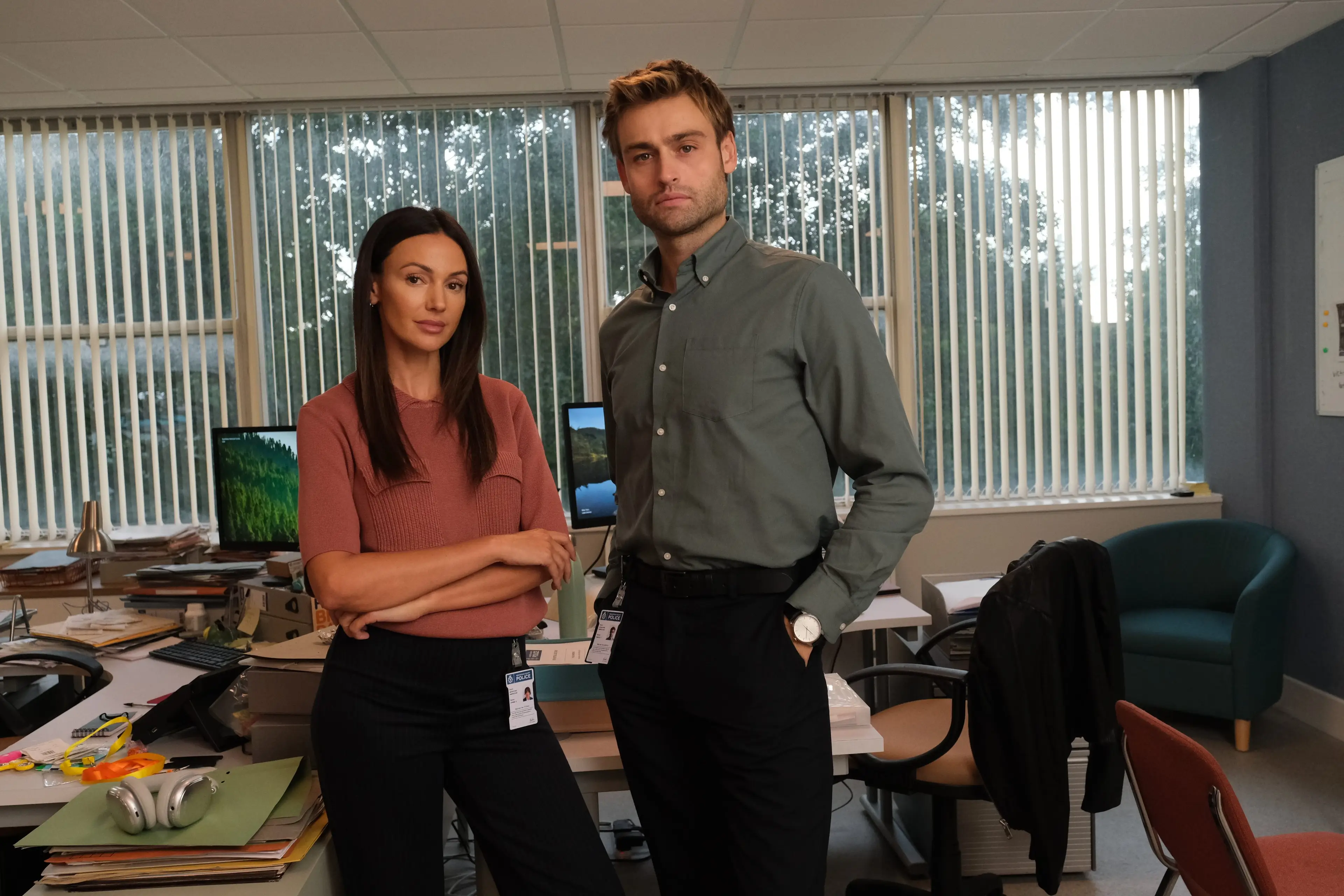
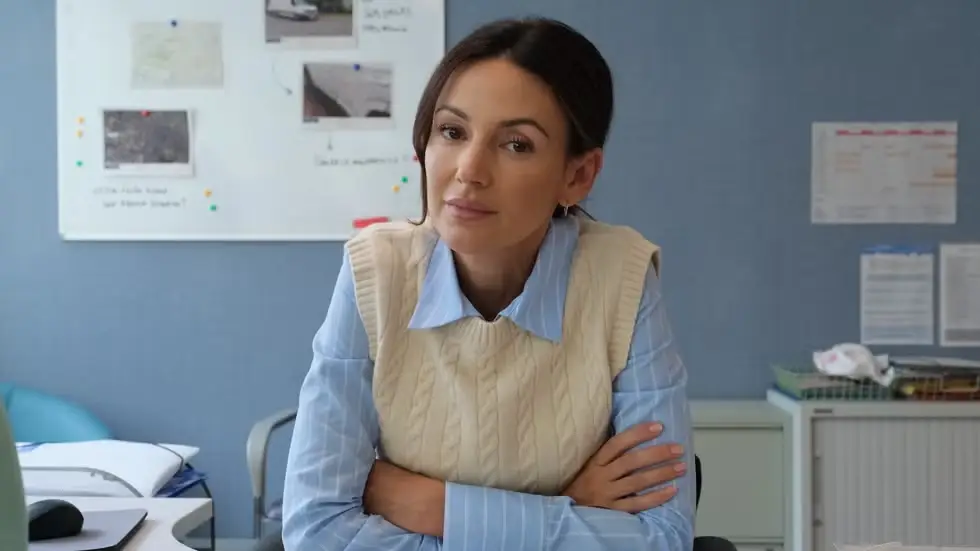
On 20 September, the six-part series The Blame debuted on ITV. It follows a grisly investigation into the murder of a local teenage girl, led by Keegan's DI Emma Crane and her ‘nice guy’ partner, DI Tom Radley (played by Douglas Booth).
The channel promises that the programme, which opens with Crane and Radley in the pub while other police officers discuss how best to pick up women, will ‘have audiences on the edge of their seats’.
“The drama dives into secrets, suspicion, and systemic corruption - all under the surface of the seemingly quiet town, Wakestead,” ITV added.
Advert
TechRadar reported that the programme’s misogynistic opener wasn’t how the show producers originally wanted to kick off The Blame.
Instead, there were a ‘couple of different versions’ filmed, Booth, 34, told the publication.
“There was a much more explicit one that [creators] decided not to go with. It was explicit... I won't go into what. But they didn't start with it.”
The Dirt favourite claimed that despite the early concept being scrapped, *The Blame—based on the book of the same name by Charlotte Langley—*still started in a ‘blunt and direct’ manner.
“But I think even if it wasn't that blatant, the effect would be the same. As you go through the story, it goes much deeper.”
Misogyny is a key theme
Tandem with the classic whodunnit plot, The Blame is used to explore misogyny in the workplace.
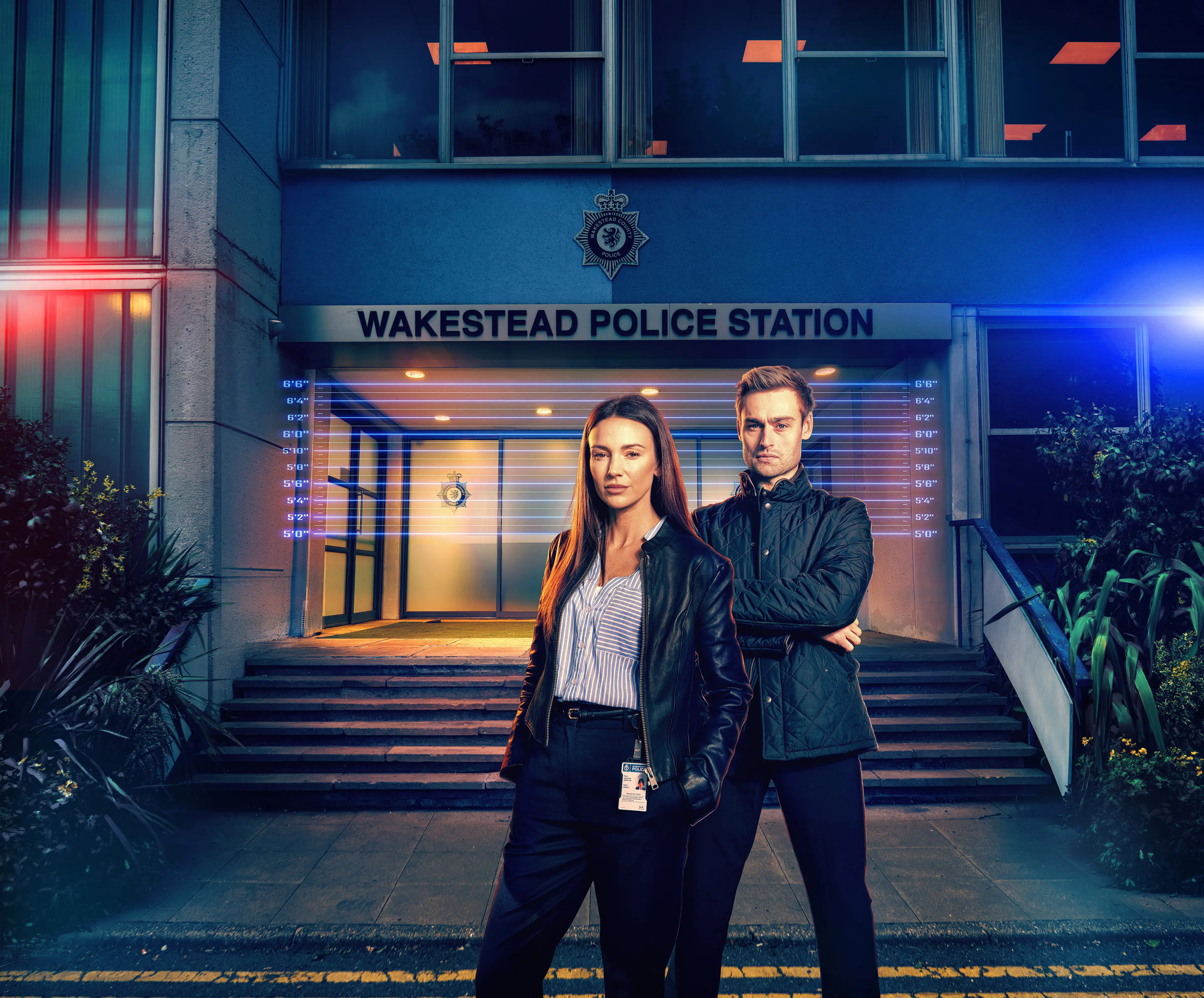
As Keegan and Booth’s characters continue to work to understand the missing Wakestead teen’s last known moments, it becomes apparent that some in the department harbour deep-rooted misogynistic views.
Digital Spy wrote that viewers are likely to ‘grit their teeth in anger’ whenever Crane ‘suppresses the urge to bite back or advocate for herself against the relentless torrent of abuse’.
“Oftentimes she puts up with workplace harassment, choosing her battles carefully in order to keep her position so that she can enact change,” a review stated.
Speaking about the misogyny and bullying that her character endures across The Blame, Keegan, 39, said: “You're trying to solve a crime, but the way that men talk to you, the way they interfere or get in the way, even the compliments... this is all explored through many facets.
"But starting with the base of something seeming harmless immediately drops you into the right place.”
She added in an interview with The Manchester Evening News: "I feel a responsibility, and we want to start a conversation at the end of it that people can relate to in their workplace and speak up and feel comfortable to speak up as well.”
“If you've done nothing wrong, what would you be worried about?"
When asked about backlash for potentially portraying police officers in this manner, Booth claimed: “When we spoke to police, they understand that there are issues. I don't think anyone can say otherwise.
“But you also see all of the brilliant work that the police do. They're doing a really difficult job out there, all the time.
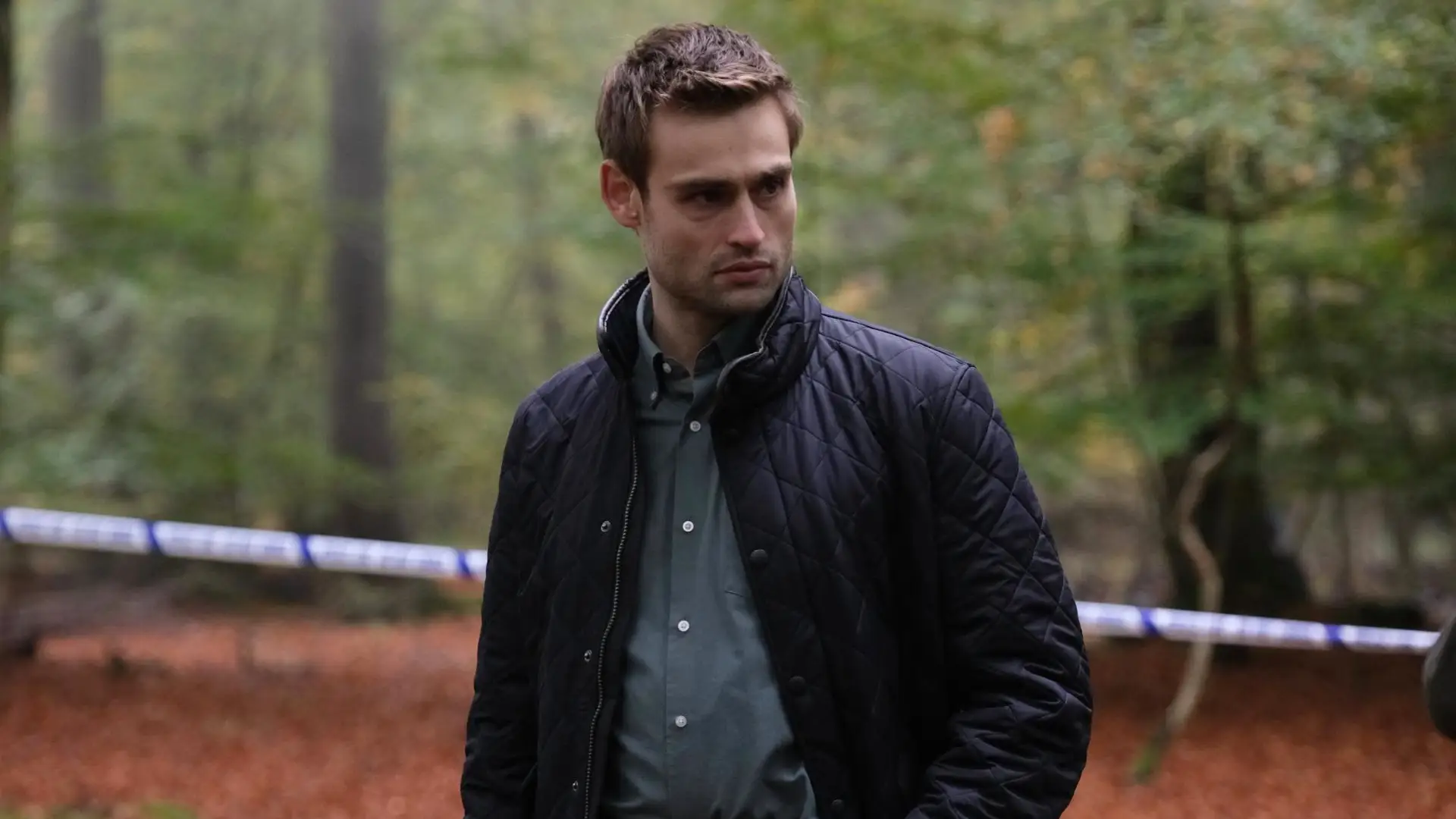
"That doesn't mean that there aren't systemic issues, and a certain institutional rot that is portrayed in this show.”
He added: “But I'm not really worried. Because if you've done nothing wrong, what would you be worried about?"
What happens in The Blame?
An official ITV synopsis reads that it doesn’t take Crane and Radley, who work at the Wakestead Police Station, too long to identify the main suspect in the missing teenage figure skater case.
However, as the case progresses, an ‘unexpected lead comes to light’.
“As Crane and Radley dig deeper, they uncover a web of lies, institutional cover-ups and moral compromise, which forces Crane to question the people closest to her.”
Real-life text messages inspired the series
During one episode, Crane uncovers a secretive WhatsApp group where her colleagues shared stomach-rolling ‘banter’ about cases and sensitive pictures of victims.
Executive producer Nicola Shindler said that she and her team were actually able to access similar messages shared by real-life police officers.
“We did a lot of work on the cases that are out there. We had access to those text messages which real police officers have sent,” she informed the Manchester Evening News.
"They become increasingly important and we wanted to keep it as close to that as possible. If we'd made it up, you wouldn't believe what was in those messages, so we chose not to make it up.
“The reality is so shocking if you sit and look at a list of what was said."
Shindler added: “The culture of misogyny and the way that certain cases are handled and certain people are treated, I just think telling it within a really compelling story which makes you want to keep watching, which entertains you, is just such a good opportunity.”
All episodes of The Blame are now available to stream on ITVX.
 Ella Scott