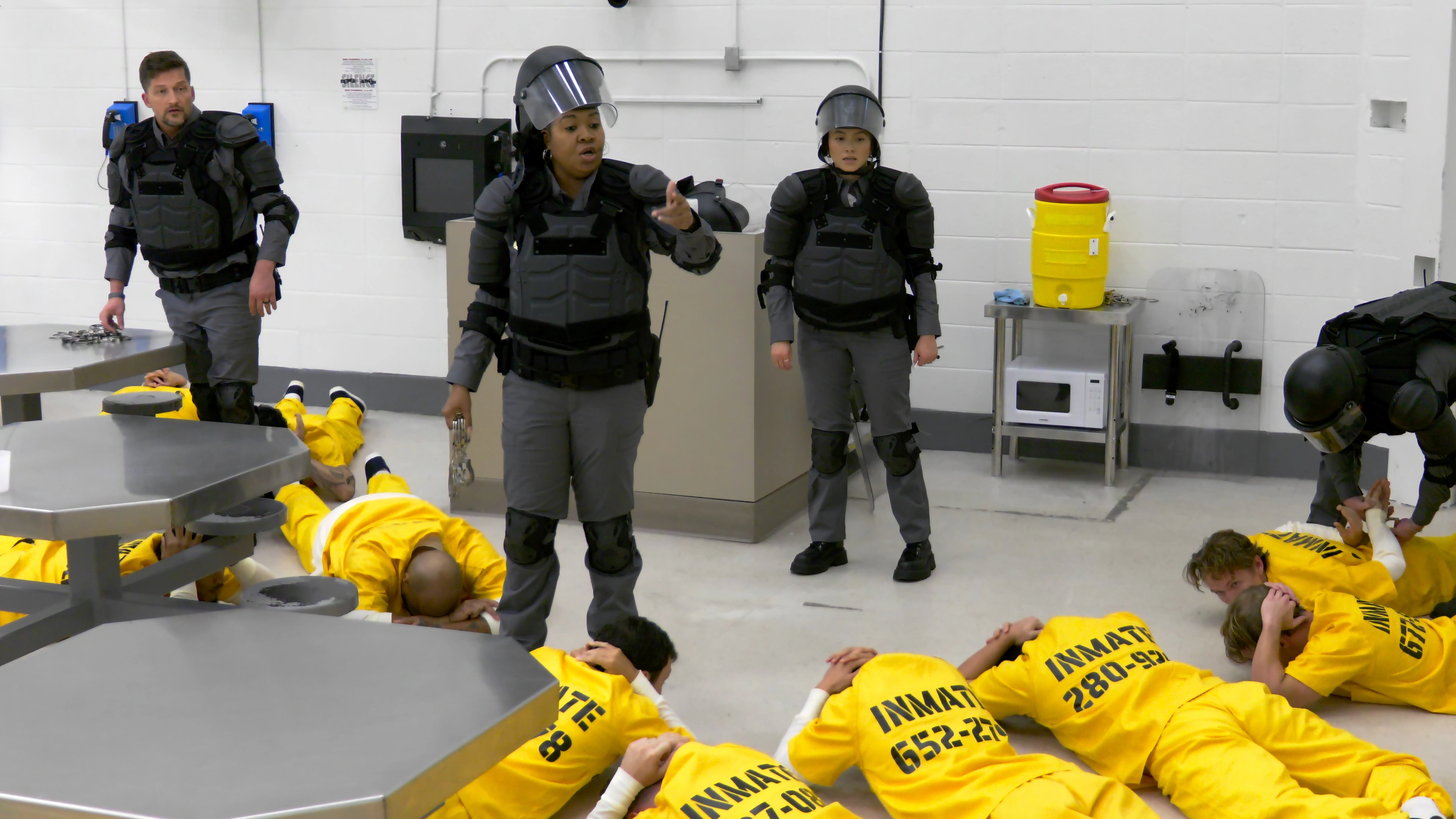
How Netflix changed Stanford Prison Experiment in 2026 version of infamous experiment

Netflix have produced an updated version of the Stanford Prison Experiment which was infamously ended after just six days due to horrific abuse enacted by participants on one another.
The Stanford Prison Experiment saw 24 men placed in a prison and randomly assigned roles as a prisoner or guard, with the guards told to maintain order no matter what.
In Netflix’s version several changes were made to the process to make sure it was far more ethical, with the Stanford Prison Experiment now essentially known as the quintessential example of an unethical psychological experiment.
The executive producers of the deeply controversial new show, which was widely criticised for ‘recreating’ the experiment which led to severe abuse, spoke to Variety about the safeguarding changes they made from the original experiment.
Advert
Jane Lipsitz and Dan Cutforth actually revealed that at times the show became so tense that they worried it would similarly be shut down for six days, but they had clear guard-rails in place which prevented it devolving in the same way.
Netflix had much more stringent vetting for the experiment and addressed one of the biggest criticisms of the original
In the new version of the experiment the vetting process was very different to the original.
The Stanford Prison Experiment featured 24 white men, but the new series is a far broader mix of race and gender, intended to make sure its more representative.
In addition to this, one of the major criticisms of the Stanford Prison Experiment was the lax psychological vetting process which led to several of the key problems.
This time round there was ‘extensive background checks and psychological testing’ as well as medics and psychologists being on hand throughout the entirety of filming.
The original also saw those running the experiment heavily influence the contestant’s behaviour and encouraging particularly the guards to keep things under control by ‘any means necessary’. In the Netflix version, production made a particular effort to avoid influencing things.
Contestants were given a safe word which could give them an out if they were distressed, but the show has been critically panned
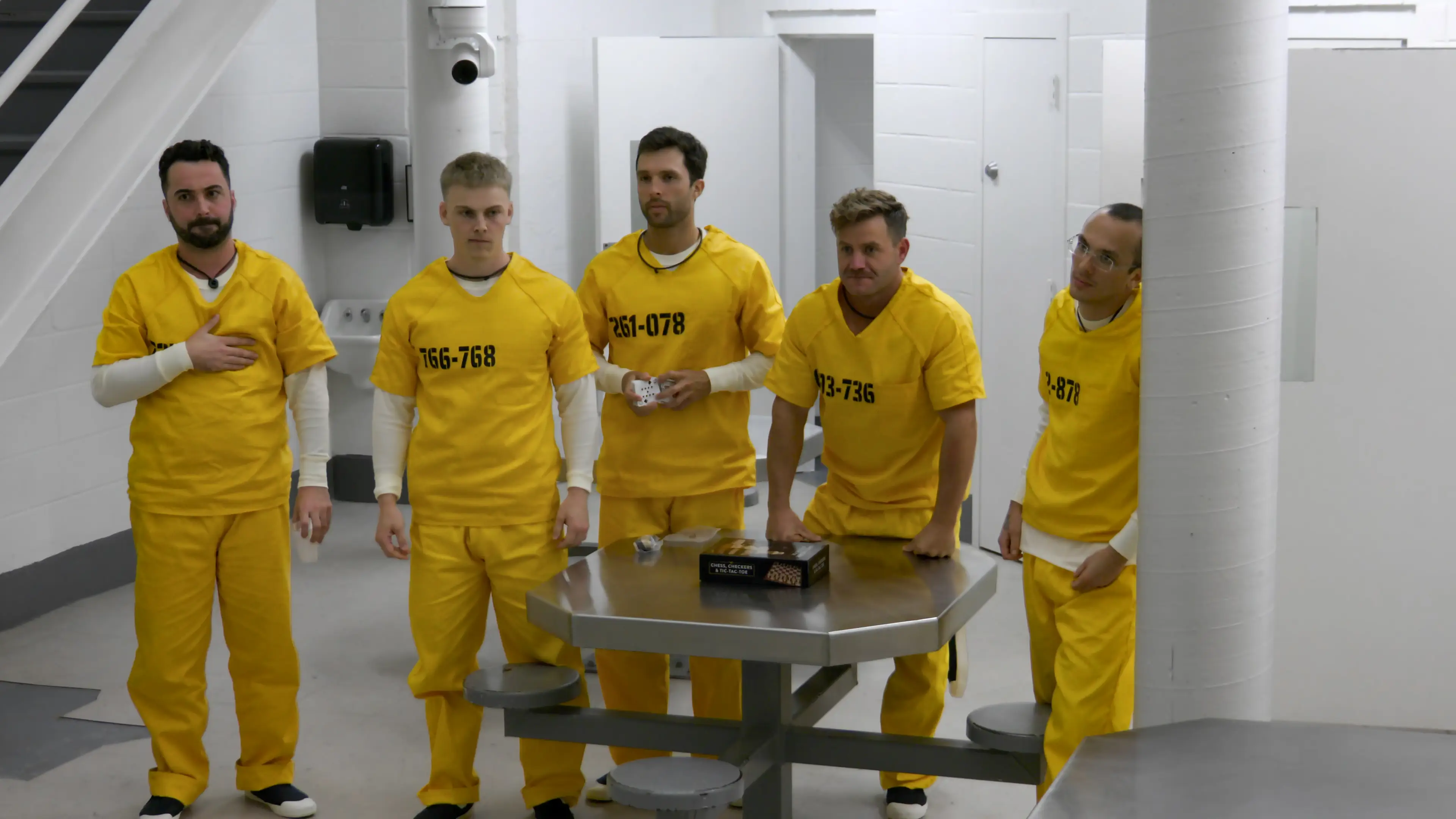
During the original experiment there was no escaping, even when prisoners were made to sleep on the cold floor on the second day after trying to stage a revolt against guards.
In Netflix’s version one word could get a contestant out of a situation that made them uncomfortable: “Pineapple.”
Lipsitz and Cutforth said of the series: “We were definitely nervous to take on something that has already failed — that is a nerve-wracking place to be — but we felt the question it was asking was very relevant and important today. Still, there were moments where we thought it would end on the same day that the original experiment did.”
Despite all the moves to change the experiment for the better however the Netflix series has been heavily criticised in reviews.
The Guardian made a serious allegation in their two star review, suggesting that ‘surely no one believes’ the experiment portrayed is real.
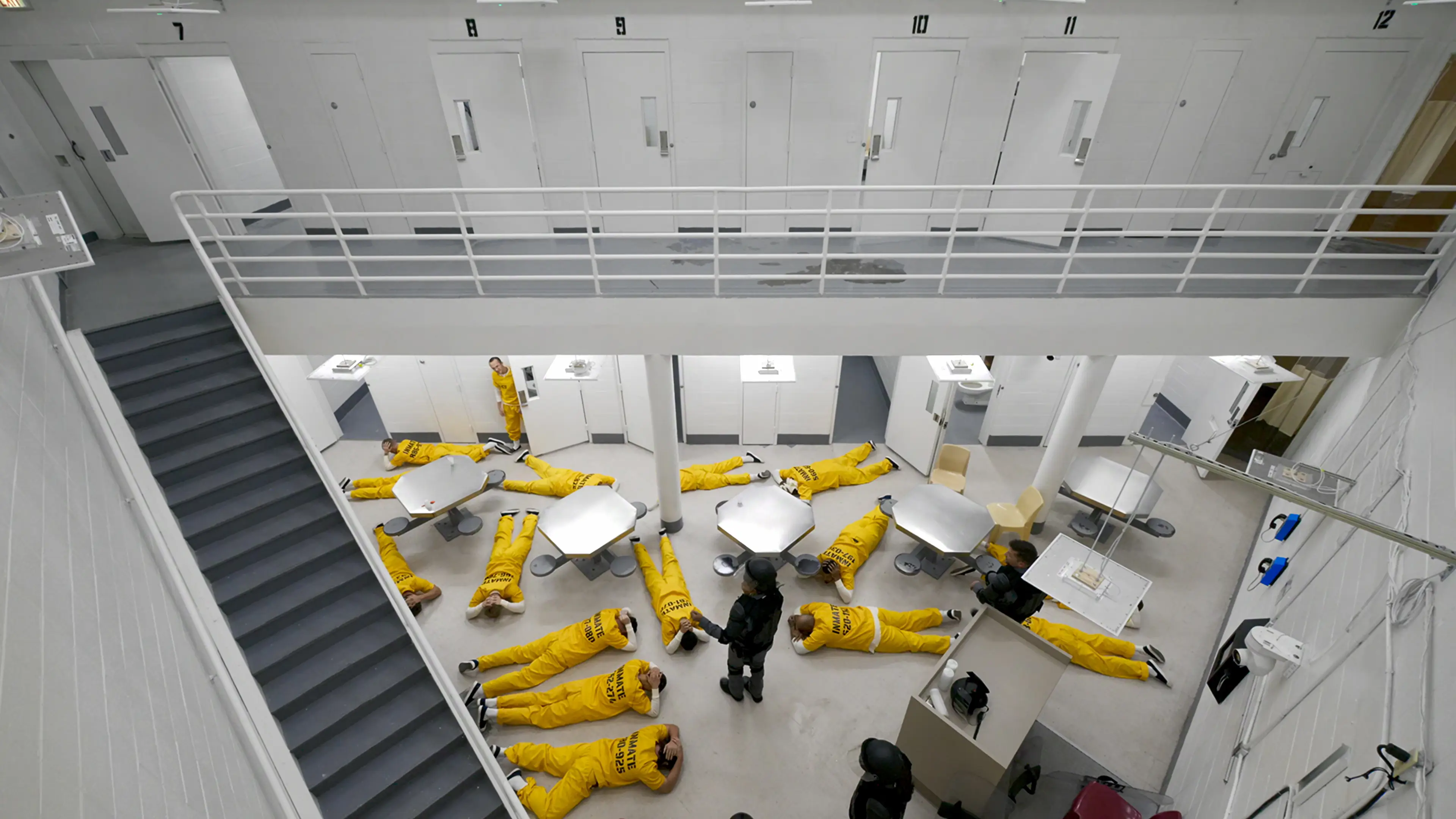
They continue: “This rehash of the notorious study in which volunteers role-play as prisoners and guards pretends to be science. It isn’t – it’s patronising reality television.
“None of it is real, and nobody thinks it is. The show doesn’t create any moments where the contestants suspend their disbelief – as in The Traitors, where the faithfuls sometimes start genuinely seeing the traitors as duplicitous villains.
“There is no game to win, no goal to work towards and, apart from the unspoken potential reward of a media career in every reality show, no prize. There’s nothing incentivising anyone to continue. More than one participant realises this and simply walks off the show.”
The New Stanford Prison Experiment is available to watch on Netflix now.
Topics: Netflix, TV and Film, TV, US News
 Michael Slavin