Gruesome simulation shows why you should never pop your blisters

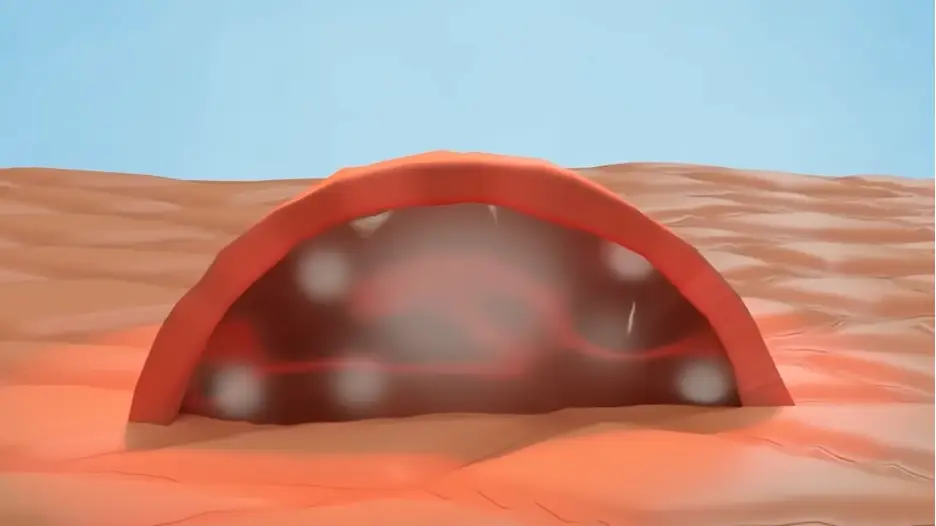
If you're someone currently considering popping a blister, you might want to take a look at this simulation first.
Although it can be extremely tempting to get rid of the small, painful lump that has appeared on your skin, it's best to leave it alone.
That's because that pesky bubble is actually protecting you - as this gruesome simulation explains.
Despite them having a bad reputation, blisters are actually doing us a favour in the health department, as they develop to protect skin that has been damaged to help it heal.
Advert
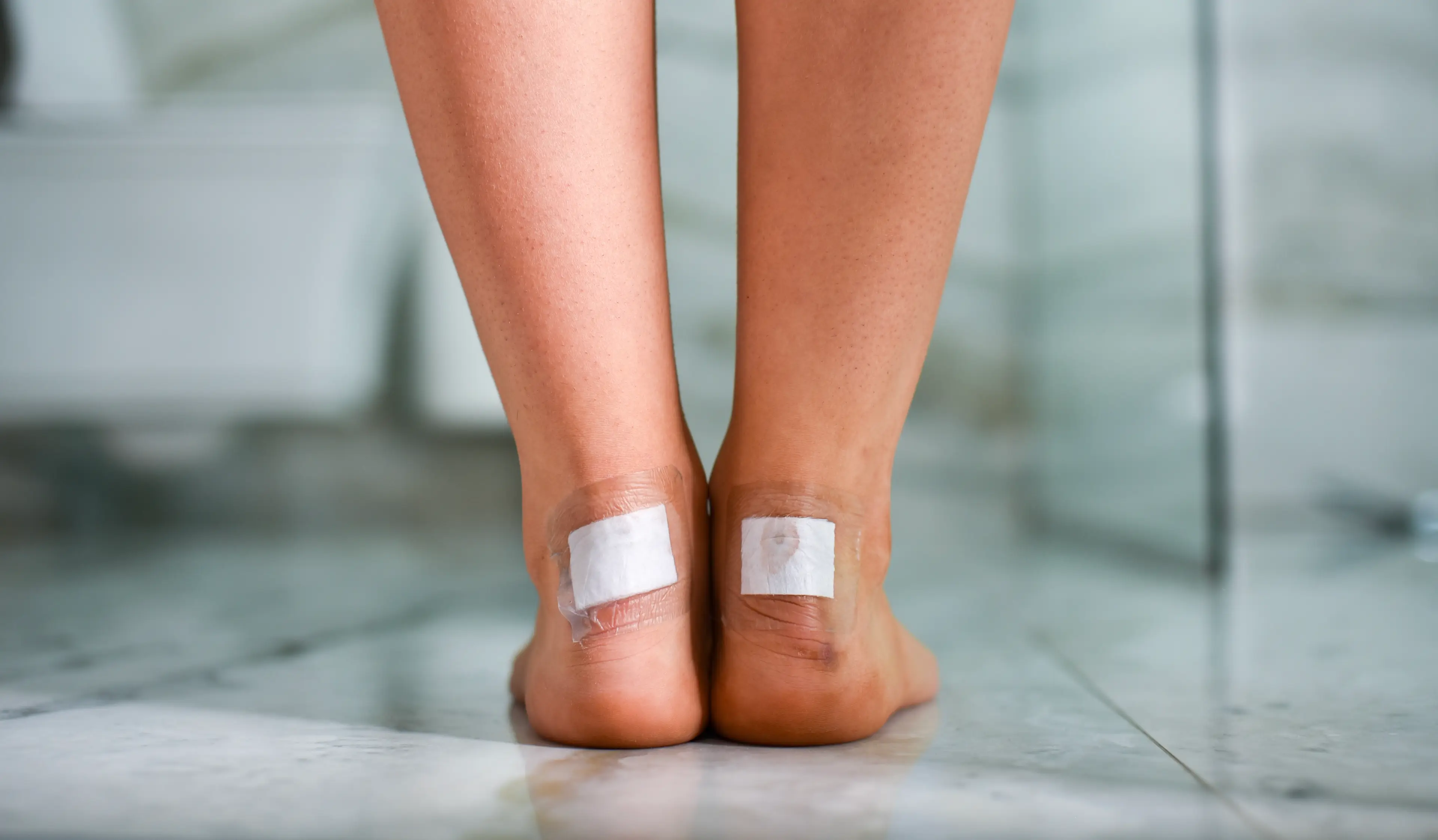
They often crop up in an area that might have been subject to irritation, as we've all experienced when wearing a pair of new shoes for the first time that need wearing in a bit.
You might have also come into contact with irritating chemicals and ended up with one, while extreme heat or cold can also bring on a blister.
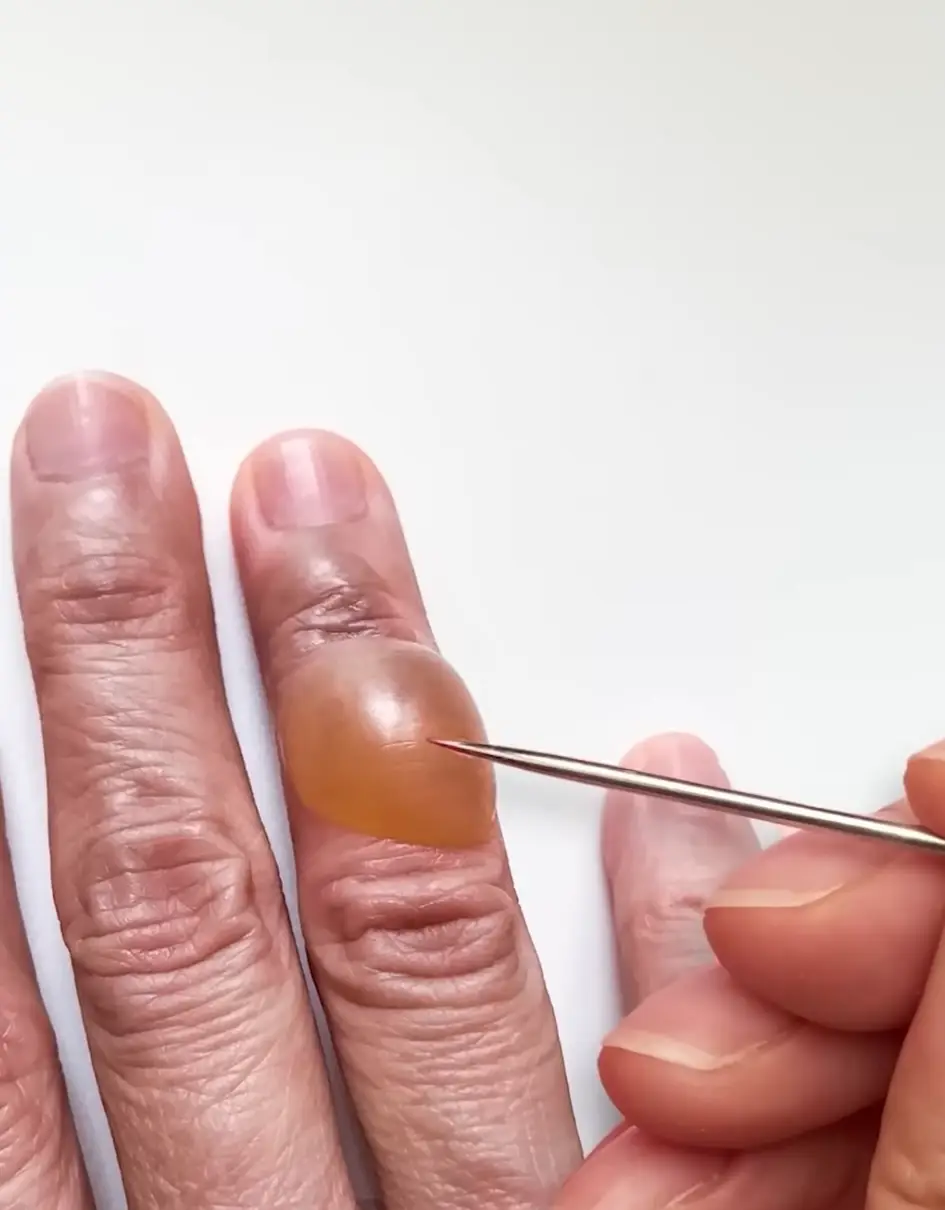
According to Harvard Health, infections, skin diseases and certain medications can also cause them. As a result, you're left dealing with an uncomfortable round or oval bubble of fluid on your skin.
Blisters can often be painful or itchy, but no matter how desperate you are to get rid of it, you're best off leaving it be.
If it's a run-of-the-mill blister, they typically go away on their own after a few days, so it's just a matter of riding it out. Tampering with it could do a lot more harm than good, as YouTuber Zack D Films explained.
He mocked up one of his famous simulations to depict how blisters protect us, and the visuals will no doubt encourage you to leave yours well alone.
In the stomach-churning clip, he explains: "If you get a blister, most people assume you are supposed to pop them. Blisters usually form on a spot of your skin that has become damaged.
"Inside the bubble, there is a small pocket of clear fluid that builds up. This fluid actually protects and heals the skin underneath, acting as a barrier to keep it clean.
"But when you pop a blister, it exposes the skin prematurely, before it has time to properly heal, which is why you shouldn't pop them."
Social media users heaped praise on the content creator for sharing what they considered to be very valuable knowledge, as a lot of people said they were unaware of this.
"He actually explains more then my science teacher," one person wrote, while a second said: "Bro is answering questions we didn’t ask but secretly wanted to know."
A third commented: "Always heard that we should never pop a blister but never knew why. Thanks you for explaining."
A fourth remarked: "I’ll go crazy if I don’t pop it!"
And a fifth said: "It’s amazing how much our bodies fight for us."
As Zack pointed out, it is best to leave blisters alone, as they 'protect the underlying skin, breaking blisters open can increase the chance of infection', according to Harvard Health.
Sharing some tips to speed up the healing process, it adds: "Protect blisters with a bandage and cover them until they heal on their own. The liquid in the blister will be re-absorbed and the skin will flatten naturally. If a blister breaks, wash the area with soap and water, then apply a bandage. If a blister is very large or painful, your doctor may drain it and apply an antibacterial cream to prevent infection."
You can also prevent blisters on your feet that are caused by skin irritation if you wear well-fitting shoes and thick socks.
 Olivia Burke