What black dots on your car windscreen are actually there for

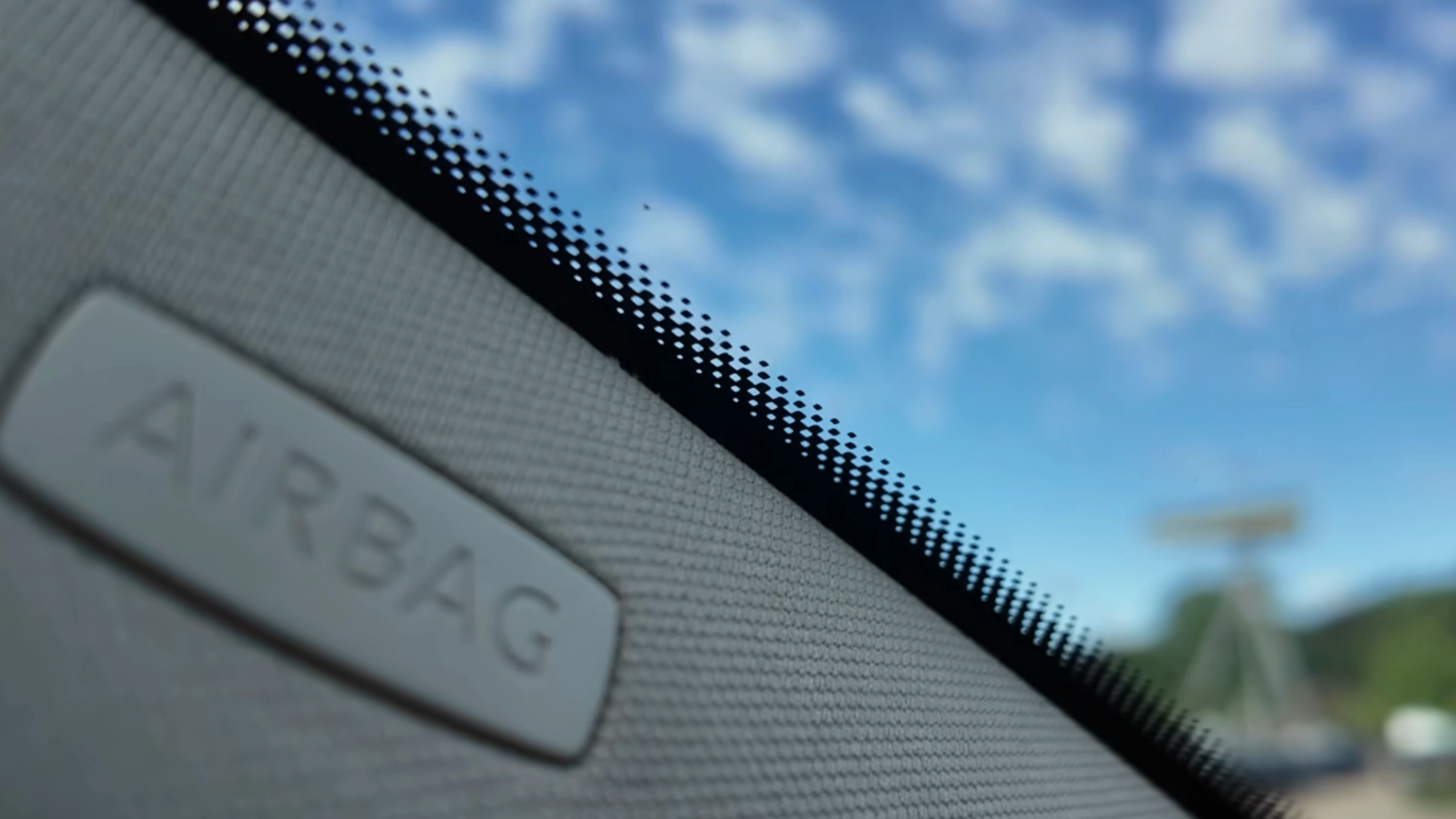
Look closely at the windows on cars, buses and trains, and you'll likely notice a bunch of black dots bordering the glass – but what's their purpose?
Upon first glance, these dots that border our windscreens appear to do little more than appear decorative, but as I'm sure anyone with knowledge of car construction will tell you, these dots are called frits, and they didn't appear on your window by chance.
So here's what they do.
What are window frits – and what do they do?
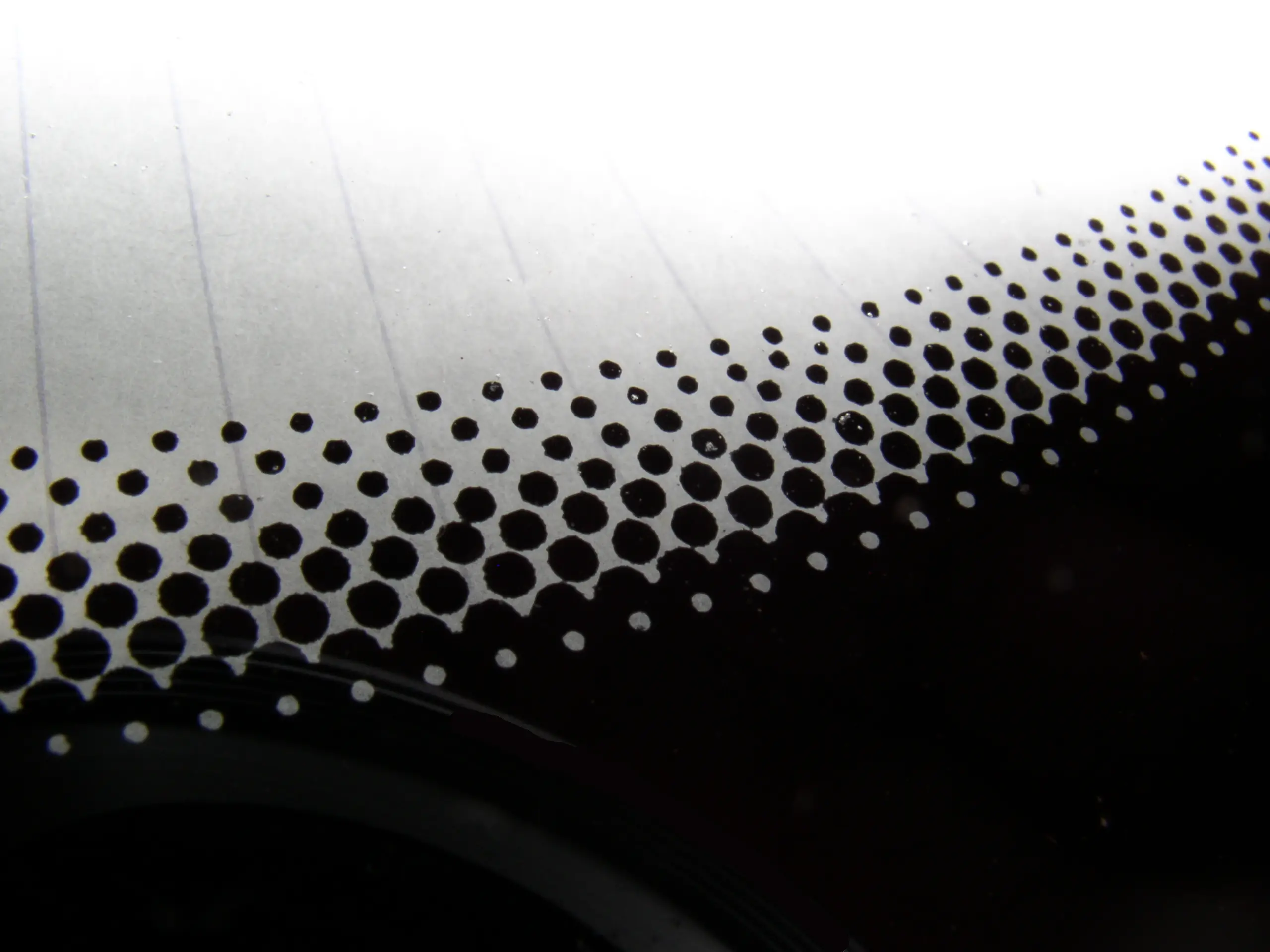
Window frits are solid black bands and dotted gradients created with ceramic and then baked onto the edges of glass windows, and can be found in cars, buses, trains as well as a number of high-rise buildings.
Advert
When it comes to the point of window fits, they actually have several functions, all of which increase safety.
Creating an adhesive bond
According to YouTuber Sblga, frits are only found on windows which are glued into frames.
"It's very important in the glueing process," he said. "When you glue the glass, it is very smooth. It doesn't have any rough things and glue doesn't stick very well to it. "So, this frit line helps the glue to stick to the glass way better than it would be naturally on its own."
The barrier also protects the adhesive from UV damage, acting as a 'contact point' which allows the glass to stick more firmly to the car frame.
"Cars are exposed to the sun a lot. And [music] if that glue wouldn't be covered by that thick black line, it would be exposed to the UVs of, and it would lose its glueing abilities very [quickly]," he added.
So you've got frits to thank for your windscreen staying and not sliding out while you're driving down the motorway.
Preventing optical illusions
As well as making sure the windscreen remains securely fitted to its frame, frits also maintain an even distribution of temperature across the glass, thus preventing optical illusions.
Now this may not sound like much, but if one part of the windscreen heats up much quicker than the rest, it can lead to the road ahead appearing curved inwards – which limits your ability to drive safely.
This also explains why the frits are painted onto the windscreen in a 'gradually sinking' pattern, decreasing in size as they move further away from the edge of the windshield, as the even distribution of heat also works to prevent cracks from forming in the glass.
Aesthetic purposes
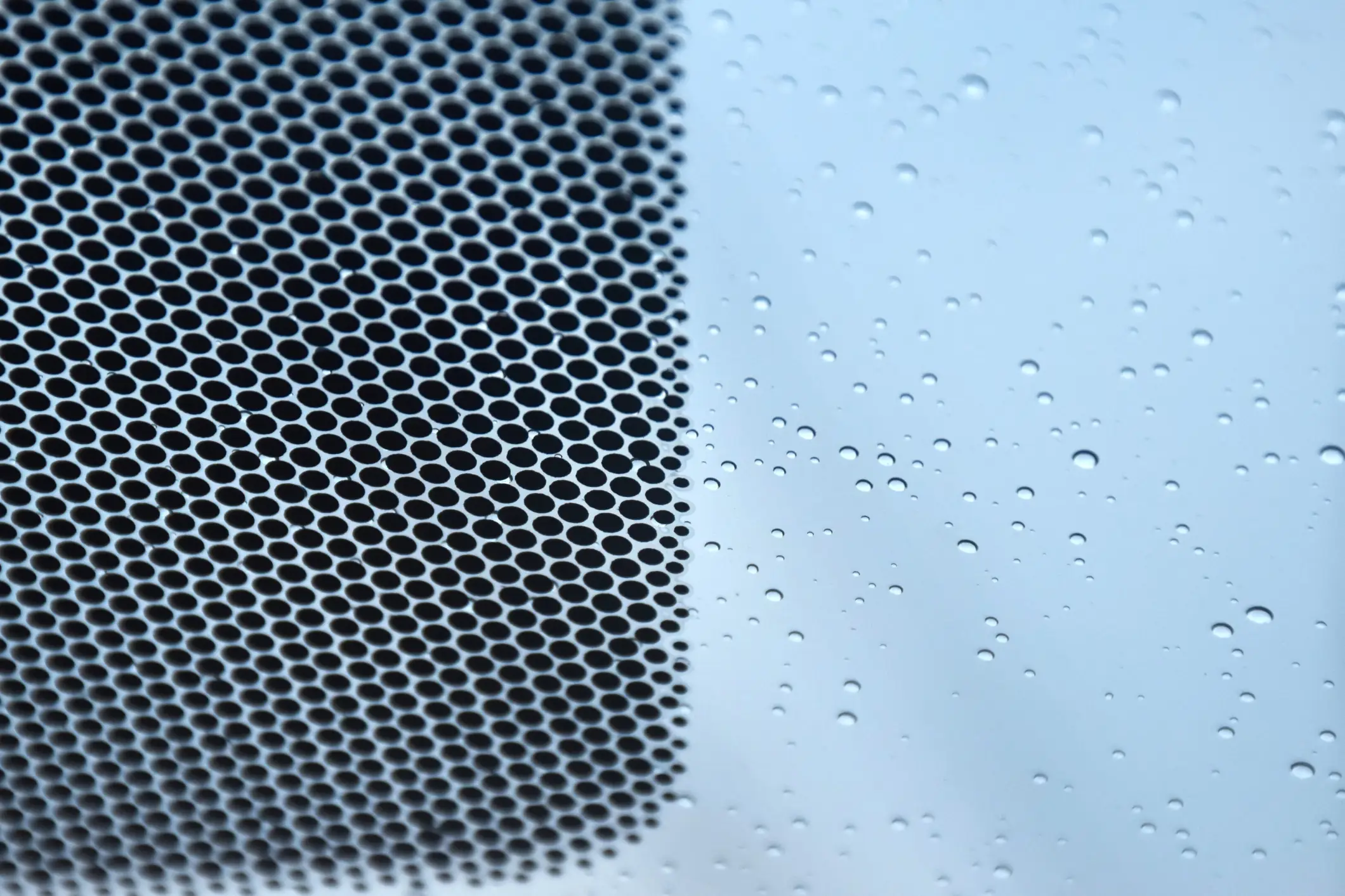
"Frits are also there for aesthetic purposes. If you look closely, the contrast between the dark band and the transparent glass can look too obvious even when viewed from afar," the explainer from Autoglaze adds.
"Creating a halftone pattern or dot-matrix allows a gradual decrease in size, making the transition much more subtle and easier on the eyes."
Which explains why most of us may have never noticed or even thought twice about window frits.
 Brenna Cooper