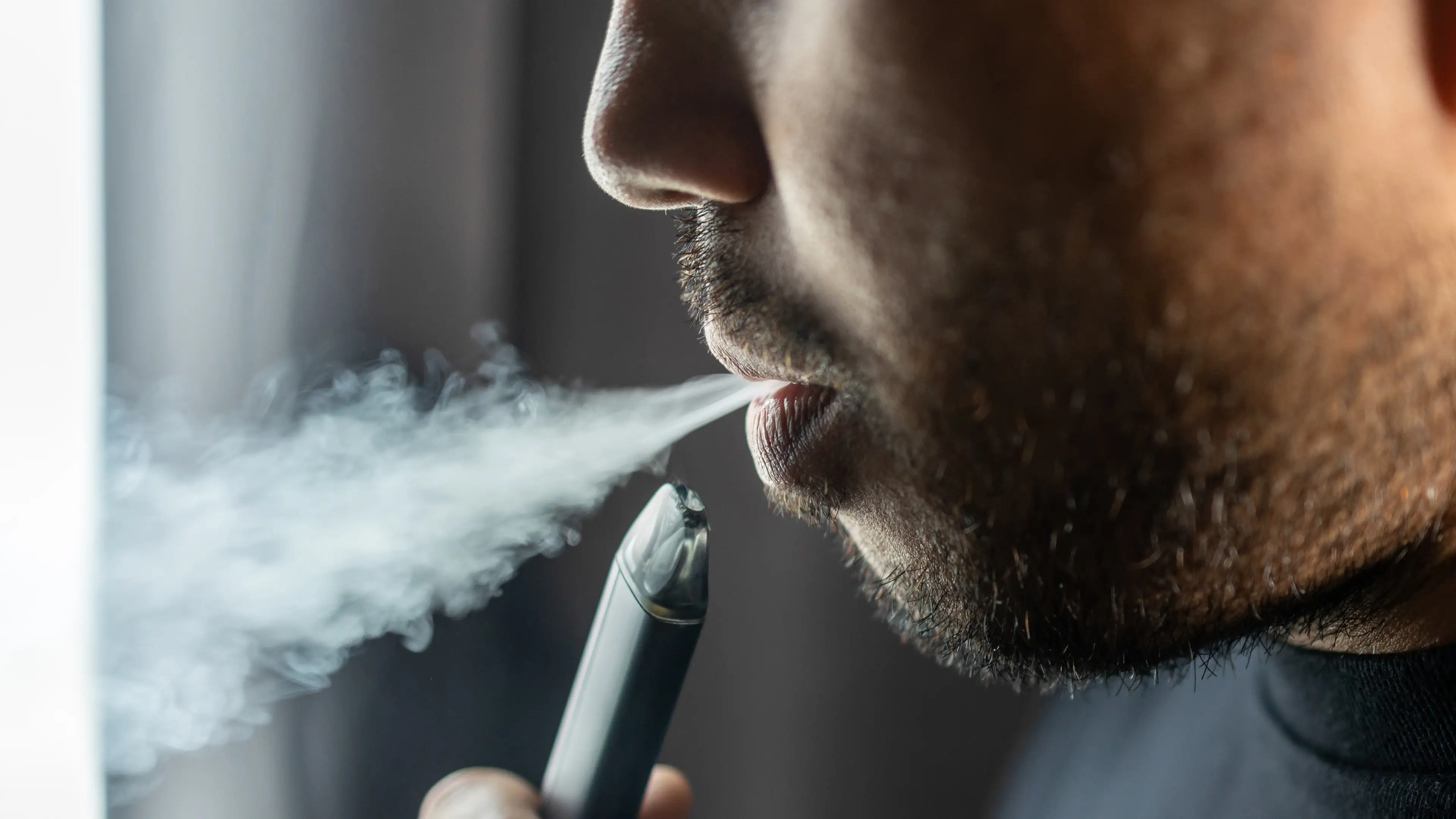
Doctor issues warning over ‘secondhand’ vape exposure around children

Vaping was once presented as a safer alternative to cigarettes but a new study has identified how e-cigarettes can be harmful for both smokers and their kids.
Although e-cigarettes can still be used by those who want to stop smoking and want to cut down, they have become prevalent in all parts of society, particularly in the UK and US.
While the government has tried to stop the sale of disposable vapes and also clamp down on shops who were selling them to under-16s, it's impossible to go out in the UK without seeing at least one teenager sucking on their vape like their life depends on it.
Numerous studies in recent years have emphasised that vaping can be just as bad for our long-term health, particularly with the regularity in which people inhale the smoke in comparison to cigarettes, and it seems as if that excessive smoke might also be doing some damage to anyone who inhales the smoke secondhand.
Advert
A new study, which analysed more than 48,000 doctor visits for kids who suffer from asthma, found that the odds of asthma attacks rose in homes where someone uses a vape.
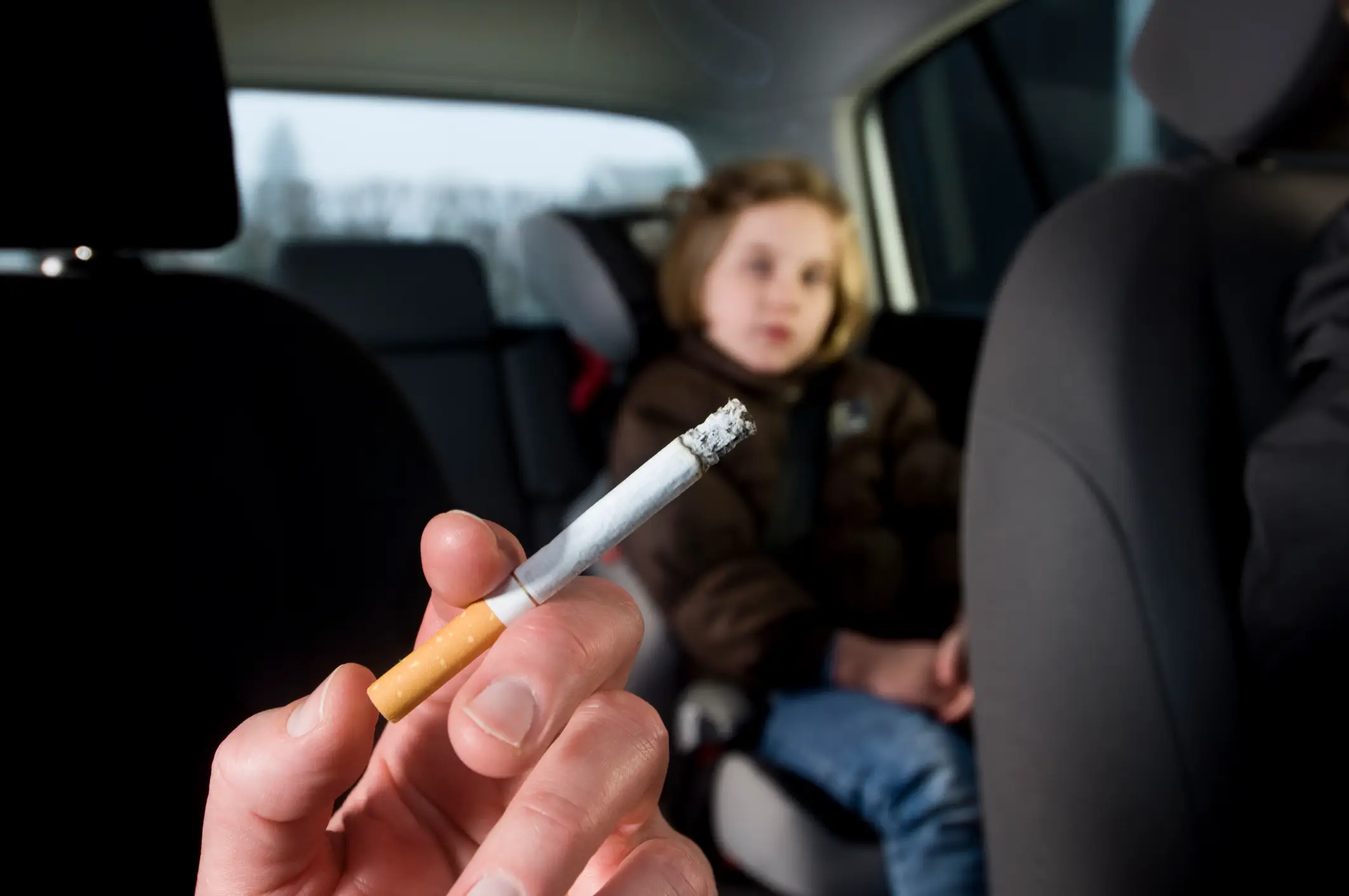
Lead author Dr Brian Jenssen, an associate professor of paediatrics and a paediatrician at Children's Hospital of Philadelphia, said: “Many parents believe e-cigarettes are a safer alternative to cigarettes, both for themselves and for their children's health. Our findings suggest that assumption doesn't fully hold up for kids with asthma."
Overall, nine per cent of visits had both tobacco and e-cigarettes in the child's home, five per cent reported use of tobacco only and three per cent reported vaping only, a figure which you feel would be significantly higher in the UK given the popularity of vaping over here.
But whether you're smoking one cigarette a day or going through a whole vape each morning, the risk is still there when it comes to second-hand smoke, with the study making it clear that it was still linked with a higher incidence of asthma flares and activity-linked symptoms in kids.
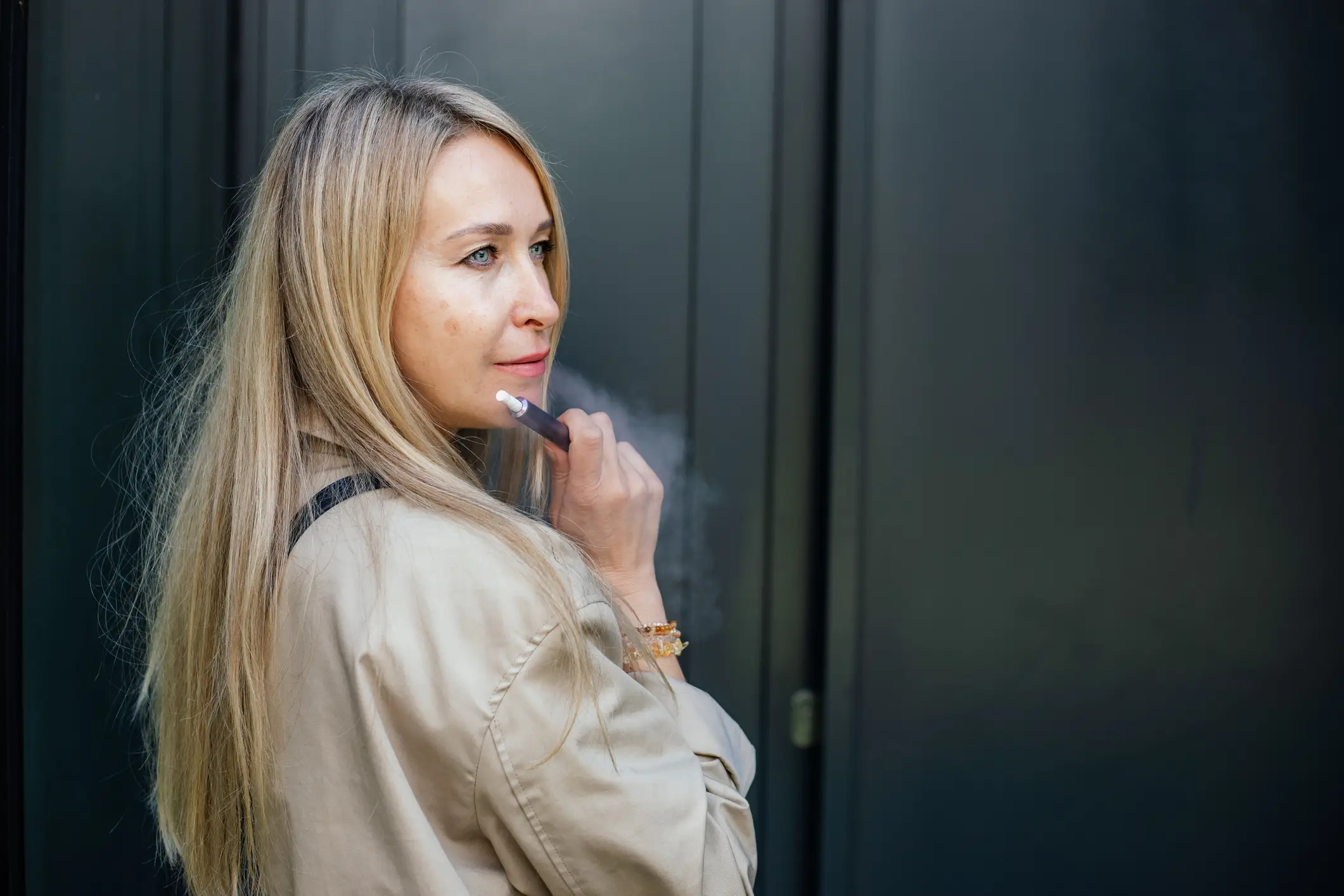
He added: “There is no safe level of tobacco or e-cigarette exposure when it comes to children. Parents and caregivers who use any tobacco or nicotine products should make every effort to quit."
Previous advice for smokers has been to switch to vaping at first but given their addictive nature, and the dangers that have been exposed in recent years, that advice might well change now.
Jenssen instead suggests that those who want to quit should consider 'evidence-based options like varenicline, nicotine replacement therapy and counselling'.
Considering the UK recently made another major change in the vaping market, it's clear that those in government aren't too keen on the popularity of vapes and its obvious impact on the nation's health.
And this study only emphasises further why anyone hoping to look after their own health, and hopefully their children's as well, should avoid smoking at all costs.
 James Moorhouse