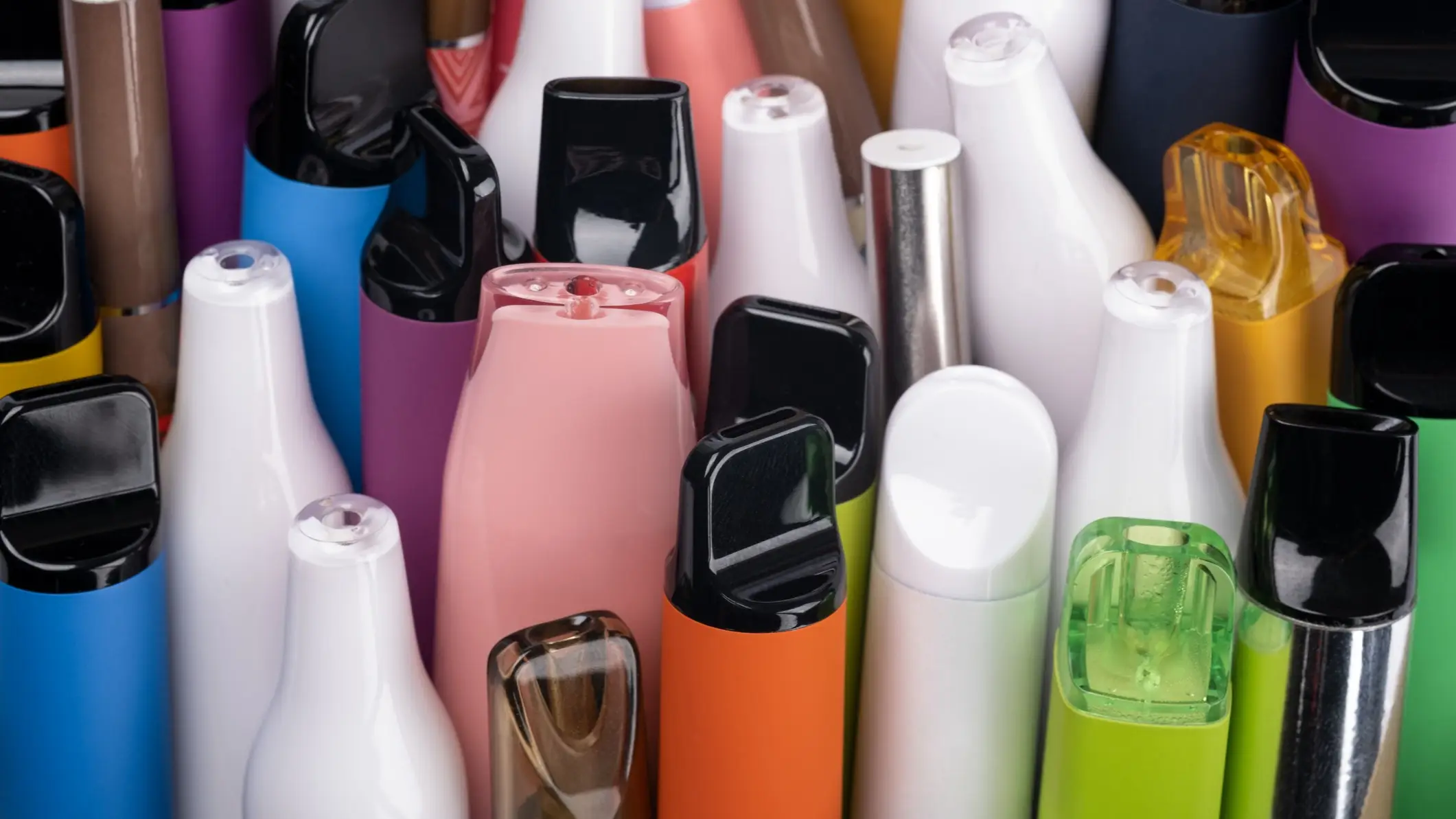
Doctor warns that vaping certain flavours could have unexpected impact on your mental health

A doctor has warned that certain flavours of vapes could be causing damage to your mental health, especially if you're still young enough to have a developing brain.
The medical evidence is already pretty clear that vaping is bad for you, though less harmful for you than smoking, and the number of people using them has risen significantly.
Last year the BMJ reported that the number of vapers had overtaken smokers for the first time in the UK as more Brits are ditching cigarettes while the rate of vapers is increasing.
Their data indicates that around 10 percent of Brits aged over 16 now vape, meaning it's about 5.4 million people, while the number of smokers has fallen to the lowest point since records began as 4.9 million people are still sticking with their cigarettes.
Advert
With an uptick in vaping there are also warnings about what some of the flavours on the market can do, as an American Heart Association study from 2023 indicated that certain flavours of vape liquid had a particularly pronounced impact on mental health.
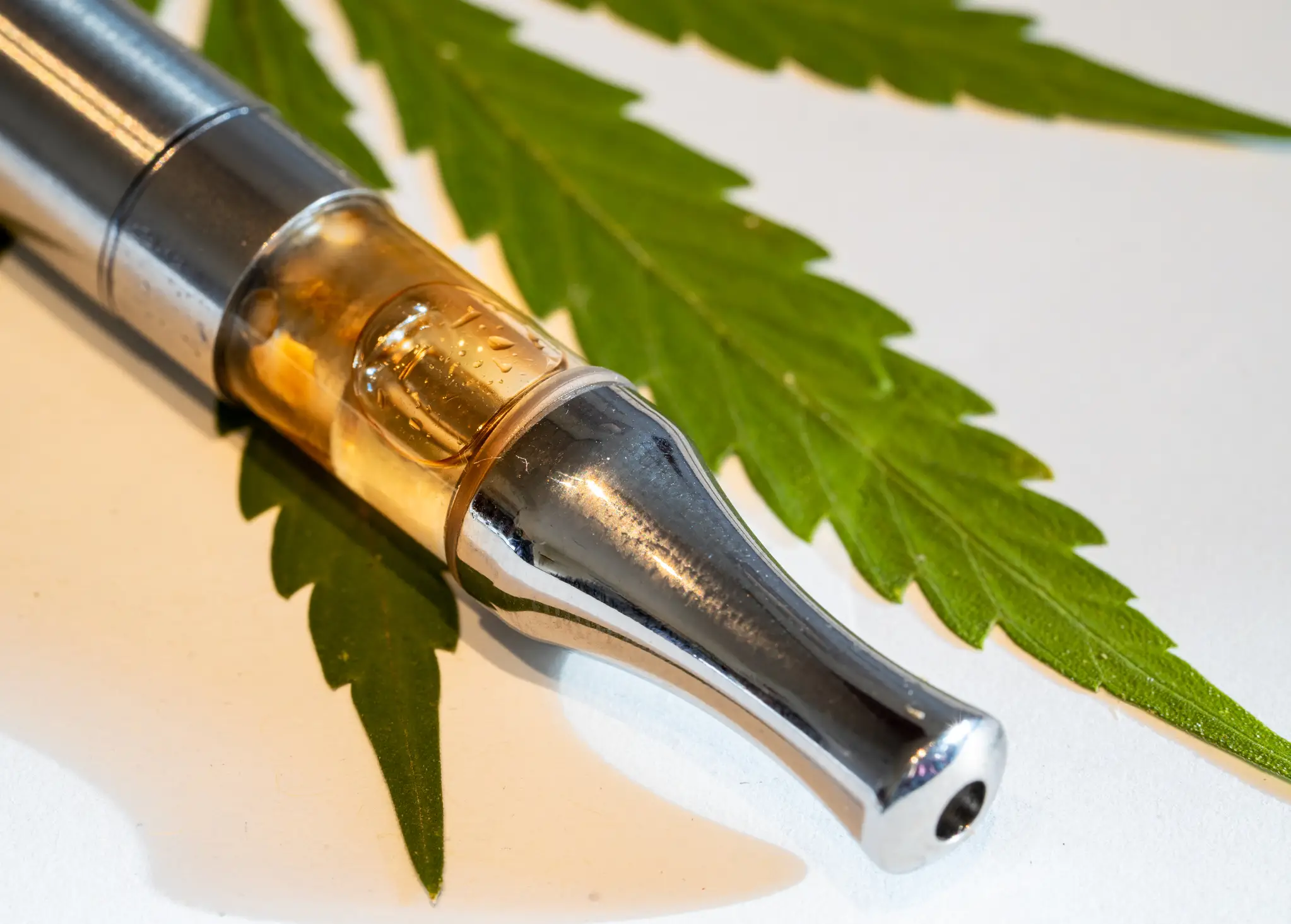
The study of 2,500 teenagers and young adults found vaping nicotine and liquid containing THC, the psychoactive component in cannabis, appeared to have an association with a rise in self-reported symptoms of depression and anxiety.
"Younger people have long been vulnerable to tobacco use, may experience greater harm from nicotine and other drugs and may be targeted by tobacco advertisers and marketers," said study author Dr Joy Hart, Professor of Communication at the University of Louisville in Kentucky.
"E-cigarette devices are still relatively new compared to other tobacco products, such as combustible cigarettes and pipes, so more research is needed to try to better understand the popularity of e-cigarettes, including reasons for vaping and the associated health risks among youth."
The study looked at 13 to 24-year-olds and found that 70 percent of those vaping flavours that contained THC and 60 percent of nicotine vapers reported they were suffering symptoms of anxiety.
That was compared to 40 percent of participants who weren't vaping who said they were feeling the symptoms.
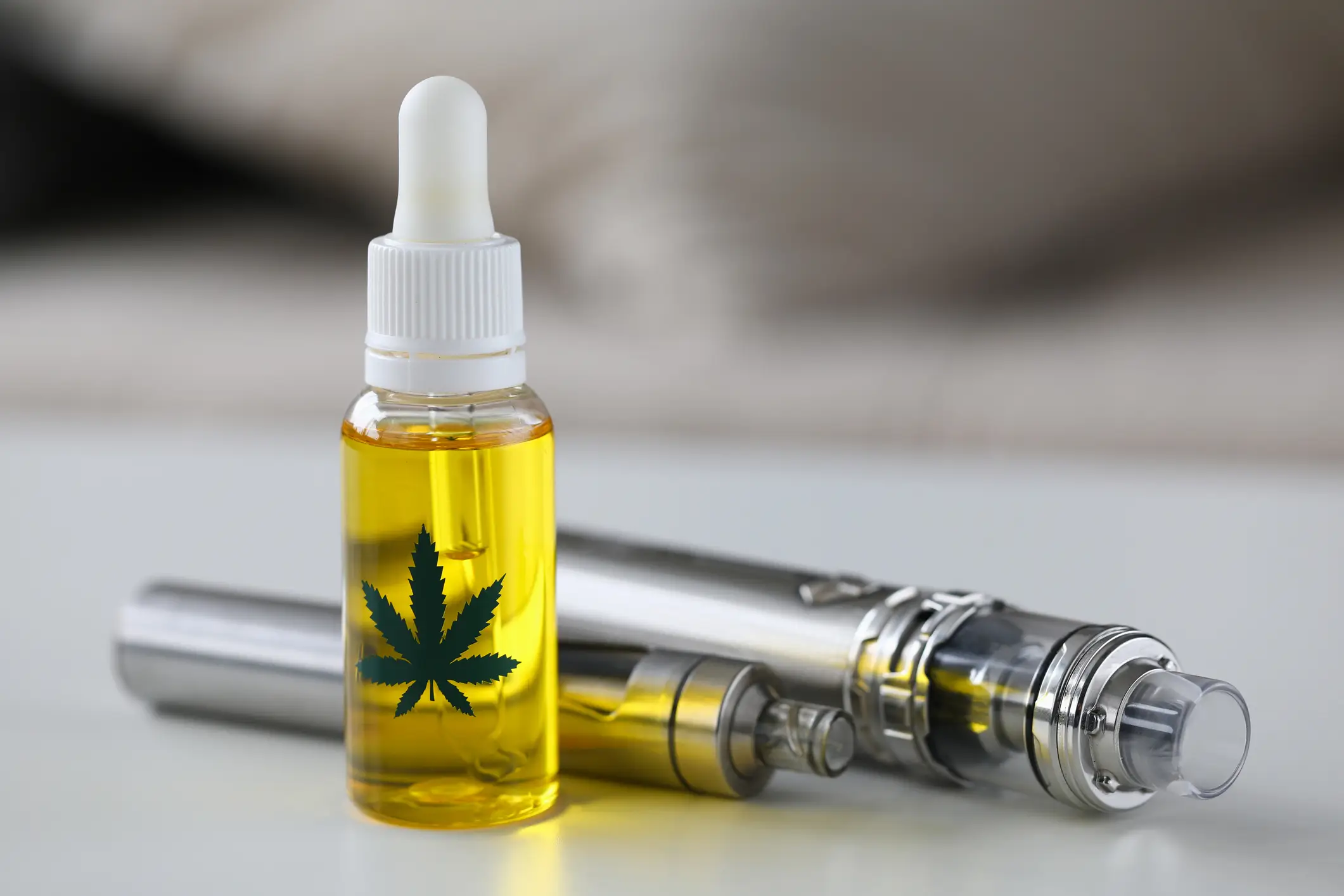
Over half of the vapers using the flavours reported symptoms of depression compared to a quarter of non-vapers, while more than half of the vapers also said they'd had suicidal thoughts compared to a third of non-vapers.
Around a quarter of the nicotine vapers said they'd started doing it in the hopes they'd become less stressed, while about half of THC vapers said they were doing it to reduce the symptoms of anxiety.
That's despite the study data warning that they were the worst affected of all the symptoms, so vapers should stay away from flavours that contain THC for sure.
Dr Hart said: "Although we knew that THC was commonly vaped, we were surprised to have so many dual vapers—more than double the nicotine-only vapers.
"Dual use may either compound the addictive nature of vaping or attract people who are more prone to addiction, as well as have an impact on symptoms of depression.
"These findings suggest the importance of addressing the use of THC and the need for building resilience and coping skills for teens and young adults."
Topics: Vaping, Mental Health
 Joe Harker