Expert explains real reasons you keep waking up at 4am

There's nothing worse than insomnia or developing an annoying sleep habit.
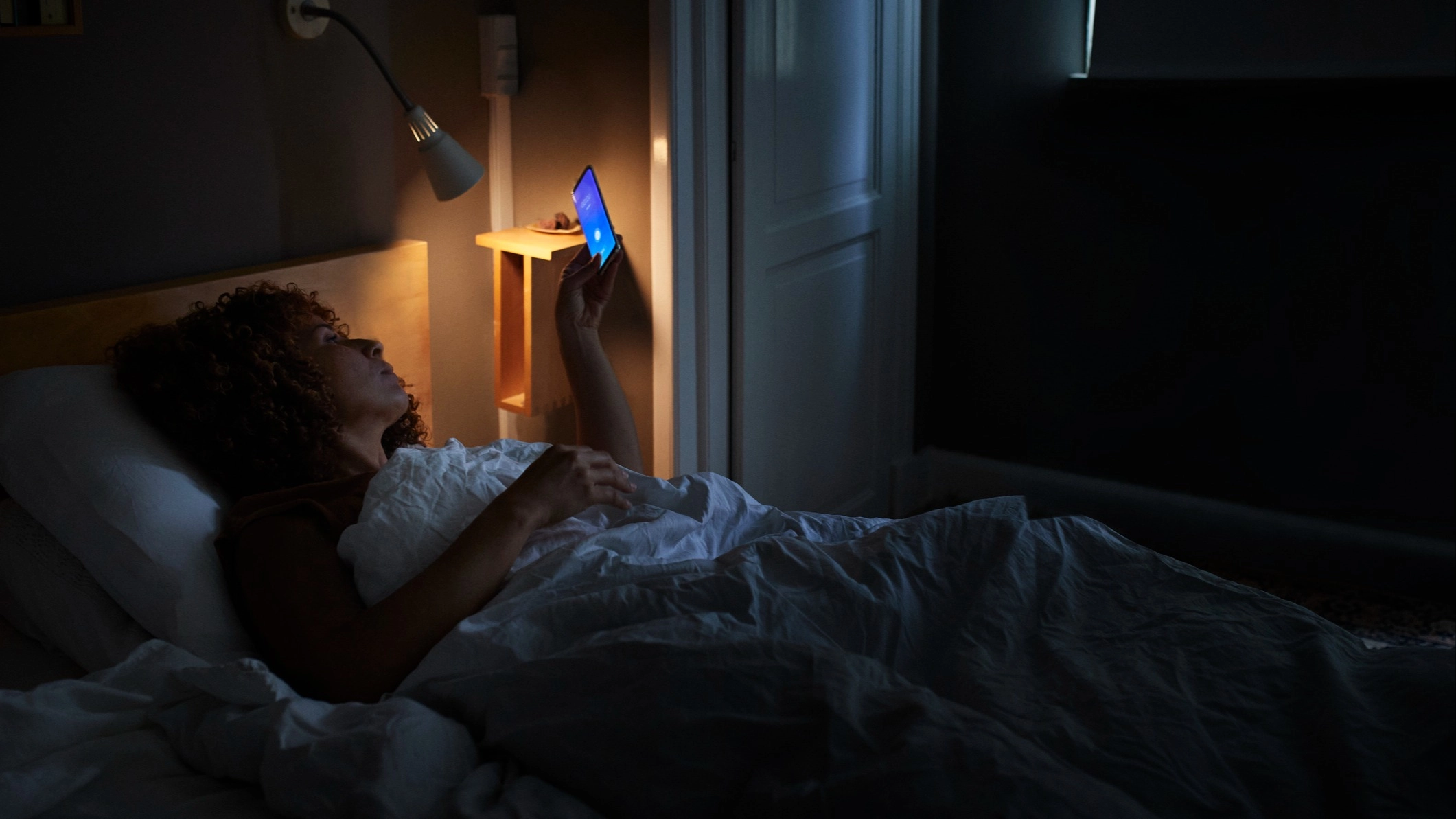
We all know the importance of a good night's sleep, but if you keep finding that you're waking up at the same time in the early hours of the day, there could be a reason.
Bupa recently carried out a study which found that millions of Brits find themselves wide awake at precisely 4.05am, fretting about their health.
Even if you've tried lavender, relaxation, a hot drink before bed and all of the bells and whistles but sleep is evading you, hope isn't lost.
Advert
Lisa Artis is the deputy CEO of The Sleep Charity, and she explained: "We start to experience less deep sleep after around four to five hours."
If you head to bed at around 11pm every night, then your phase of deep sleep is probably wearing off at around 4am, as you move into lighter sleep.
There are several factors which could be at play.

Hormones
One of the causes could be down to pesky hormones playing havoc with your zzz's.
The expert told Surrey Live: "Sleep is guided by our internal clock or circadian rhythm. One of the most significant and well-known circadian rhythms is the sleep-wake cycle."
"Sleep is regulated by the levels of two hormones: melatonin and cortisol, which follow a regular 24-hour pattern. Melatonin helps you fall asleep, while cortisol aids in waking you up and keeping you alert."
Keeping an eye on these hormone levels can be crucial.
Another expert, GP Dr Mariyam H. Malik shared some other tips to try and improve your sleep: "Engage in calming activities before bedtime, such as reading, listening to soothing music, or practising relaxation techniques, like deep breathing or meditation."
Doom-scrolling
"Blue light from electronic devices can suppress melatonin production," Malik added.
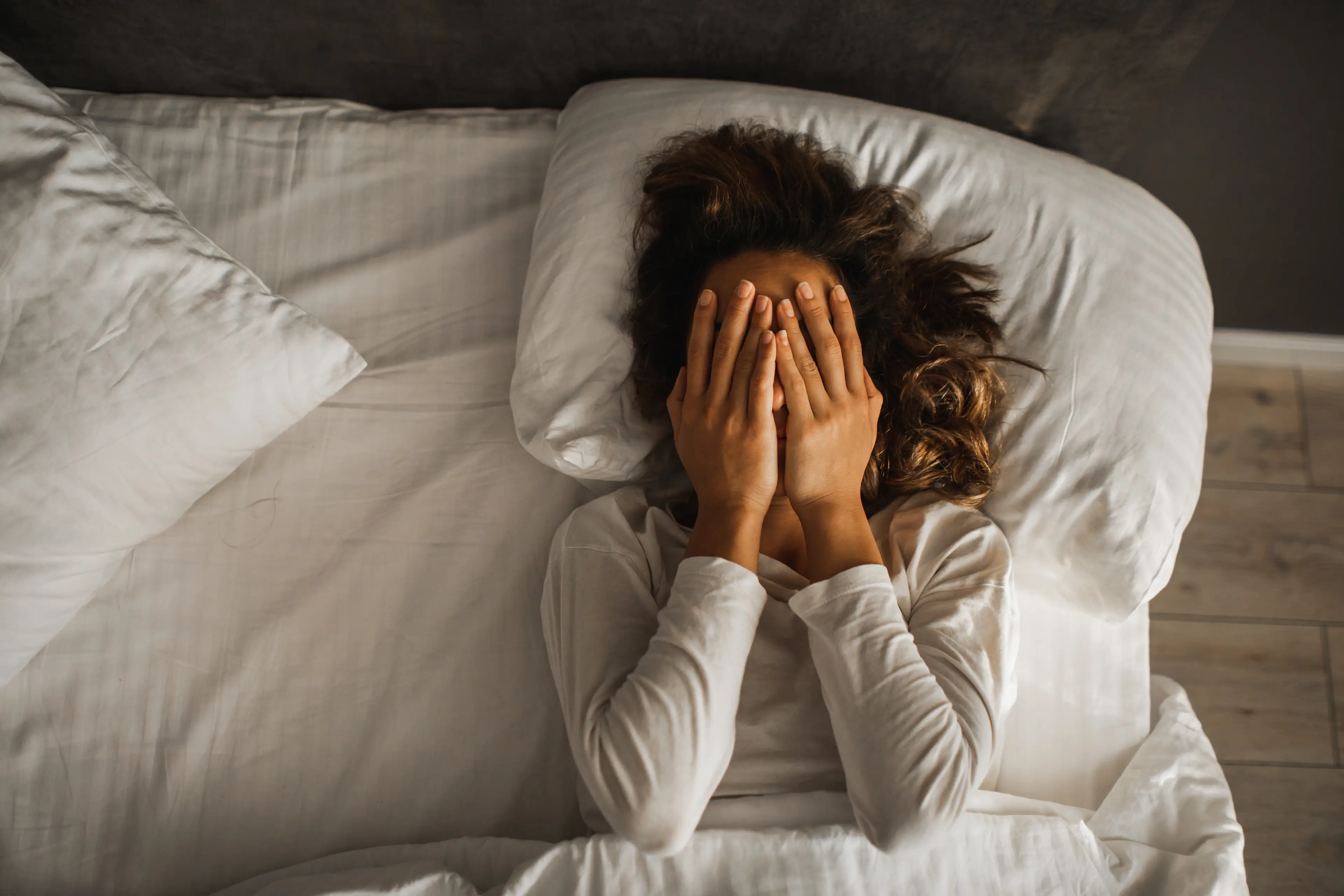
Leaving your phone to charge in another room can help hugely, as well as avoiding the blue light for two hours before sleep.
Food and drink habits
Other nocturnal nuisances are caffeine, eating a large meal before bed, giving yourself a sugar rush from sweet treats, and insufficient magnesium or B vitamins.
Too much booze can cause you to wake as the alcohol wears off. It can also make you wake up as you need to go to the toilet.
Dr Malik advises against drinking lots of liquid before bed, and trying to go to the toilet to empty your bladder before settling down for the night.
Age
It can also be a habit which develops with age, as our sleep patterns shift over time. Many older adults experience fractured sleep, or sleep disturbances.
It can be common with age to experience a drop in melatonin production, and menopause can also be blamed.
Artis said: "This issue can also plague women during perimenopause. "The reproductive hormones – oestrogen and progesterone – are intertwined with the sleep and relaxation hormones, melatonin and serotonin.
"Frequent hot flushes, night sweats, parched skin, and a dwindling libido can be telltale signs of diminishing oestrogen.
"Phytoestrogens mimic the natural oestrogens found in your body. As a result, they can latch onto your body's oestrogen receptors and produce similar effects."
Topics: Health, Sleep, Mental Health, Lifestyle
 Jen Thomas