Experts warn over side effects of commonly prescribed 'magic pill' propranolol

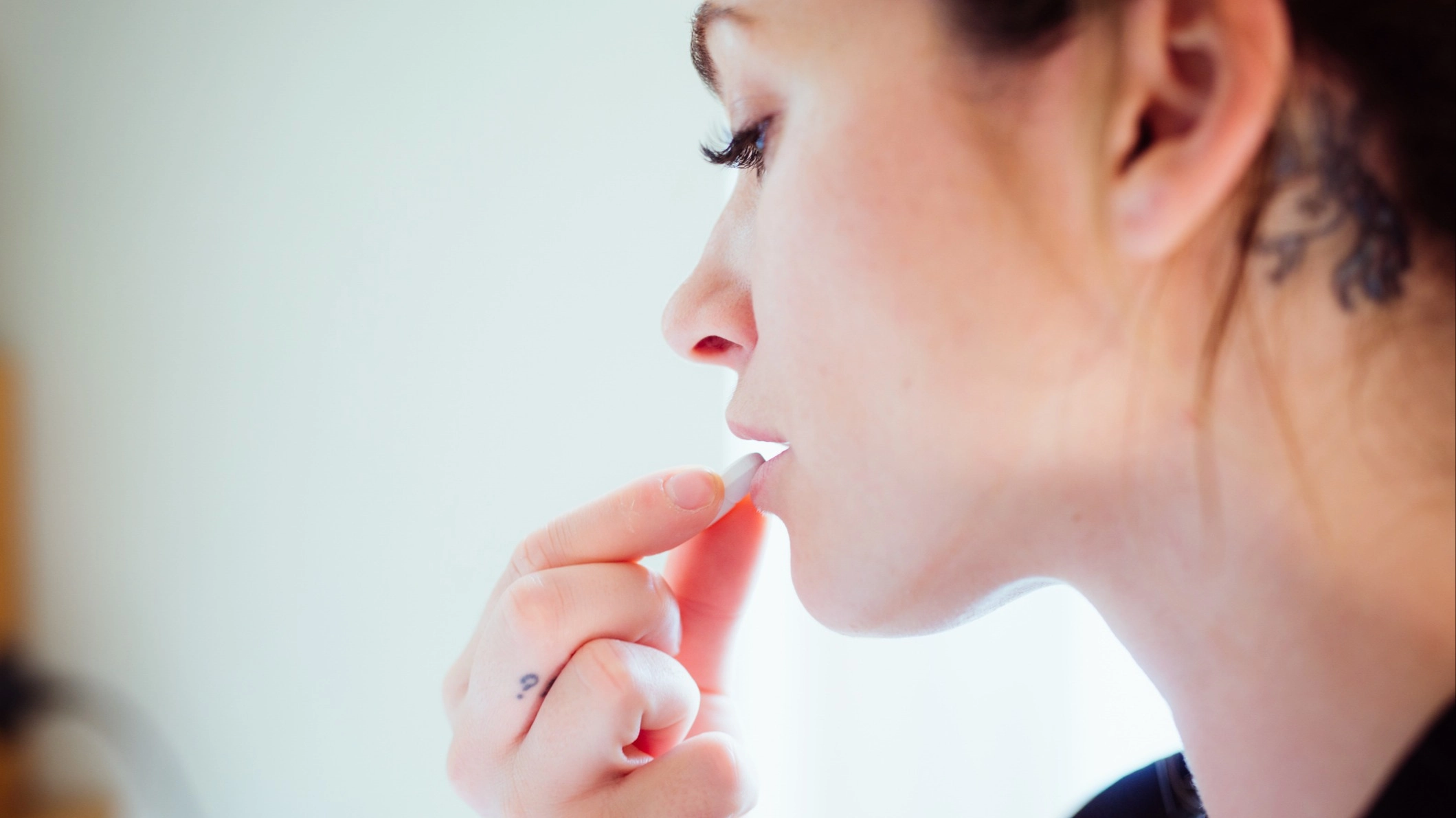
Experts have raised concerns over the prescription of propranolol, part of the group of medicines more widely known as beta blockers.
Primarily prescribed to treat heart problems, it has come to be described as some as a bit of a ‘magic pill’ in helping relieve physical symptoms of anxiety.
It’s been used for this purpose for decades, but its heightened in recent years and gone viral with celebs like Khloé Kardashian saying she uses it to deal with paps and Robert Downey Jr. taking them to help with stage fright.
But experts are warning over the serious side effects it can cause and the risk in overdose.
Advert
Pharmacy leaders wrote to the National Institute for Health and Care Excellence (NICE) in September calling for changes. Guidance from the health body does not recommend propranolol for treating anxiety disorders.

However NICE’s guidance doesn’t explicitly warn doctors against prescribing the medicine.
The letter, which is signed by the General Pharmaceutical Council (GPhC), the Patient Safety Commissioner for England, the Royal College of Pharmacy (RCPharm) and College of Mental Health Pharmacy, urged the body to ‘clearly state’ propranolol isn’t recommended for generalised anxiety and panic disorders.
The Observer obtained NHS England data through a freedom of information request which showed that prescriptions of the medicine have increased by 37.6 percent over the past decade.
With the biggest increase being in prescriptions for girls and teens between 12 and 17 years old (rising by 92.3 percent), with young women expressing their worries over becoming reliant on the so-called ‘magic pill’.
Dated 25 September, the letter from pharmacy leaders said that propranolol is being commonly described to relieve anxiety despite ‘limited evidence supporting efficacy for anxiety disorders and the potential for significant harm’.
The experts called for a review due to ‘patient safety concerns associated with propranolol, including multiple fatal overdoses’.
They also laid out that clear guidance would help to reduce harm.
The letter added: “We therefore request that CG113 [guidance] be updated to explicitly address the use of propranolol in the management of anxiety disorders.
“This should include a clear statement that propranolol is not recommended by NICE for this indication.
“We also ask that, where, in line with clinical judgement, a clinician chooses to prescribe propranolol for anxiety disorders, the guideline should provide advice on relevant safeguards and prescribing considerations, including assessment of suicide and self-harm risk, consideration of prescribing quantities where appropriate, and implementation of measures to minimise the potential for serious harm.”
The Medicines and Healthcare products Regulatory Agency (MHRA) previously confirmed it’s undertaking a review on the evidence of harm from propranolol overdoses and looking at if further action is needed.
The LADbible Group has contacted NICE for comment.
Propranolol
The medication works by slowing down your heart rate and making it easier for blood to be pumped around the body.
The NHS says: “It's usually prescribed for high blood pressure and other heart problems, but it can also help with the physical symptoms of anxiety, like sweating and shaking.”
The main side effects are feeling dizzy or tired, cold hands or feet, difficulties sleeping and nightmares. The NHS says these are usually mild and do not last long.
Other common side effects include headaches, feeling or being sick and diarrhoea.
Always speak to a health care professional for medical advice.
Topics: Mental Health, NHS, Health
 Jess Battison