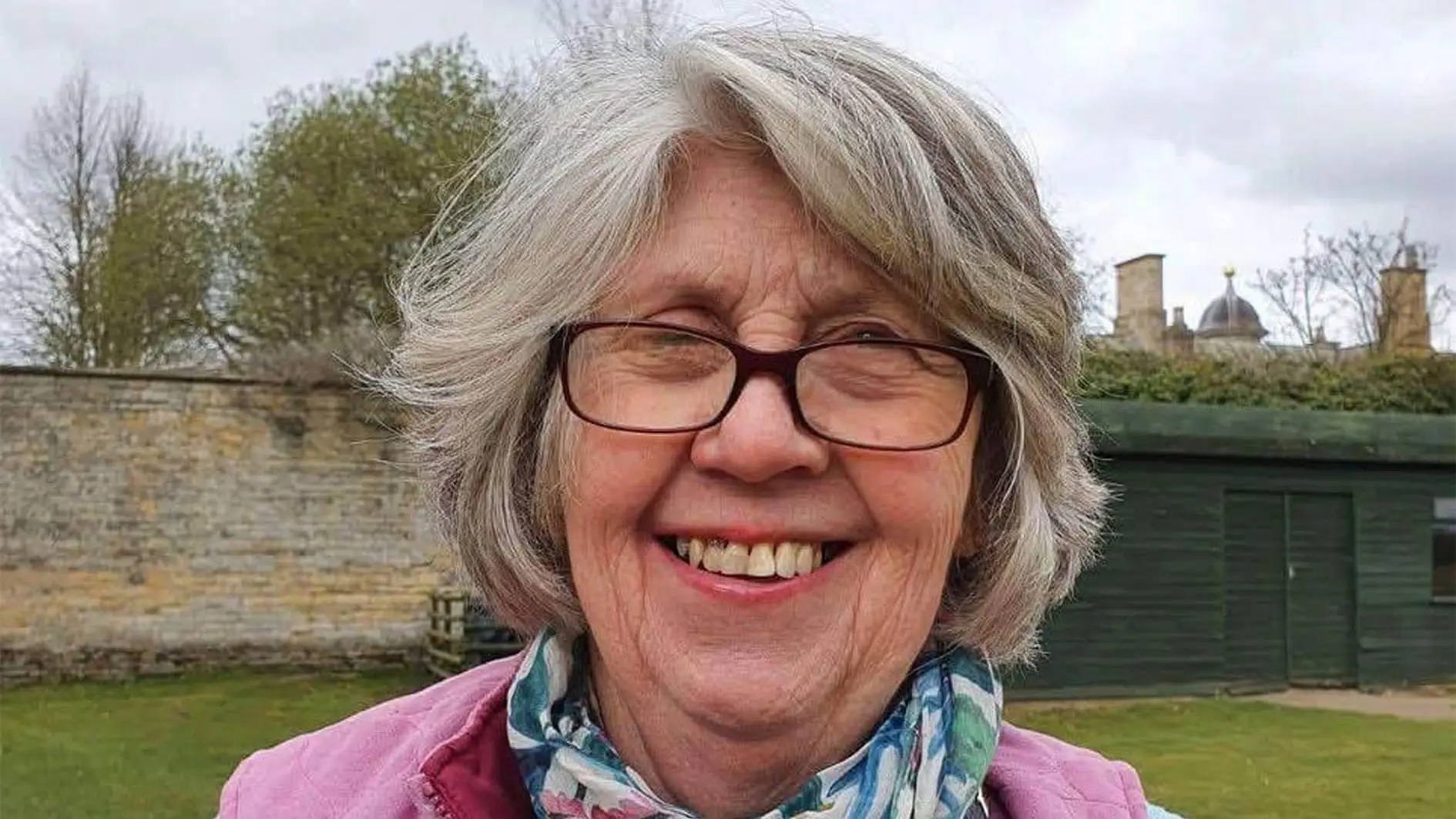
Grandmother died after increasing Mounjaro weight loss jab dose

A 73-year-old grandmother suffered pain and died after increasing her dose of Mounjaro, an inquest has heard.
Caroline Savage died on October 19, 2024, when she collapsed at home in the early hours of the morning, having been dispatched from hospital earlier in the day.
An inquest hearing at Norwich Coroner Court heard that the grandmother died of faecal peritonitis, which occurs when faecal matter leaks into the abdominal cavity, after a perforation of part of her intestines.
Ms Savage, from Wortwell, Norfolk, had been privately prescribed the weight loss jab Mounjaro and had been taking it for four months to help her lose weight and deal with lopoedema symptoms.
Advert
She had dropped from 20 stone to 18 stone in that time period, and was advised to complete her round of 7.5mg doses, with two remaining, before increasing to 10mg.
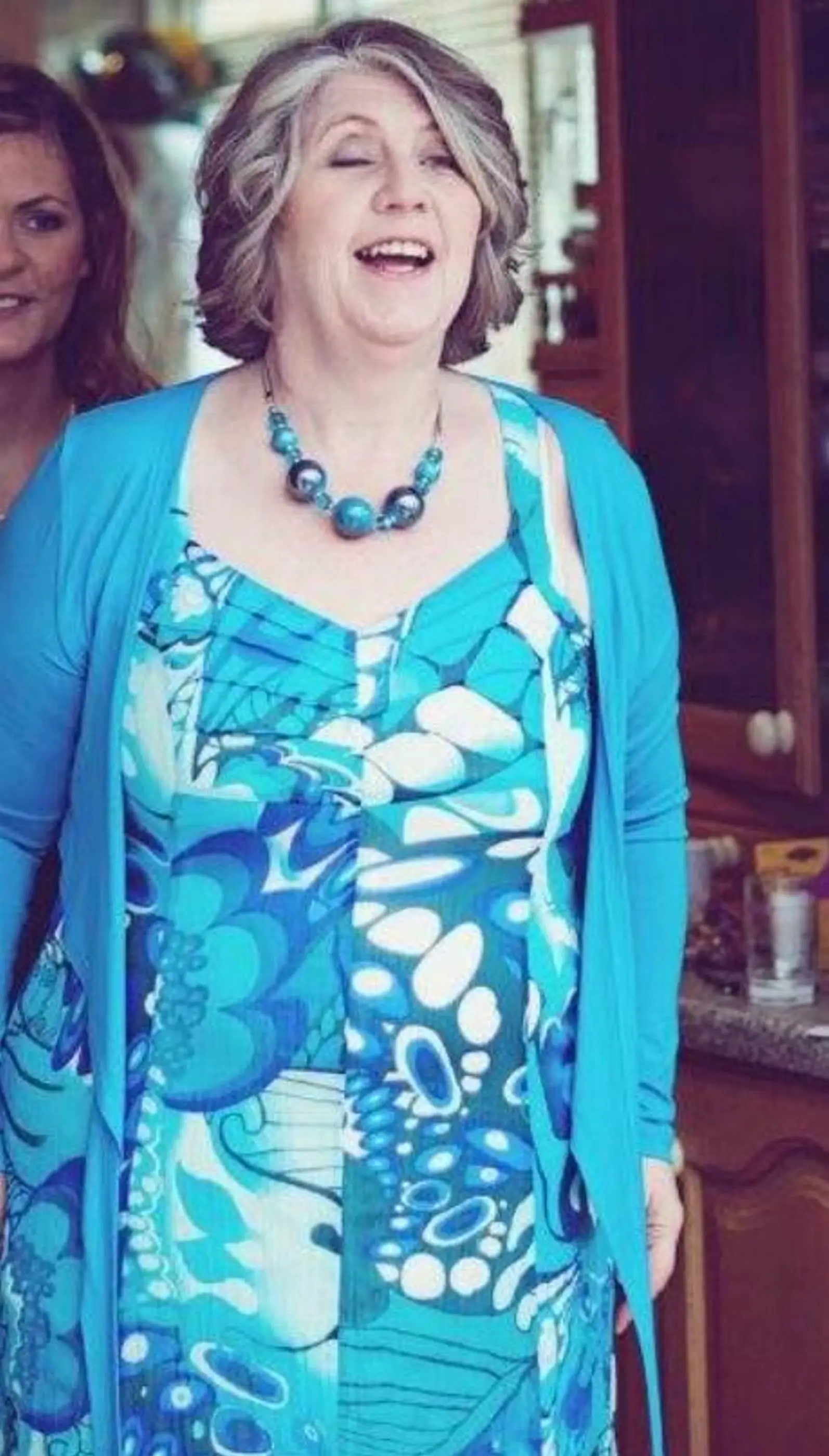
However, on October 18, Ms Savage complained about serious pain in her stomach and an ambulance was called at 1:30pm which took her to Norfolk and Norwich Hospital.
After undergoing blood tests and ultrasound scans, Ms Savage was deemed comfortable enough to be discharged with pain relief at 6:30pm.
Just after midnight, her husband Jeremy heard a thud and found Ms Savage on the floor. He called an ambulance and attempted CPR, but she died.
Links to Mounjaro explored in the inquest
Mounjaro's gastrointestinal side effects were suggested as a 'reasonable working diagnosis' when Ms Savage first went to hospital, but her family has suggested doctors who treated her may have been too quick to link her use of the drug to her symptoms.
There is no established evidence that says Mounjaro can cause faecal peritonitis.
Ms Savage's blood tests ruled out pancreatitis, an illness associated with weight-loss medication, and further assessment from doctors concluded she did not need a CT scan.
The inquest heard that if someone who already unknowingly has a diverticular disease, impacting the intestines, and takes Mounjaro, it could increase the pressure on the intestines and increase the risk of perforation.
However, barrister Jasmine Leng, representing Ms Savage's family, argued she was discharged without a thorough diagnosis and questioned why she wasn't sent for a CT scan or surgical review before she was allowed to leave the hospital.
Consultant Dr Hussain Hommad said perforation of the intestines is difficult to predict and that the health care providers acted within the normal limits with the information they had available.
Barrister Leng submitted that Article 2 of the European Convention on Human Rights – the right to life – should come into play because of possible systemic failures in communication, documentation and clinical decision-making at the hospital.
Solicitor Alison Brockhurst, representing the Norfolk and Norwich University Hospitals NHS Foundation Trust, said the record keeping 'wasn't as good as it could have been' but said Ms Savage's death was from natural causes and the threshold for engaging Article 2 had not been met.
She added evidence showed that the appropriate care pathways had been followed by clinicians.
The coroner adjourned her decision on whether Article 2 should apply as she needed time to consider the submission.
LADbible Group has approached Eli Lilly, the manufacturers of Mounjaro, for comment.
 Daniel Murphy