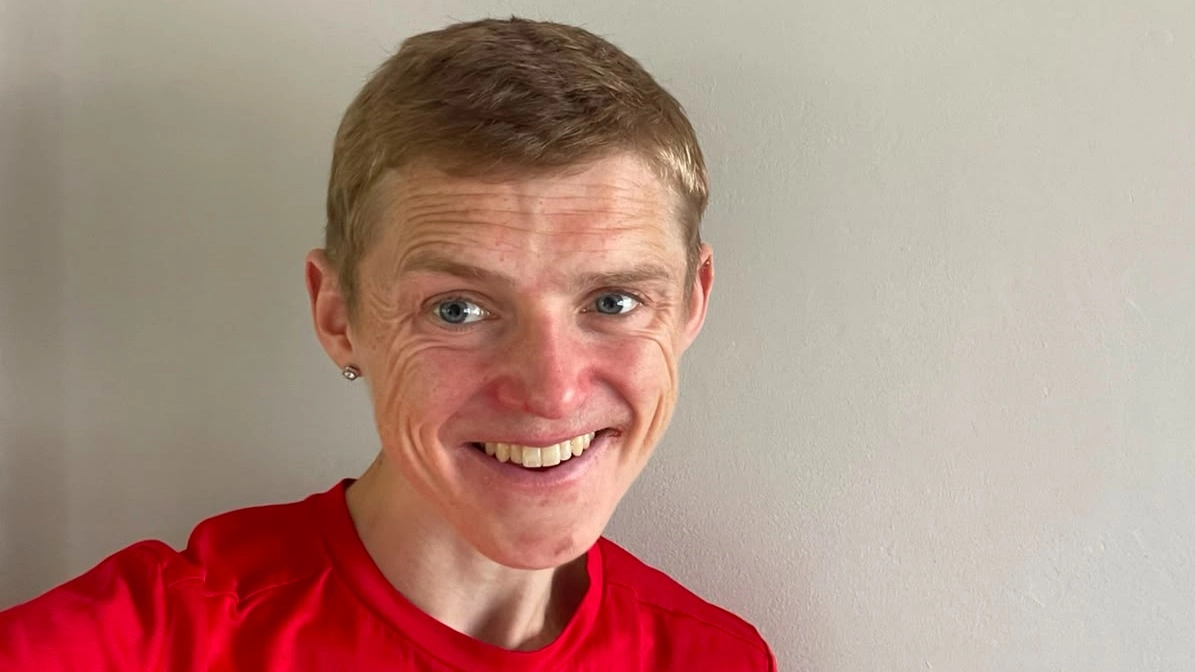
‘You never really recover’ - Man shares transformation after anorexia nearly killed him

Warning: This article contains discussion of eating disorders and images some readers may find distressing.
When Jordan Caldwell was dropped from a football team aged just 12, it would be the start of a 17-year battle with anorexia that nearly claimed his life.
At his lowest, he dropped to just under five stone and his body started shutting down.
He spent years in specialist units and briefly began to recover aged 16 before then relapsing and reaching his ‘lowest’ point.
Advert
Now 29, the aspiring bodybuilder is turning his life around and, for the first time, can look to the future with hope.

"Food was one thing I had control over"
Speaking to LADbible, Jordan, from Newtonabbey in Northern Ireland, recalls how losing his spot on a well-regarded football team, followed by the suicide of his uncles, the death of his grandad, and failing his 11-plus exams were the start of his eating issues.
“My dad got the phone call to tell him they [coaches] wanted me to go away and develop for a year or so to get more experience,” Jordan tells us.

“When I heard that, which I can see now I am recovering, all I heard was that it was because I was fat and unfit. That’s why I wasn’t good enough.
“That was the start of it, but within the space of 18 months, my two uncles had killed themselves and my grandad died of cancer. The final straw was me failing my 11-plus.
“I had always been first at everything and determined. So for me, I was a failure. I couldn’t control it. Looking back, I realised that’s why I started to control my food because it was something I did have control over.
“For me, if something didn’t go well, and that had never happened before, everything came tumbling down. It became apparent that I wasn’t eating things, I was coming home with lunches, and I wasn't eating dinners.”
His weight quickly plummeted, with alarms raised by his auntie, who is a trained nurse.
Jordan was taken to hospital
He was referred by doctors to CAMHS - Child and Adolescent Mental Health Services - and by his second visit was hospitalised. It was then that Jordan was told he was suffering from anorexia.
His weight rapidly dropped further, and he became obsessed with exercising despite the pressure it was putting his body under.
According to the NHS, Anorexia nervosa is an eating disorder and serious mental health condition, which causes people to try and keep their weight as low as possible through a variety of methods, such as restricting their diet.
Those with the condition often have a distorted image of their bodies, thinking they're fat even when they're underweight.
Men and women of any age can get anorexia, but it's most common in young women and typically starts in the mid-teens.
A UK estimate, according to Beat, states that around a quarter of people with eating disorders - including anorexia - are male.
“I dropped three kilos in the space of a week and my heart rate had dived completely,” Jordan explains.
“I was admitted to a normal hospital ward and spent two months there. I was out for a couple of weeks before I was then admitted to a child’s psychiatric unit in Belfast, where I spent over a year.
“Whenever I came out, I didn’t eat at all. I didn’t even brush my teeth because I thought there were calories in toothpaste.
“I pretty much exercised constantly, but my family would try to stop me running in the garden because I was about to collapse. But nobody could stop me. My heart was under a lot of pressure.”
Between the ages of 16 and 18 Jordan was able to partially recover, gaining weight and slowly building muscle, before he relapsed and reached his lowest point.
It saw him transferred to a specialist unit in London, where he was kept under section and tube fed.
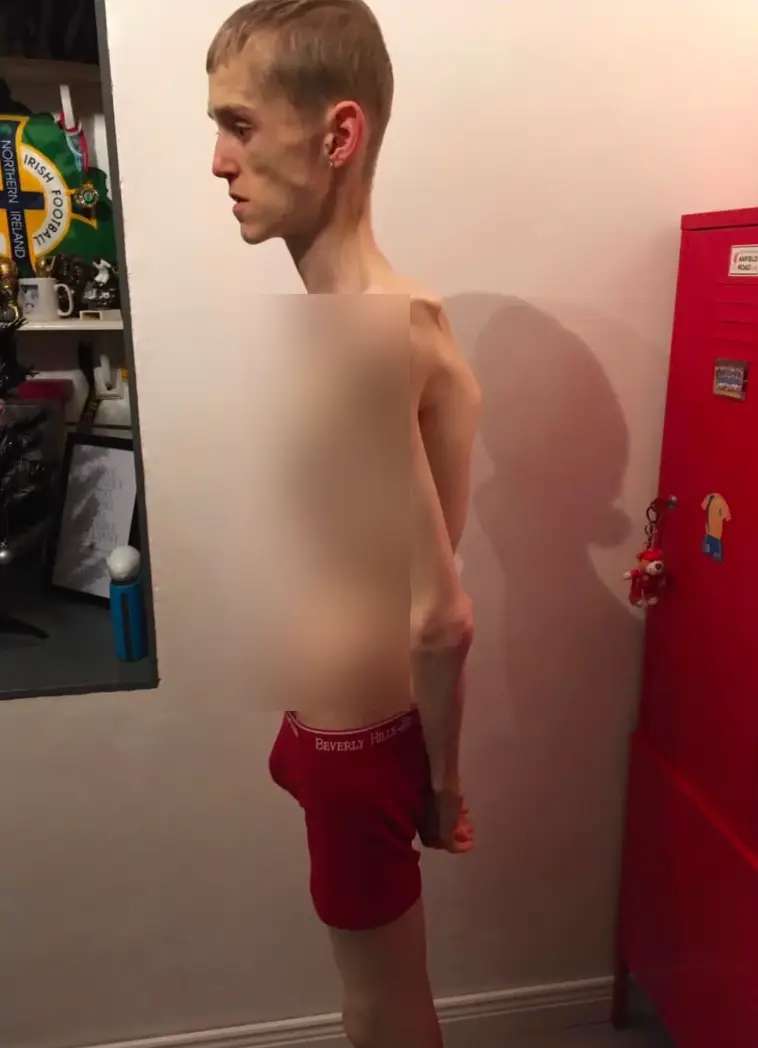
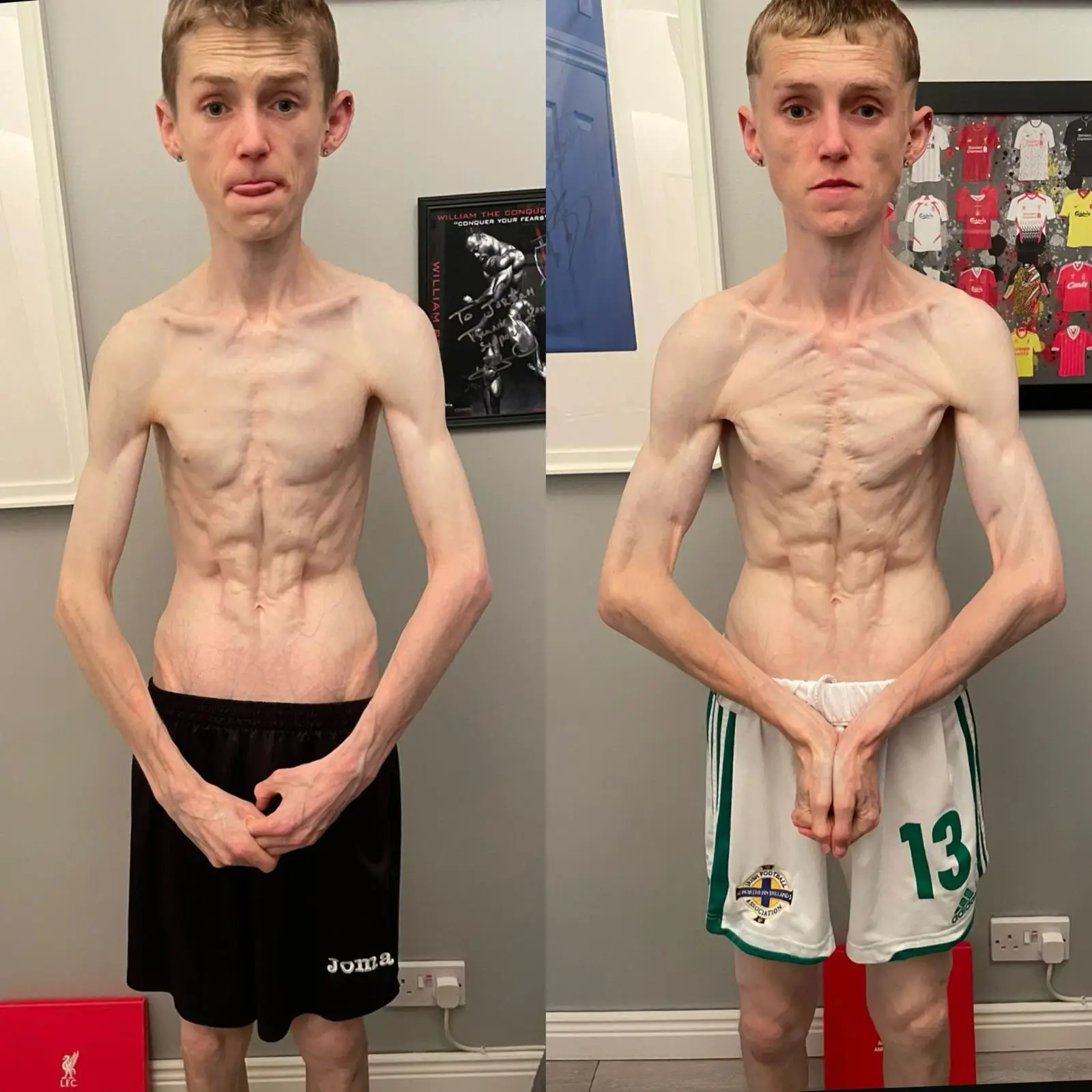
His weight had dropped to below five stone, with the anorexia stunting his growth and delaying his puberty.
Jordan says he would even deliberately evade eating, giving him time in his day to keep exercising.
“I suppose I never really, truly, got better from anorexia and I relapsed to the worst I’ve ever been," he tells us. "I was my lowest weight, at just under five stone.
“I was referred and sent over to a specialist unit in London and was sectioned. I had the worst experience of my life there, and I knew that people weren’t going to listen to me about it because I was so ill.
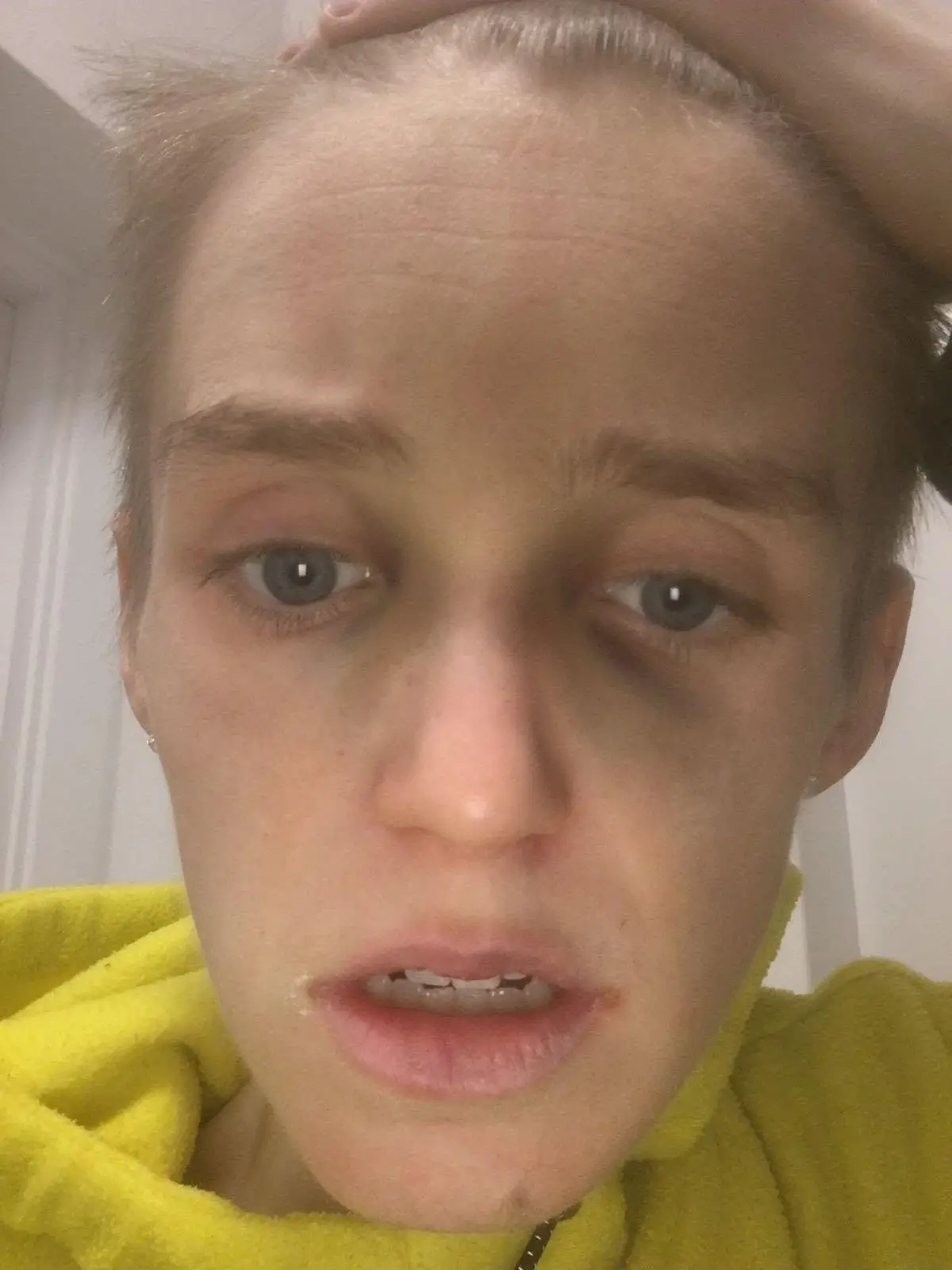
“For eight years I’d never reached anything as I was then. As you can see in the photos, I was getting worse and worse.
“I was under section and being fed through a tube constantly. It was the fact of knowing that if I didn’t eat, they would tube feed me.
“Plus it meant that I would be able to get in exercise too and put up a fight.
“I knew they’d put food in me one way or another, so I let them because at least I could burn off some of what was going in. It feels pretty embarrassing to say.
“My blood levels were so low I was passing out. I realised it had just gone on so long and felt like everyone had given up on me.
“People in the eating disorder hospital in London said that they'd never met someone that could hide food, but somehow I managed to do it.”
"Seeing how weak I was... it dawned on me I was going to die"
He was eventually transferred back home to Northern Ireland, where his anorexia resumed to the ‘same old again’.
It was not until he reached the age of 26 that something shifted and Jordan reached the realisation that he could die if he didn’t make a change.
He started to gain an interest in football again but realised he was physically too weak.
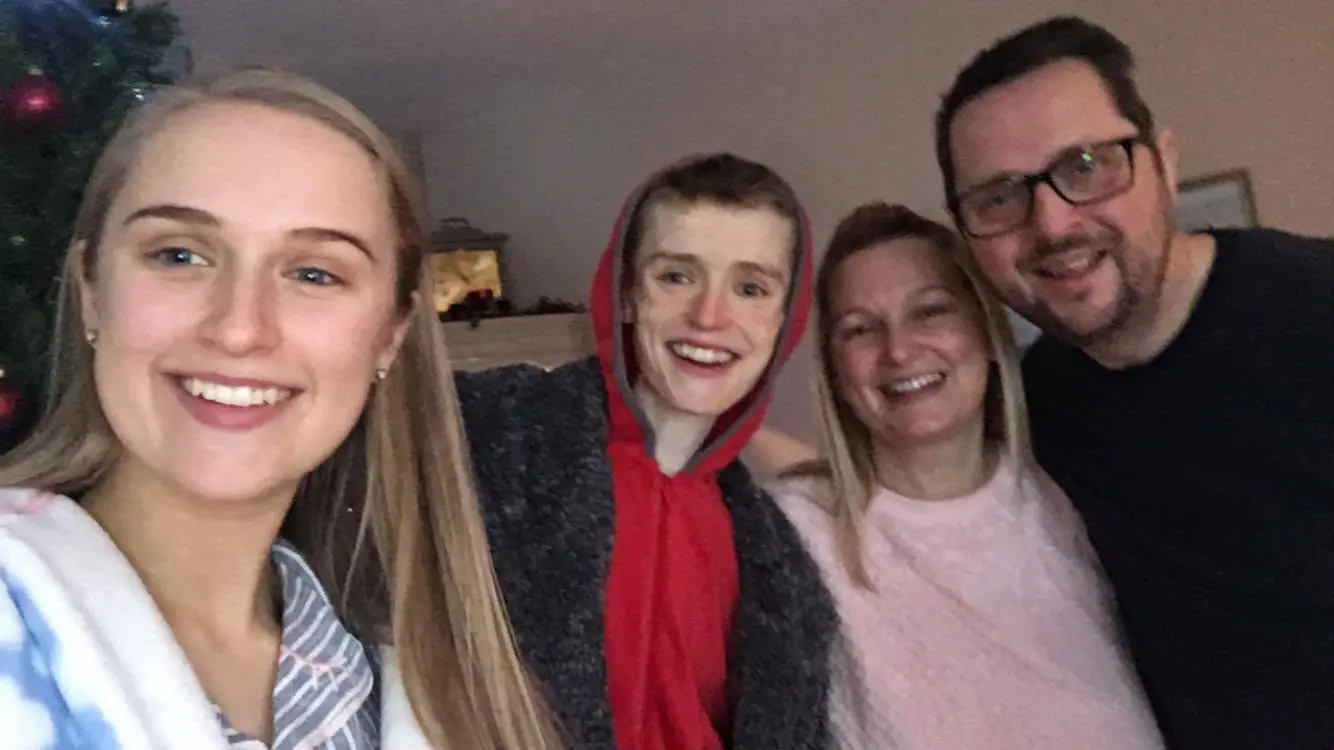
“It got to the stage where all my family could do was say I was going to kill myself. Physically they couldn’t do anything else to help me,” he explains.
“They had taken years off work but nothing had made a difference.I had therapists which didn’t work and I was in a category called SEEDS, which stands for Severe Enduring Eating Disorder, which basically means you’re being monitored until you die.

“All those things really played on my mind, and also how close I am with my family and the turmoil it put them through.
“I'd started to get interested in football again but seeing how weak I was, and not being able to bend my knee properly with no flexibility… I thought Jordan, what the f*** is happening?
“My heart was nearly packing in, my kidneys were shutting down and I just thought, I’ve had enough of this.
“I said it was time I did something to change my life. It dawned on me I was going to die. I’d been resuscitated times before and it was no way of life. I started to try and make a change again.
“For me, I’ve never been a quitter and I knew I had to do something.”
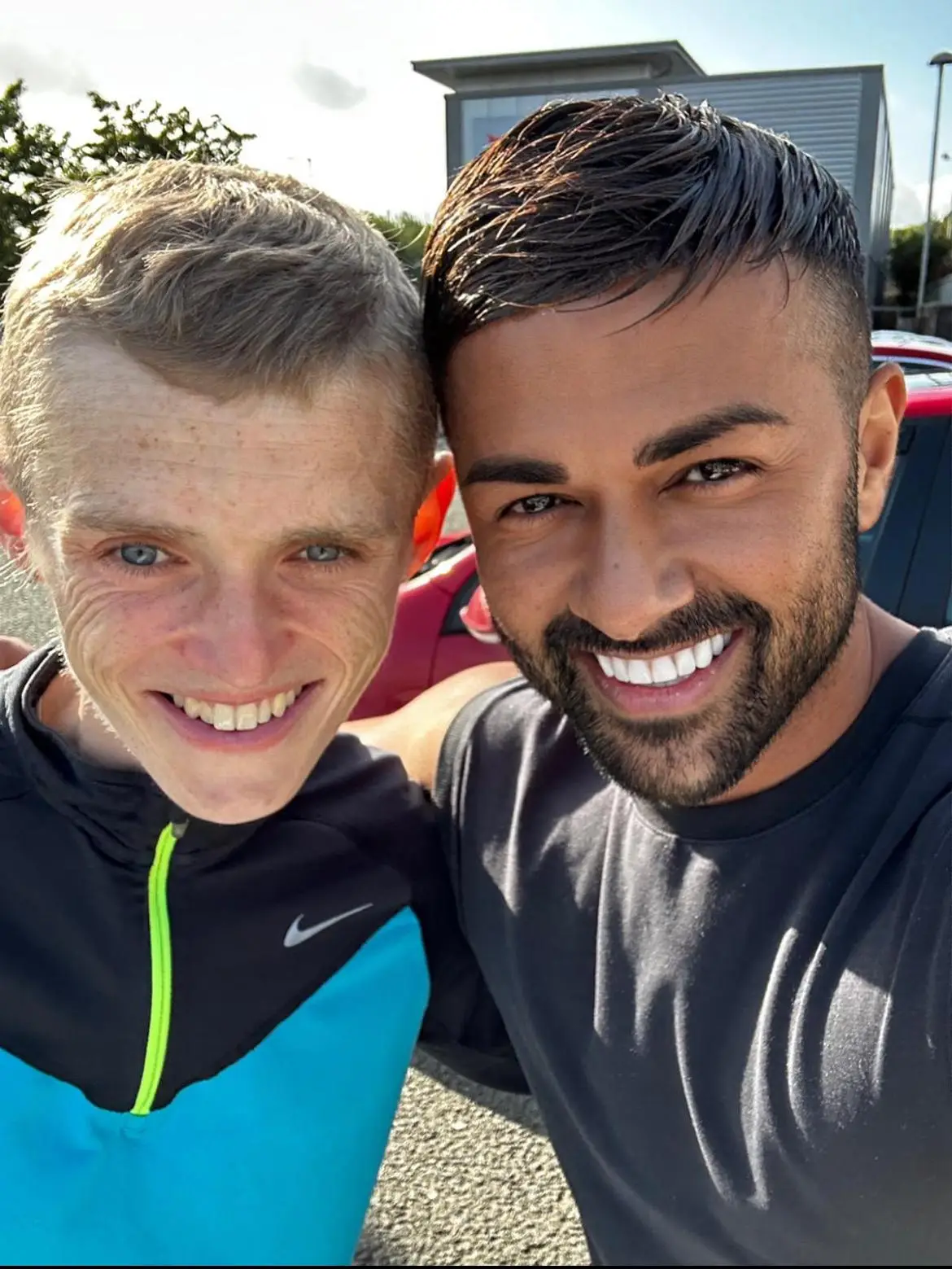
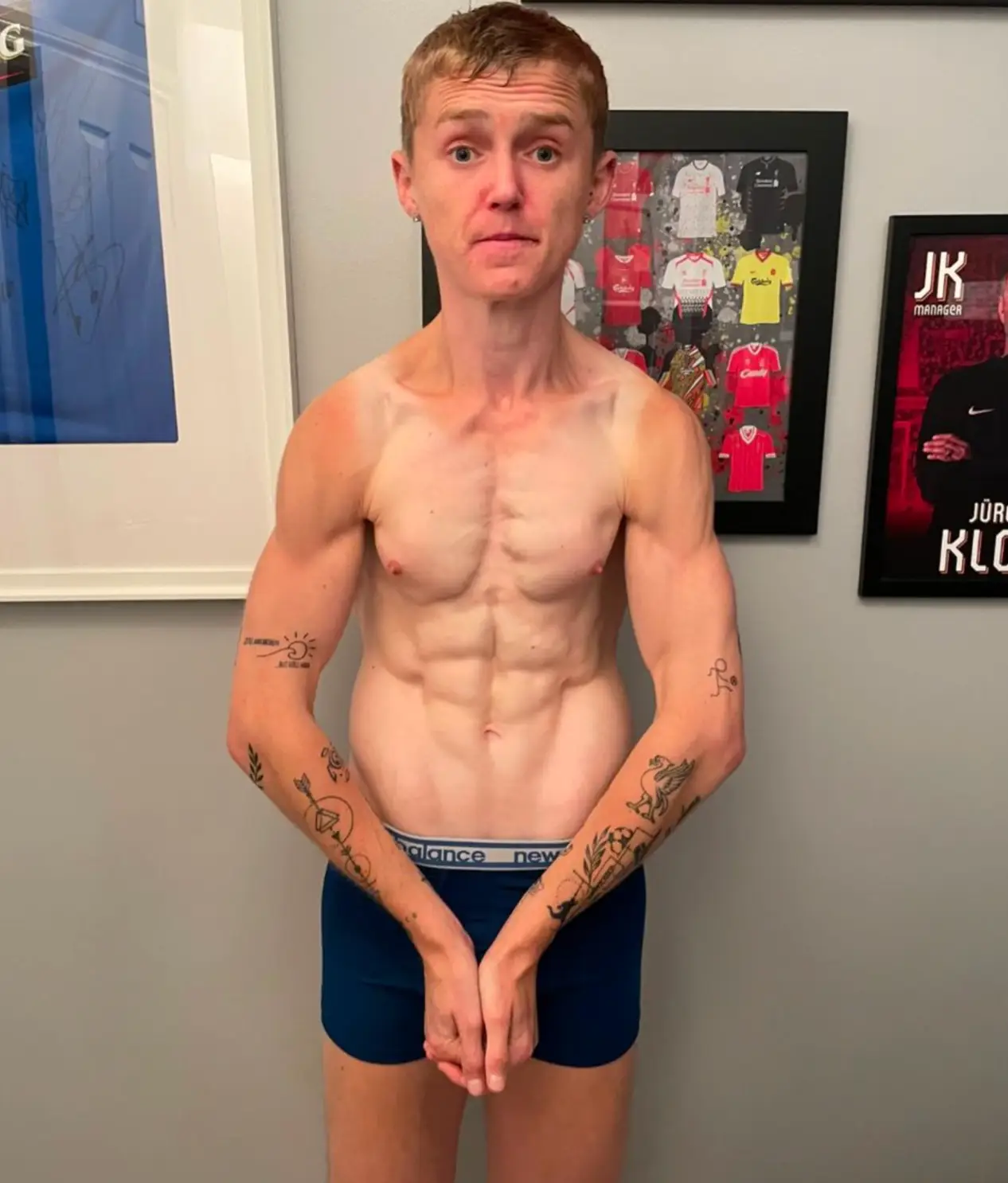
Jordan instructed the help of Aamir Fit, a body transformation specialist, and has spent the last three years working towards his body building goals, gaining significant weight and muscle for the first time in more than a decade.
Photos shared on social media show the devastating toll anorexia had had on body just three years ago. Yet despite all the positive comments, Jordan admits he is struggling to feel confident in himself due to the years of trauma.
"If I can make a difference to one person, that's all that matters"
He says his fight with anorexia will never truly leave him and is still a ‘battle every day’.
And comments about how young he looks, at age 29, he says, are like a ‘stab in the heart’.
“Big highs come with really big lows; because of what’s happening, I still feel fat and disgusting,” he explains.
“But one thing that has helped me is what people are saying in the photo of me, even thinking it’s AI, which proves what good shape I must be in.
“I don’t say this to many people, but from anorexia, you’re never really fully recovered. It’s something you battle every day.
“Another thing is that people tell me how young I look and say there’s no way I’m 29. But to me, it’s like a stab in the heart. It’s because of my anorexia, which stopped and stunted my growth.
“It stops everything happening, with puberty and growth hormones. Everything shuts down. I have no facial hair or anything so I do get paranoid with people making comments.
“I think that’s paramount for people to know, because there are so many issues that come with it.
“For me personally, I never feel good, comfortable or confident. But there’s a part of me that can feel proud, which is hard to say, and look back and see to a certain degree that I’m not like how I was at the start.
“It makes me feel a sense of happiness and achievement. My goals going forward are wanting to have as much muscle as I can.”
Explaining why he is choosing to speak out now, he added: “I don’t believe anything happens for no reason. I believe this happened for me to spread my word.
“I aim to spread my own journey and work to help as many other people as I can.
“I wouldn’t wish what I’ve been through on my worst enemy. For me, if I can make a difference to just one person, that’s all that matters.”
Men less likely to seek help for eating disorders
Leading charity BEAT Eating Disorders have told LADbible that men are typically less likely to seek help for eating disorders such as anorexia.
They provide information and support to people experiencing eating disorders as well as their families and friends, including through a Helpline and online support and information.
Research suggests around one in four (25 percent) of those with eating disorders are men, but that around only 15 percent of contacts to the charity of from males.
The organisation said this clearly indicates the importance of challenging stigma around men and the disorder, and that some men feel they have not been taken as seriously as if they were a woman.
Speaking to LADbible, Kerri Fleming, Head of Service Development at BEAT Eating Disorder said: "Eating disorders can affect anyone, regardless of gender, age or background.

"Although available figures identify more women than men with eating disorders, we need to be cautious about assuming this reflects the full picture, as eating disorders in men can be under-recognised, under-diagnosed and under-reported.
"There is still a persistent stereotype that eating disorders, and particularly anorexia, predominantly affect young women.
"This can make it harder for men to recognise that what they are experiencing may be an eating disorder and can create additional shame or reluctance around asking for help.
"These stereotypes can also influence how other people respond.
"At Beat, we hear from people who feel they have not been taken seriously because they do not fit the perceived image of somebody with an eating disorder including because they are male."

Kerri continued: "Eating disorders in men may not always present in the way people expect. Alongside concerns about weight or shape, some men may have a strong focus on leanness, muscularity, rigid eating or excessive or compulsive exercise.
"It is important that these behaviours are recognised as potential signs of an eating disorder rather than automatically being viewed as healthy eating or fitness.
"Anorexia nervosa is a serious mental illness, not a choice, diet or lifestyle. It can involve significant restriction of food, an intense fear of gaining weight, difficulties around body image and a range of behavioural, psychological and physical symptoms.
"Beat regularly hears from people who have experienced significant eating-disorder symptoms or deterioration but have felt they were not considered 'ill enough' to receive specialist help.
"Being told or made to feel that you are not yet unwell enough can also reinforce the eating disorder and discourage people from seeking help again.
"The message to any man who is worried about his relationship with food, weight, body image or exercise is that he does not need to wait until things become more severe before seeking help."
If you've been affected by any of the issues in this article and would like to speak with someone in confidence, call the BEAT Eating Disorders helpline on 0808 801 0677. Helplines are open 3pm-8pm Monday to Friday. Alternatively, you can try the one-to-one webchat.
 James Holt