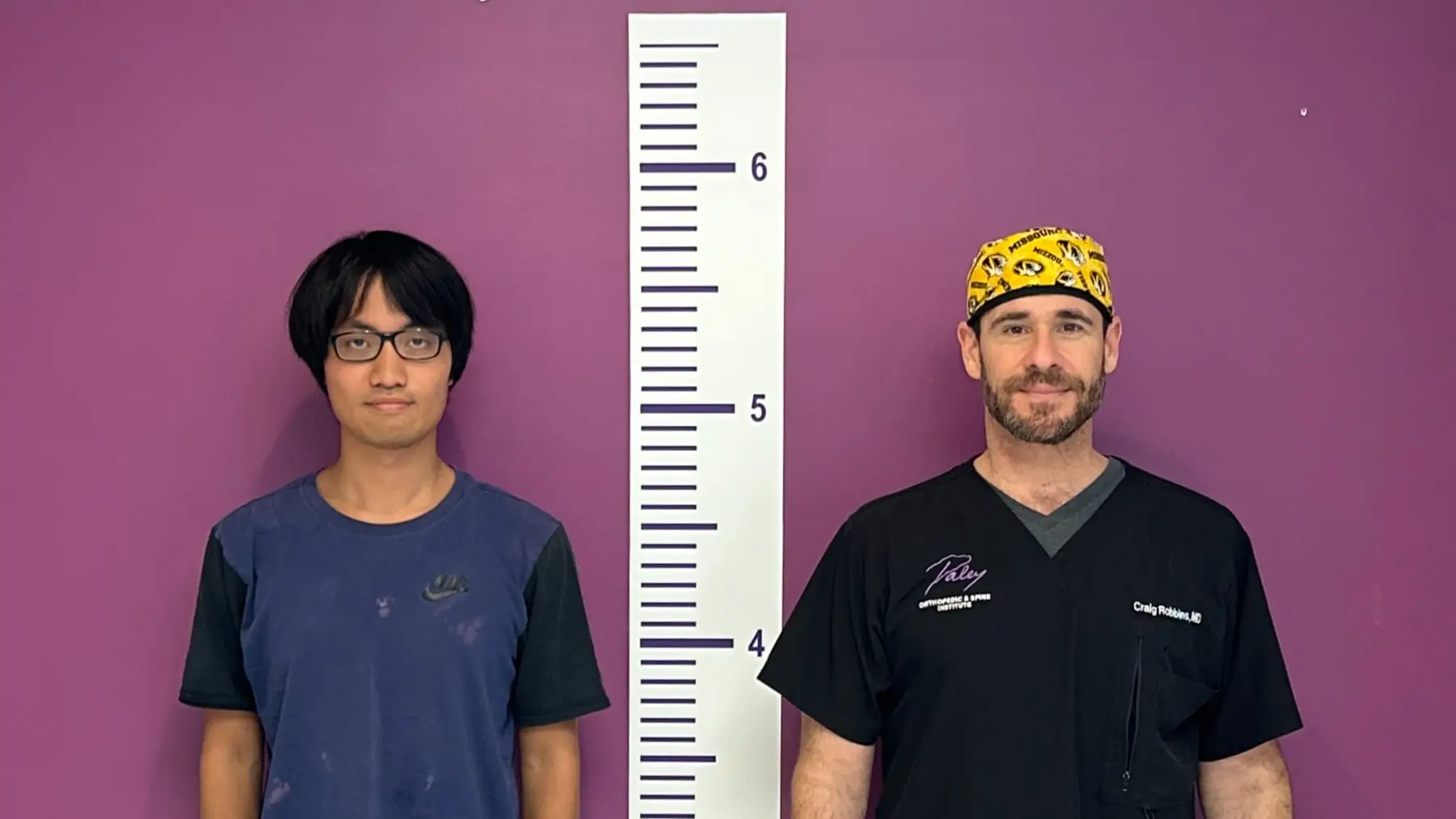
What happens during 'Lamborghini’ limb-lengthening treatment that costs $100,000

While limb-lengthening surgery might sound a bit extreme, it’s all about feeling comfortable in your own skin.
Whether it’s because of a lack of self-confidence, difficulty meeting women, or just a burning desire to get taller, there are all sorts of reasons why it’s becoming more popular.
In Celine Song's 2025 film Materialists, Pedro Pascal's portrayal of wealthy financier Harry Castillo is revealed to have secretly undergone leg-lengthening surgery to increase his height - a plot point that explores the pressures many men feel around height and dating.
Turkey, meanehile, appears to be the go-to destination for cosmetic limb-lengthening surgery because of its significantly lower prices, while the US remains the leading centre for premium specialist treatment.
Advert
Many lower-cost limb-lengthening procedures use older techniques such as Lengthening Over Nail (LON) or the Ilizarov method.
It's when surgeons cut the thigh or shin bone before attaching an external metal frame to the leg with pins or wires inserted through the skin into the bone.
Patients gradually turn screws on the frame, usually by around 1mm a day, slowly pulling the bone apart so new bone grows in the gap. Once the desired height is reached and the bone has hardened, the external frame is removed.
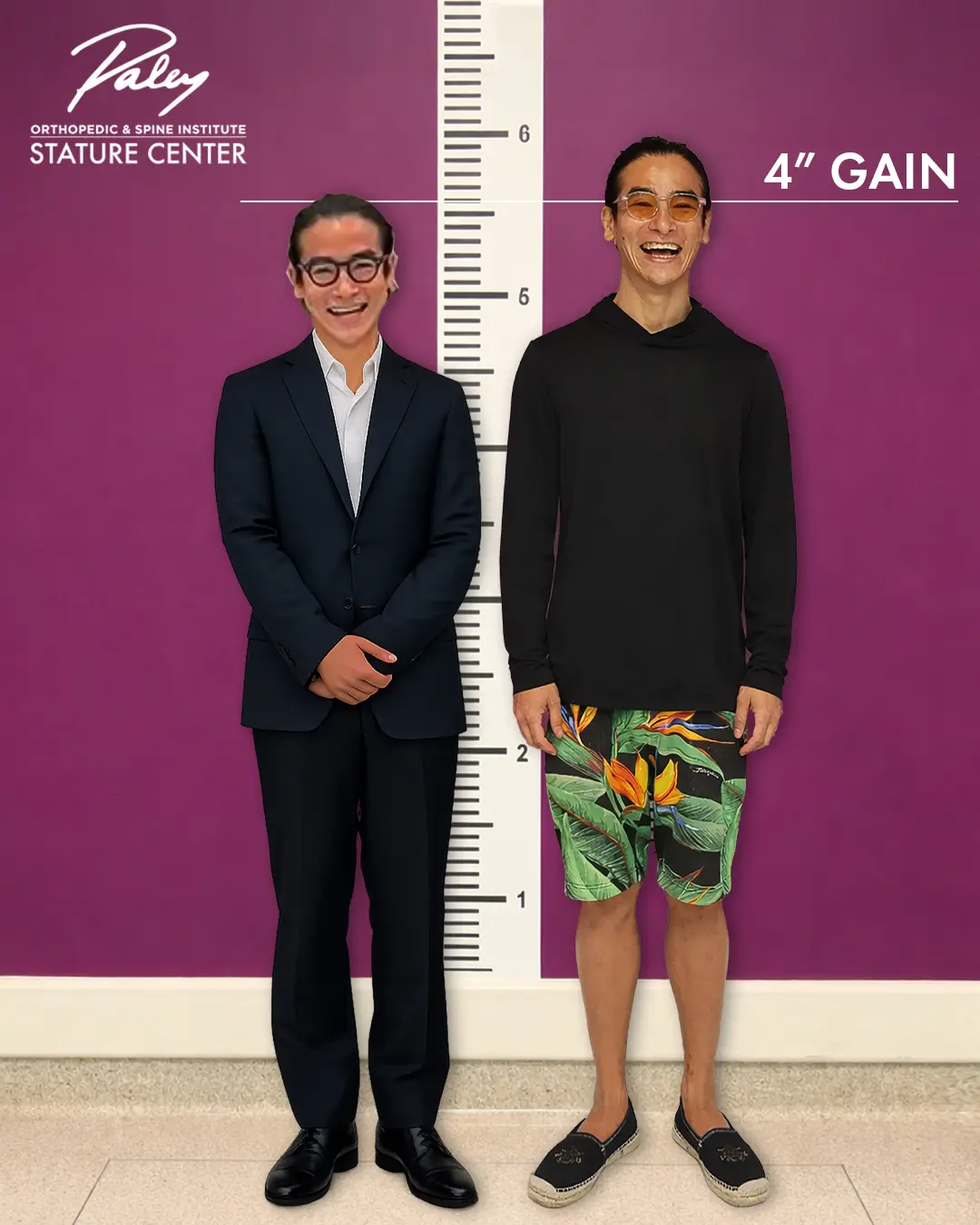
Dr Dror Paley, one of the world's leading limb-lengthening specialists, said these older methods typically involve more pain, larger scars, reduced mobility and a greater risk of complications than newer internal magnetic implants.
"Unfortunately, we get consulted when stature lengthening doesn't go so well. The largest number of self-referrals with complications are coming from Turkey. I see a steady flow of bad results out of that clinic," Dr Paley - the Medical Director of the Paley Orthopedic & Spine Institute in West Palm Beach, Florida - tells LADbible.
"People come to us for us to salvage their function because these are normal people who, before this, could do the same as you and me, participate in sports and had no pain. They wanted to gain some height and they now have permanent disability."
Why the ‘Lamborghini’ of limb-lengthening treatment costs $100,000
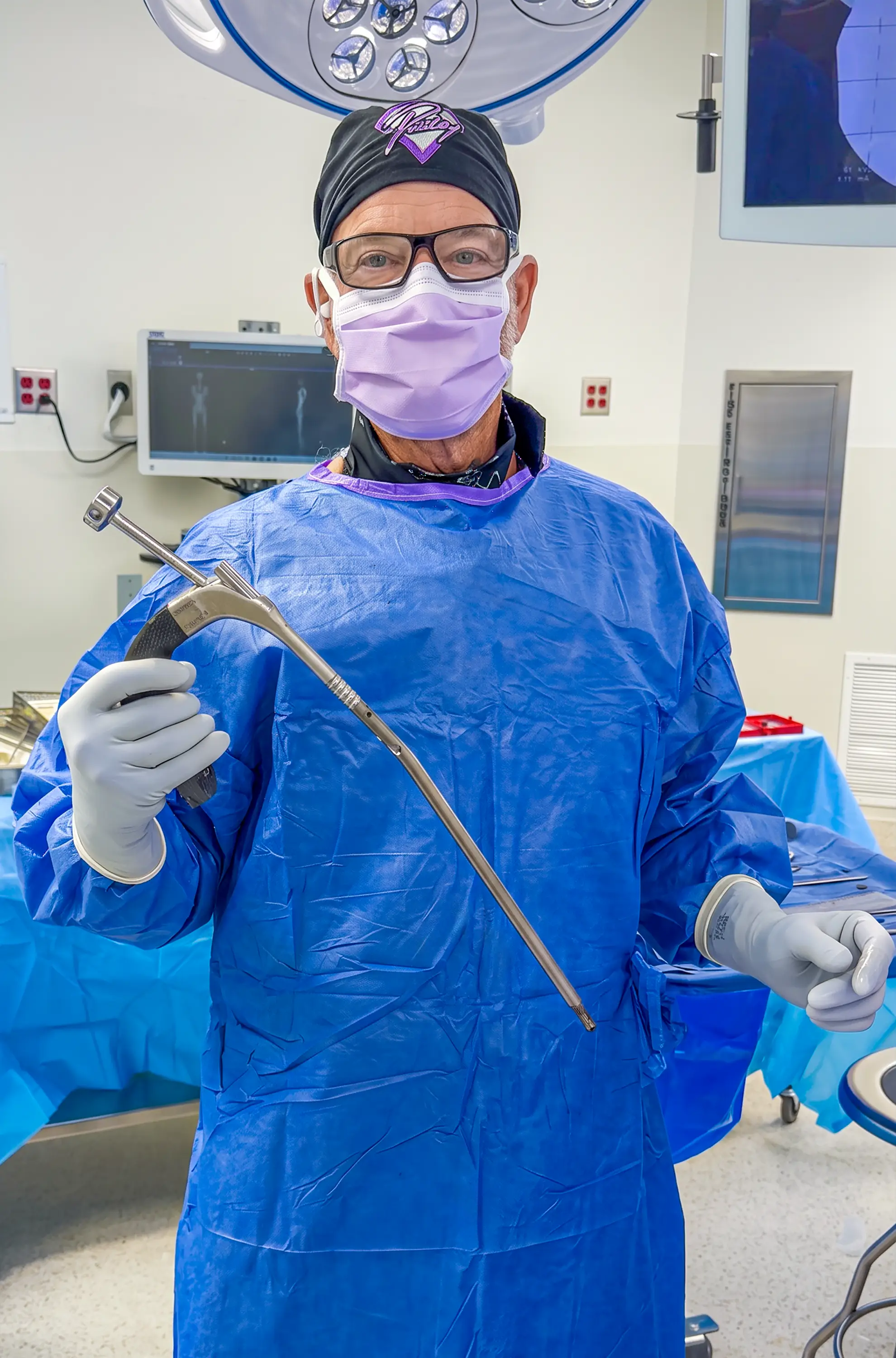
Dr Paley says the latest generation of implantable devices has transformed the procedure, describing his newest system as ‘the Lamborghini’ of limb-lengthening technology.
"The P-Max is kind of the Lamborghini of these devices in terms of technology," he explained. "It is the best device out there," he said.
Unlike older procedures that rely on bulky external metal frames fixed to the legs, Dr Paley's method uses a telescopic nail implanted inside the bone.
"The technique they're using is much older technology," he explained. "It uses external fixation, which leaves big scars, is much more painful for the patient, limits motion much more, especially in femur lengthening. It is just much less convenient and you end up with ugly scars.
"The average cost for lengthening two bones is approximately $100,000. The implants alone make up half that cost."
The new-era of limb-lengthening
Following surgery, patients gradually increase their height using a magnetic remote control rather than manually turning exposed metal rods.
"The process of lengthening involves them using this external remote control, there's a magnetic feedback between the nail and external magnet. The external magnet spins and when it spins it'll turn a screw inside the nail which lengthens it and you do that quarter millimetre four times a day," he said.
The bone grows by around one millimetre each day, meaning patients seeking five centimetres of additional height typically complete the lengthening phase in around two months, while eight centimetres takes closer to three.
"We're lengthening a millimetre a day," Dr Paley said. "A good way to remember it is five centimetres is two months and eight centimetres is three months."
Patients are back on their feet in a day
Perhaps most surprising, he says patients are back on their feet almost immediately after surgery.
"The next day after surgery, you've gotten out of bed and standing. You're already standing with a walker or crutches and you're taught to walk around the room, get to the bathroom, things like that," he said.
"By the time you leave the hospital, you're able to do stairs, walk down the hallway."
Most patients are walking independently within a couple of weeks while continuing specialist physiotherapy throughout the lengthening process.
For anyone tempted by cheaper alternatives, he believes one question outweighs the price tag.
"You have to ask yourself, what is your health worth? Sometimes the cost of fixing complications is greater than the original cost to do it right," Dr Paley adds.
Interview conducted by James Moorhouse.
 Anish Vij