
Office 'pingers' branded most annoying people at work

With an increasing number of companies forcing their employees to come back into the office for more days in the week plenty of people are getting increasingly annoyed at their coworkers.
The hybrid thing was working for a lot of people, but most of us will have suspected that bosses would slowly try and unpick the working from home arrangements we'd been enjoying.
So now plenty of Brits are back on the commute so they can sit round at desks and think about how they'd rather be somewhere else, and that's where the annoyance of the 'pingers' comes in.
It's a term coined by Metro to describe the office folks rated as most annoying by a recent Kahoot survey, though making the word stick could prove to be as difficult as trying to make 'fetch' happen.
Advert
If you're wondering what these 'pingers' are, apparently it's those folks who sit right across from you at work but never say a dang word if they can just message you over the chat.

Workplace, Slack, whatever site it is you and your colleagues message each other on, these so-called 'pingers' would rather type and message something they were close enough to say right to your face.
According to a survey of 2,000 workers this is the most annoying type of person to work with in the office because they could just tell you things and talk to you like a person but they won't.
If you've got to sit in an office you might as well talk to your colleagues, some of them might be quite nice, which is why those who don't open their mouths for a chat are rated as most annoying,
To mount some defence of these people, it can be good to get things down in writing so you can refer to it later and be sure of what it is you're meant to be doing.
As with the calling vs messaging dynamic, pinging a few message's somebody's way can let them deal with whatever you've got going on in their own time.
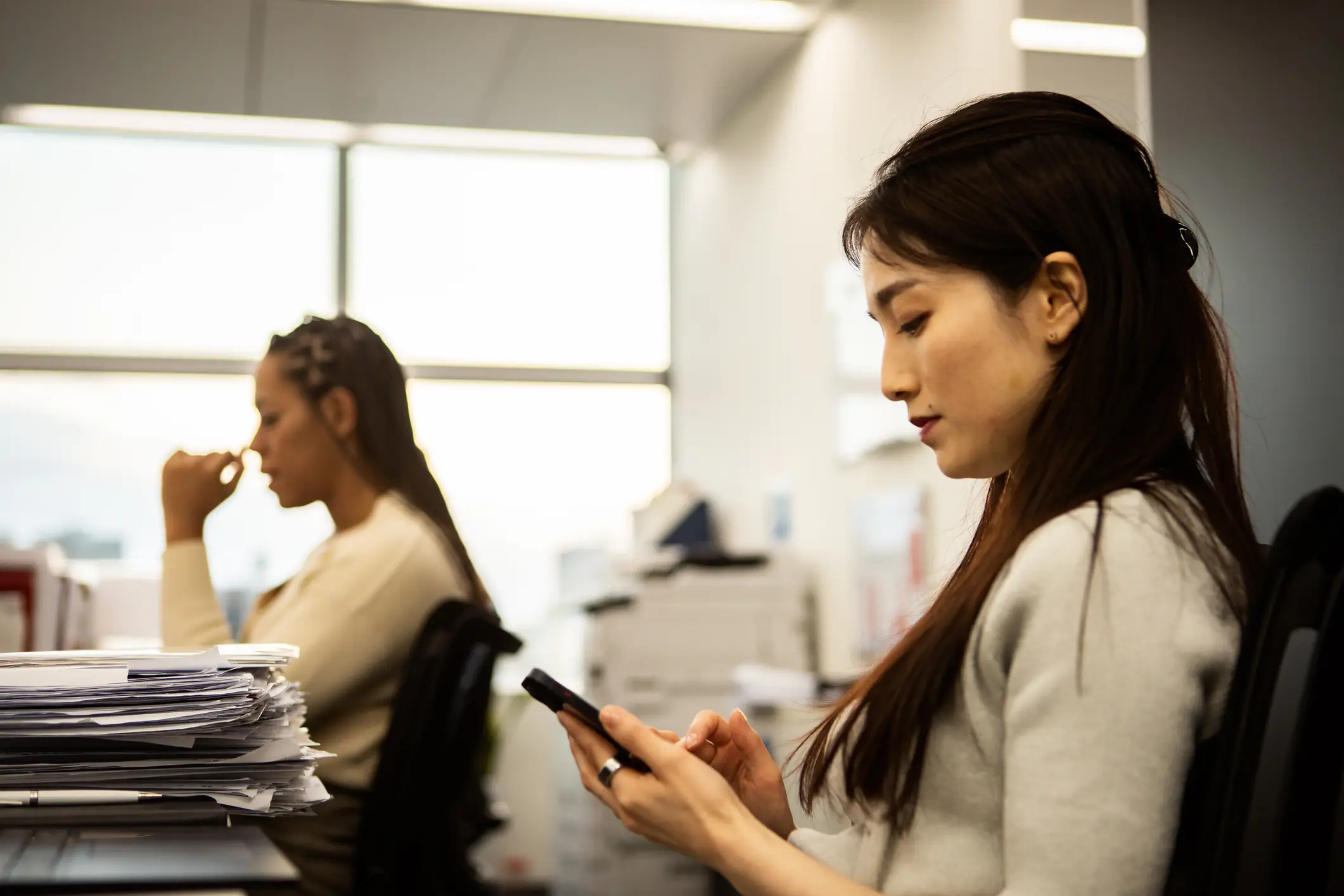
Speaking to them immediately demands their time and attention, sending them a message they can check when they're free might be more convenient.
There are various other workplace behaviours that get on people's wick.
Gen Z workers have been accused of regularly showing up late, believing that getting in 10 minutes after the beginning of the shift is basically as good as turning up on time.
The older people get the less receptive they are to this idea, with 39 percent of Millennials agreeing with this approach, while 26 percent of Gen X and just 20 percent of Boomers agree.
Different working cultures are all clashing with each other and what works for one group might rub the other up the wrong way.
 Joe Harker