
Eating less protein could actually benefit your health, new study reveals

The internet is always obsessed with something and right now it appears to be protein.
You literally cannot go into a supermarket without seeing the word protein everywhere, since a health conscious generation is determined to squeeze it into every meal.
The sooner that people realise that most folks don't want protein in their brownies or their cereal, the better, and it seems as if some scientists might agree that it's not good to have it in everything.
Of course, food like eggs, chicken and fish is pretty much universally accepted as being good for our bodies, but some corners of the internet have taken their passion for protein a little too far in recent years.
Advert
The growth of the carnivore diet is evidence of that, despite most health experts being in agreement that it's still important to have a balanced diet featuring plenty of fruit and veg.
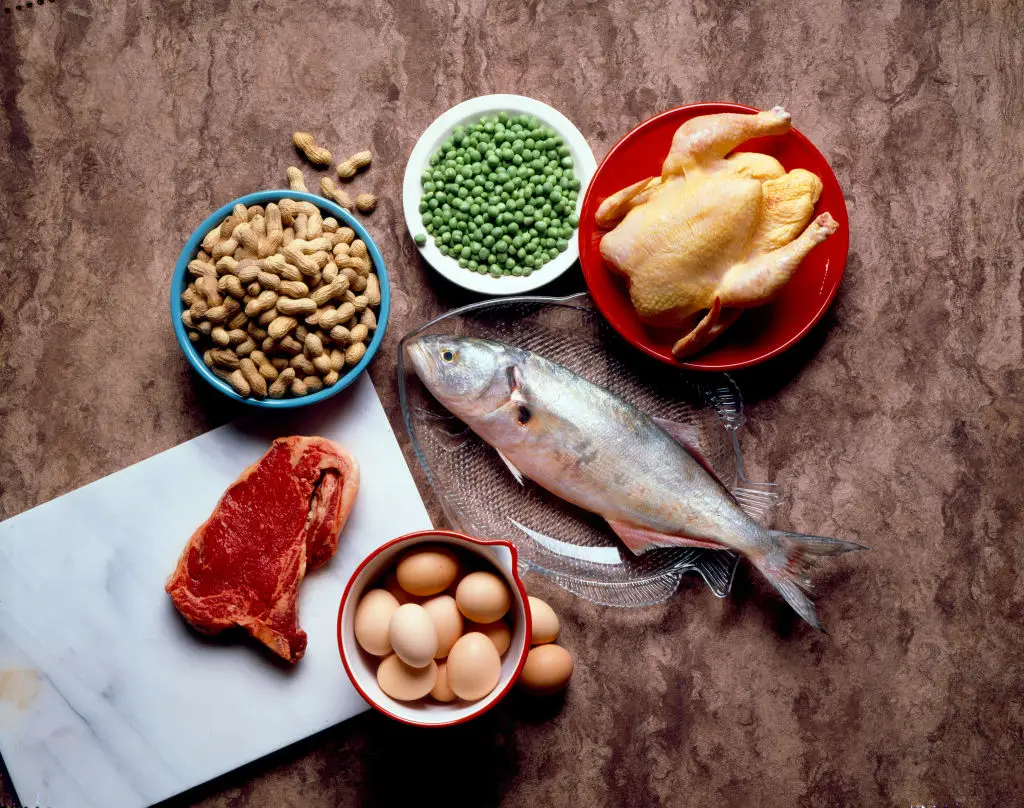
Red and processed meats in particular have long split opinion, with some studies finding them to be potentially cancerous in the long-term, as well as likely contributing towards the surge in bowel cancer cases among people under the age of 50.
You're never likely to be able to convince people one way or another but a recent study has now suggested that eating a little less protein might not just be better for the environment, but also for our general health.
"It's absolutely crystal clear that there are benefits of protein to muscle growth and exercise response of active individuals," says Dudley Lamming, the paper's corresponding author, of the University of Wisconsin-Madison. "But because most people are relatively sedentary, many people are likely consuming more protein than they actually need, which probably has negative health consequences."
Lamming's recent study, which was published on 31 July in the Cell Press journal and reviews over 350 different studies, claims that restricting the amount of protein you eat can lead to improved metabolism, alter the way cells react to nutrients, limit cellular damage, and help cells maintain normal function, all of which can lead to a longer life.

While athletes often consume large amounts of protein, we also have to consider the regular exercise that they do alongside it. Lamming theorises that by using protein to build strong and healthy muscles, athletes are protected from the more negative health effects which he associates with a protein-rich diet.
"Recent recommendations have encouraged people to eat more protein, but they've also encouraged people to exercise more," Lamming says. "We probably need to personalise protein recommendations based not just on age, but also on how physically active people are."
Essentially, as long as you're staying healthy and enjoying a diverse diet, there are still benefits to be had from getting plenty of protein in, and you don't need to put down those protein shakes just yet.
But if you are eating non-stop protein for every meal without the exercise to back that up, then it might be time to think about a new diet.
 James Moorhouse