New study reveals creatine has unexpected positive side effect on health

A new study has suggested that taking the supplement creatine could have an impact on the body's ability to deal with cancer.
The effects of creatine on muscle growth are well documented and the supplement is among the most popular available, but researchers from the University of California, Los Angeles (UCLA) say it may boost the immune system against cancer.
Their study found that creatine helped boost dendritic cells, which are specialised cells in your immune system which detect tumours and attack cancer.
"Immunotherapy has shown remarkable promise, but it only works for a subset of patients," said Professor Lili Yang, the study's senior author.
Advert
"What this study shows is that creatine doesn't just help the T cells fighting cancer -- it also energizes the entire infrastructure supports and guides them.
"That makes creatine a promising supplement to holistically support the immune response that modern immunotherapies depend on."
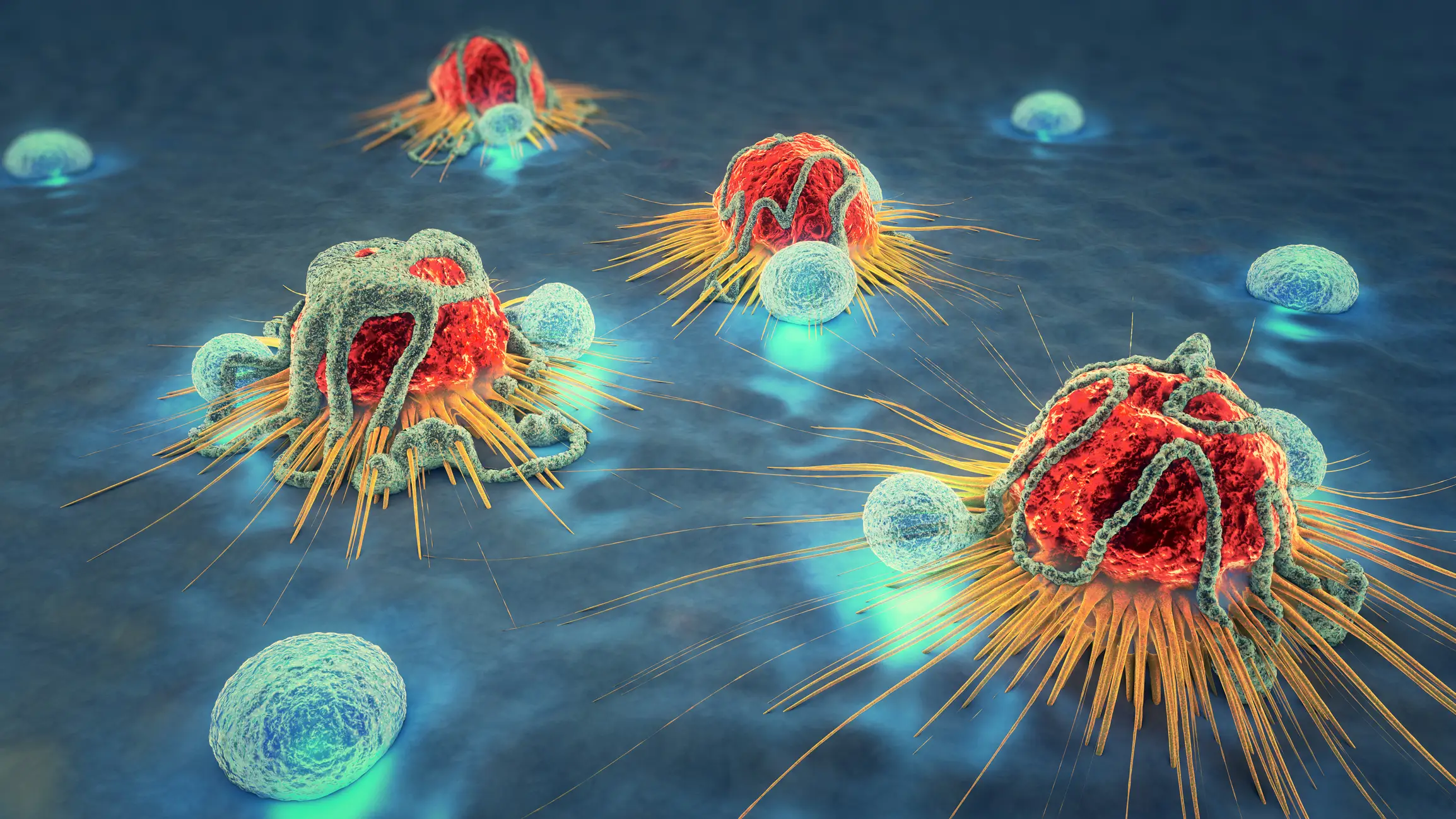
Many cancer treatments are focused on activating something called 'killer T cells', part of your immune system which searches your body for cancer cells to destroy.
However, many immunotherapy treatments do not produce meaningful benefits for those on them, but the researchers found that creatine could help with these cells.
In their experiments on mice they found that creatine slowed down tumour growth, and also tested the supplement on human immune system cells as well where they found that creatine helped.
"The potential we see here is that creatine could be used in two complementary ways: as a supplement to enhance the immune response of patients already receiving immunotherapy, and as a tool to improve the quality of dendritic cell-based vaccines before they're administered," said study co-author James Elsten-Brown.

The physical benefits of creatine
While your body produces about half your regular creatine intake and your diet should account for the other half, people taking it as a supplement have found it helps promote muscle growth.
When someone takes creatine it mostly boosts their skeletal muscles as it creates a compound of creatine and phosphoric acid called 'phosphocreatine', which in turn helps create adenosine triphosphate (ATP) that provides energy to your muscles during exercise.
With more energy and a boost to muscle growth, creatine can help your muscular development as it also activates cells in your muscles that repair them after tearing to build them up stronger.
Your muscles develop better and repair better too, which is what you're going for if you want to pile on some muscle mass.
Taking it also boosts hormone growth and increases the amount of water in muscle cells which can also help prevent cramps.
Some people taking creatine have said this results in muscles having a 'bigger' appearance too.

The mental benefits of creatine
In addition to the physical benefits to your muscles studies have indicated a link between creatine and your brain.
Research into the other benefits found it may help ward off cognitive decline and keep away the symptoms of fatigue, meaning it can be useful in tackling long covid.
A study from Scientific Reports found that a dose of creatine could help the brain cope with sleep deprivation, while another paper found it could 'reduce inflammation and oxidative stress, which can affect the brain'.
Scott Forbes, PhD, said it could also 'reduce the risk of depression and anxiety' and have a 'neuroprotective' quality.
It has also been linked with a reduced risk of developing certain cancers as a body with a stronger immune system might be better at fighting off the development of cancer.
As such creatine is being looked at for its ability to not only benefit the body but also the mind.
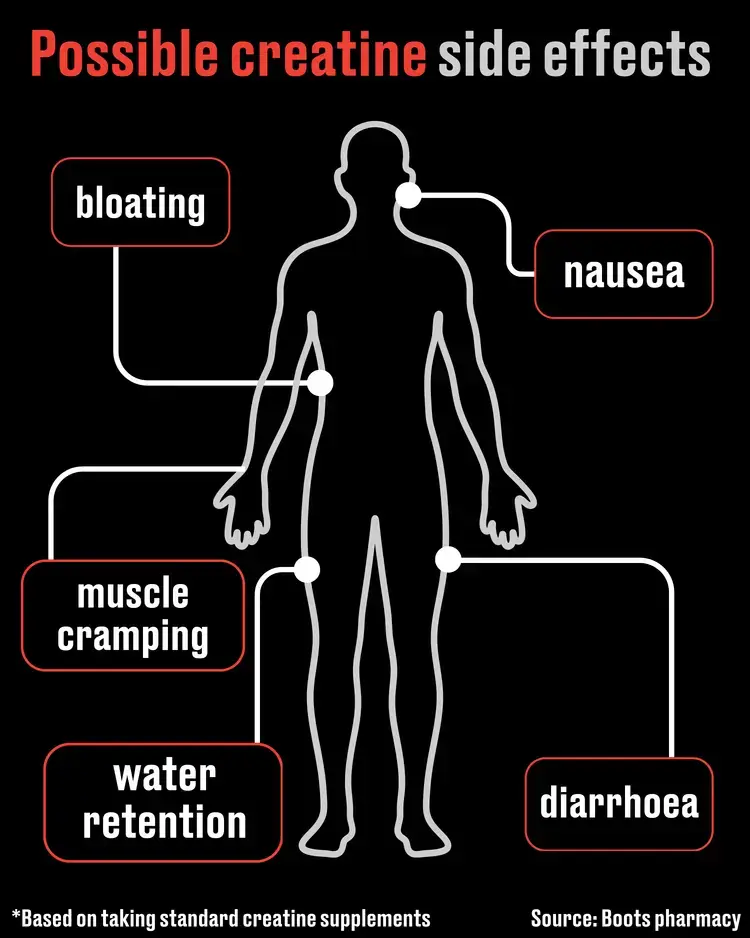
The possible downsides of creatine
While the benefits to muscle growth are well documented and creatine supplements are increasingly popular among gym-goers, there are a number of other benefits to taking the supplement as well.
There are also some dangers of taking too much of the stuff as doctors have warned that overdoing it on the powders, snacks and supplements can lead to gut inflammation.
Some studies have also raised the alarm over the possibility of kidney damage after scientists found increased markers of kidney disease in urine.
There are also links between creatine and bloating as the effect it has on muscle water retention can result in a short-term of uncomfortable bloat.
 Joe Harker