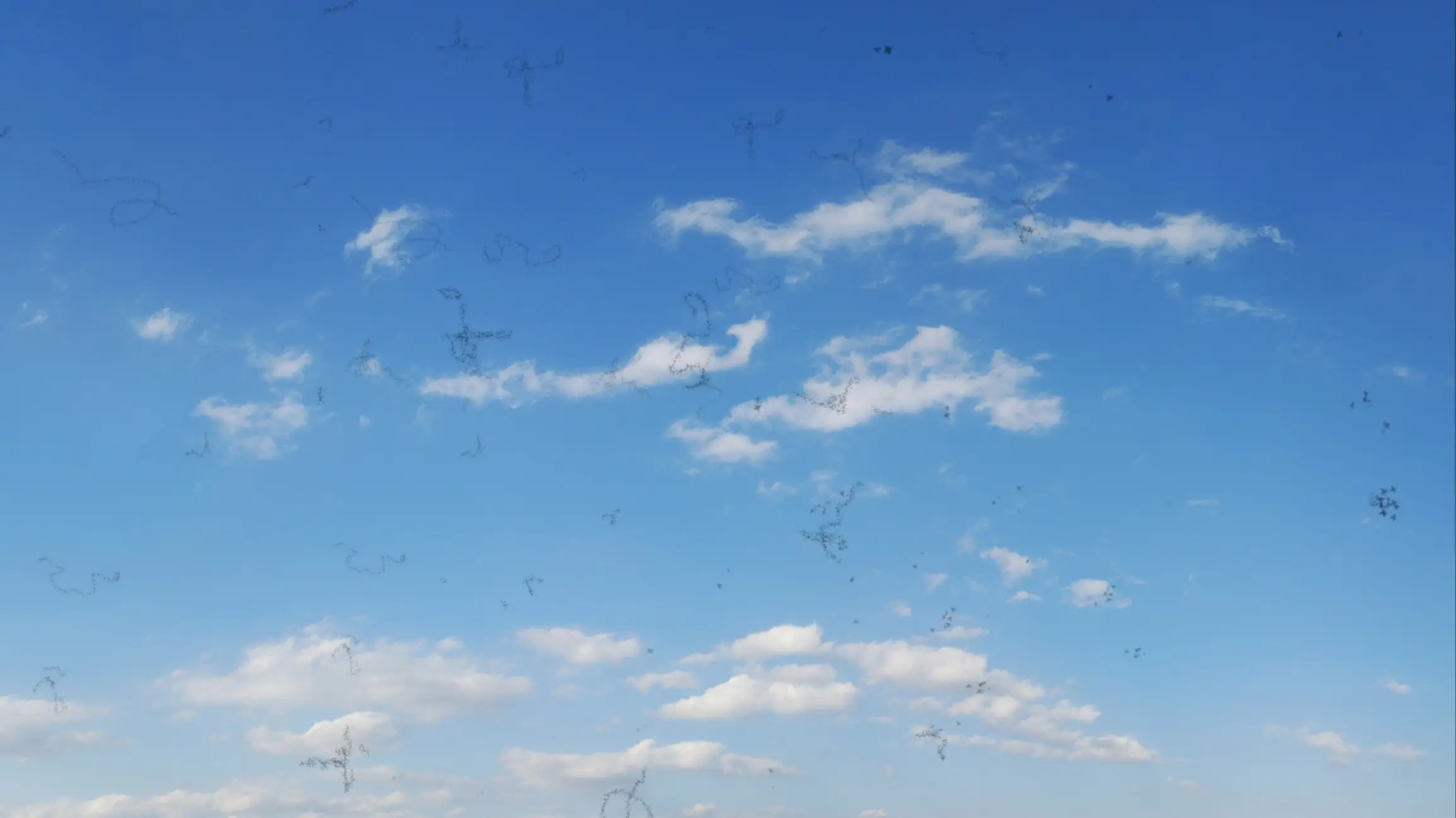
‘Floaters’ in eye could actually be sign of serious issue, new study finds

A new study from some boffins in the Netherlands may have uncovered a potential long-term health effect of 'floaters', which were perceived to be harmless.
The health condition is known to be consistent with age and nearsightedness, as the brain learns to ignore them in due time.
In case you have no idea what I'm on about, you may have noticed some little smudge-like shapes or squiggly lines appear in your vision while you're going about your day.
But after some blinking, you may realise that there's nothing there and the shapes disappear into the abyss, somehow.
Advert
These are called 'floaters', though this rare occurrence may leave you worried.
It can be annoying above anything else, but the NHS has provided advice on when you should seek the advice of a health expert about those pesky floaters - but they could be more serious than we first thought.
What are 'floaters'?
According to the NHS, this is caused by something known as posterior vitreous detachment (PVD), which is a harmless process where the gel in your eyes changes.
It is caused by fibres of collagen, clumping together in the eye's gel-like substance, the vitrous, which is behind the lens and in front of the retina.
But as it's alluded to in the March 2026 study, more serious situations could involve a retinal detachment.
In serious health cases, it can result in vision loss, though it should be remembered that floaters and 'flashes' can also happen for no real reason.
What did the study find on 'floaters'?
Researchers from Radboud University Medical Center in the Netherlands have warned that the sudden occurrence of floaters may be a sign of retinal detachment, in a study which was published in the Annals of Family Medicine.
This is when the light-sensitive retina pulls away from the back of the eye.
If this condition is not handled with immediate surgical or laser treatment, retinal detachment may cause permanent vision loss, as other signs of the condition can include flashes of light and dark shadows or curtains moving across someone's vision.
It is estimated that three in four Americans have these 'floater' shapes in their eyesight, but the study analysed nine years of electronic health records from seven family medicine practices, among other available data.

What did the researchers analyse?
The electronic health records they analysed covered about 42,000 patients, which found that 1,181 visits involved 1,089 patients aged 18 and older, who reported new floaters, flashes of light or both.
These patients were put into three groups - floaters only, flashes of light only or both symptoms at the same time, and it was found that 61 percent were women, while 57 percent were aged between 50 and 70.
At that age, it is known that the vitreous naturally shrinks and pulls away from the retina, causing floaters or even potential tears.
Out of the 1,181 visits, it was found that 77 suffered a retinal detachment or retinal tear, with more being found.
Just 4.7 percent of participants who had flashes of light had a retinal detachment or tear, while 6.1 percent of those with floaters had the same diagnosis.
Those with both symptoms together though, had the highest rate of a detachment or tear - 8.4 percent.
It means that patients with both symptoms were actually 56 percent more likely to have a retinal detachment or tear, in comparison to those who only saw flashes of light.
So in conclusion, patients who had multiple floaters had a 19.8 percent chance of retinal detachment, climbing to 29.4 percent when it was both floaters and flashes.
However, the authors highlight that most floater episodes are not a medical emergency, with the most common finding in the study for patients being 'floaters',
This represented 36.7 percent of all visits, while 32.3 percent was linked to harmless, age-related separation of the vitreous from the retina.
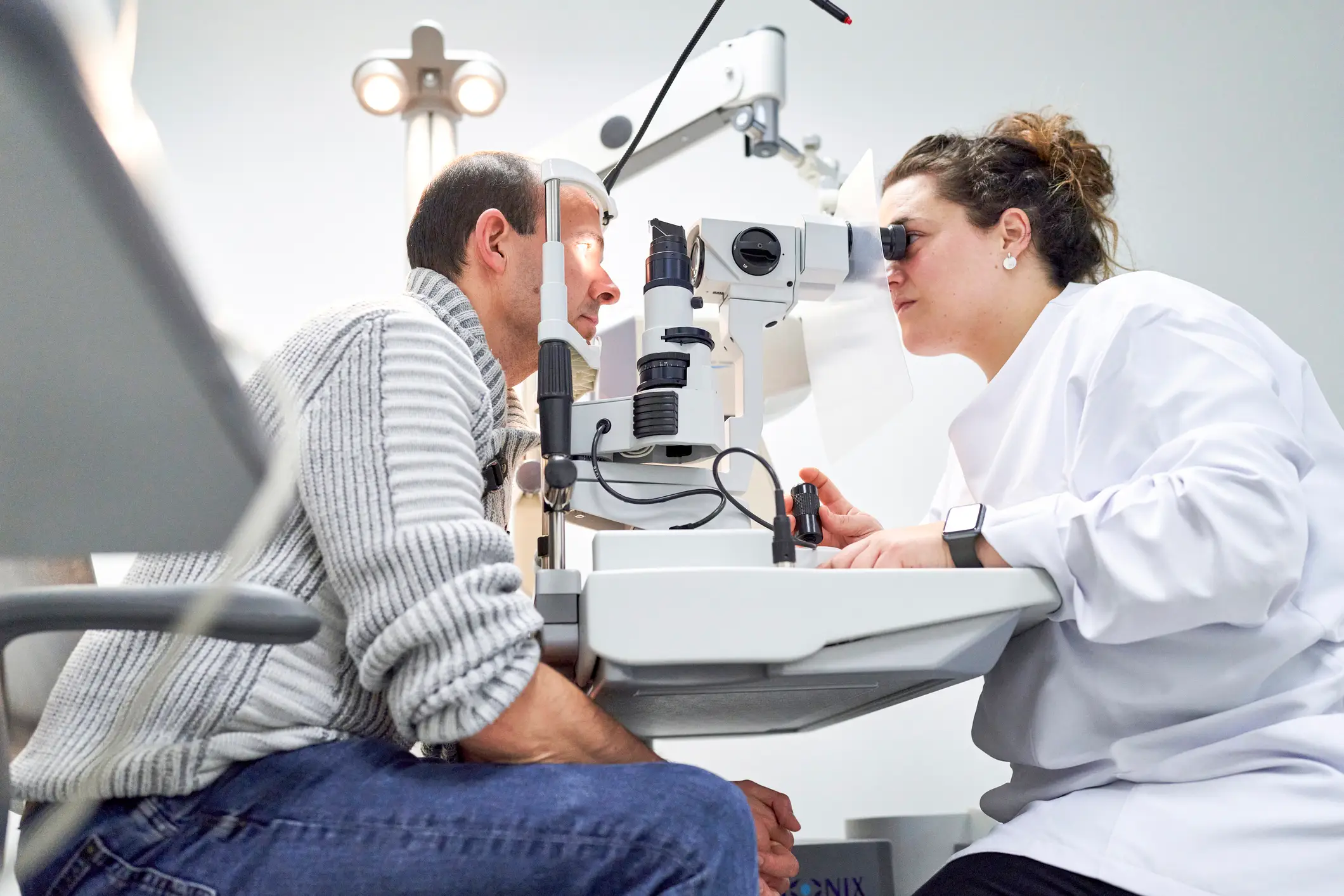
Retinal detachment is diagnosed through dilated eye exams from an ophthalmologist or optometrist, often quickly treated with surgery in 24 to 48 hours.
 Joshua Nair