
Four key dangers as common blood pressure medication recalled due to hidden quadruple dosage

Four dangers of a common blood pressure medication that has been recalled due to a quadrupled dosage have been outlined, with users being urged to check their packaging as soon as possible.
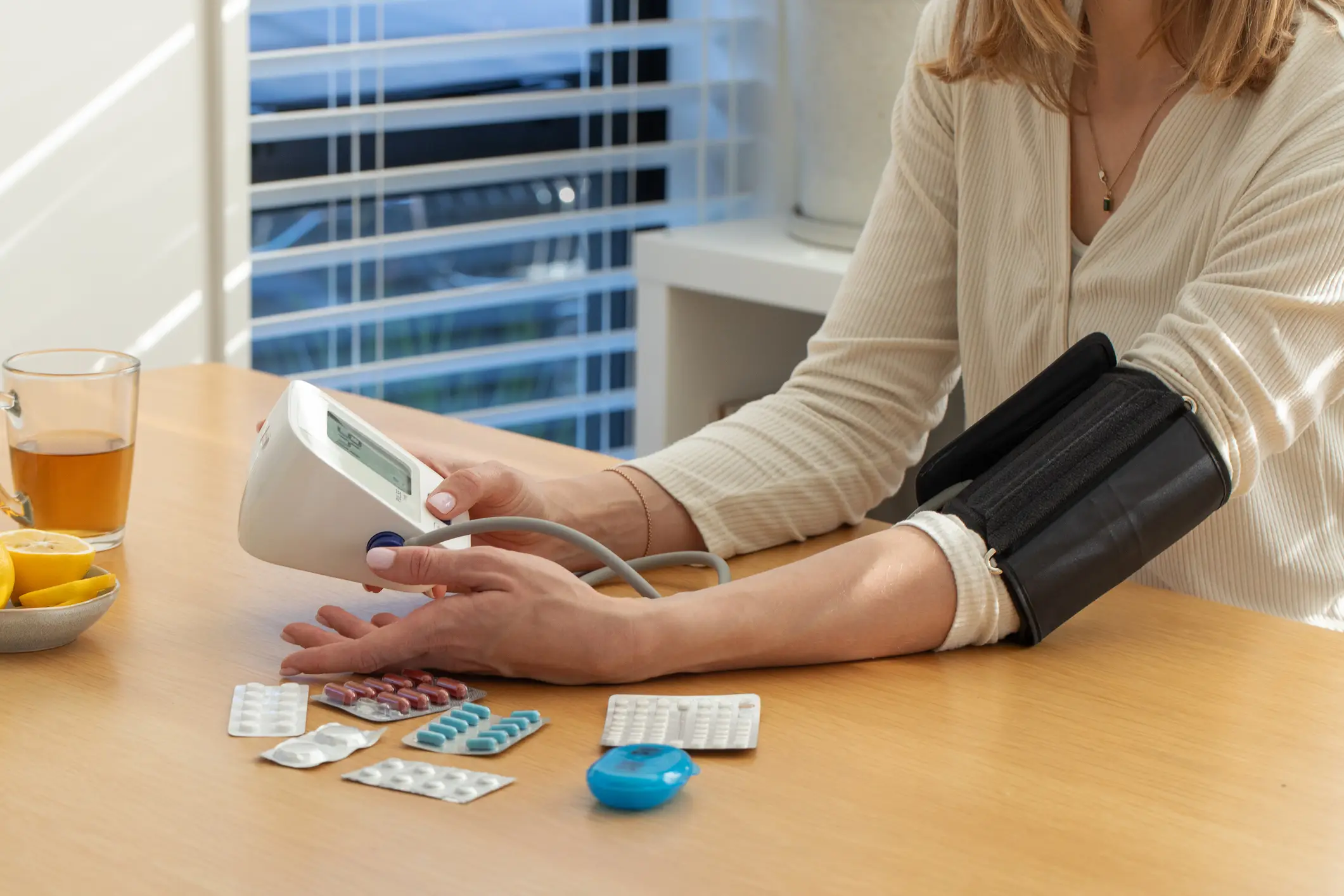
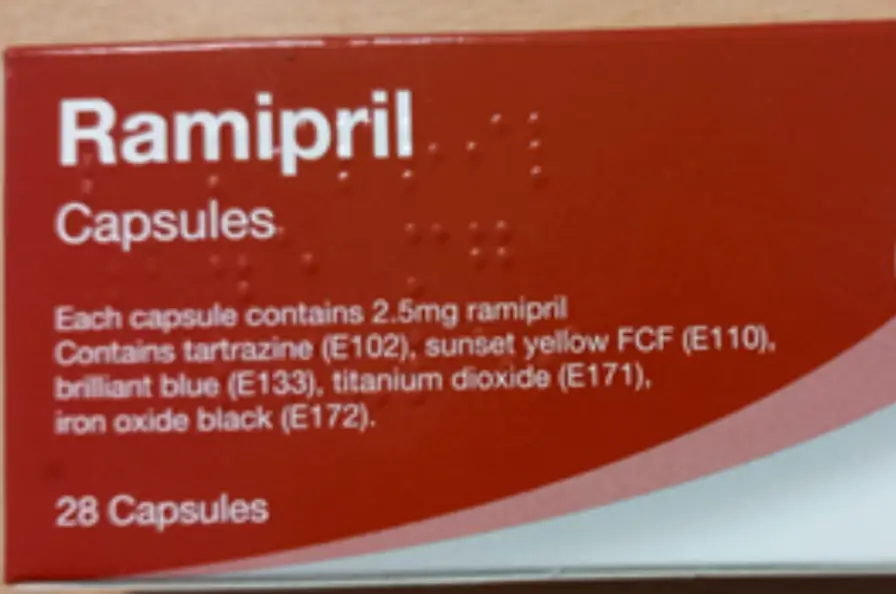
Crescent Pharma, which manufactures ramipril - a widely prescribed drug for high blood pressure - has recalled a batch after it was found that a box of the capsules contained 10mg capsules instead of the prescribed 2.5mg.
High blood pressure is a very common issue in adults in the UK, meaning ramipril is a widely used medication.
It works by widening the blood vessels and making it easier for the heart to pump blood around the body. It’s also prescribed to people after a heart attack.
Advert
However, taking a higher dose of ramipril can be dangerous, which is why Crescent Pharma issued the recall after a healthcare professional found two blister strips of 10mg tablets within a sealed box that had been labelled 2.5mg.
Dr Alison Cave, Medicines and Healthcare products Regulatory Agency (MHRA) Chief Safety Officer, has since issued a warning to users of the medication, highlighting the four dangers of this quadruple dosage to look out for.
“If you take Crescent Pharma Limited Ramipril 2.5mg capsules, check the packaging for batch number GR155023," Dr Cave says.
"If you have received this batch, check that the medication strength on the carton matches the blister strips inside. If the 2.5mg carton of Crescent Pharma Limited Ramipril contains blister strips that are labelled as Ramipril 10mg capsules, do not to take the medicine and contact your dispensing pharmacy.
"If the carton contains blister strips that are correctly labelled as Crescent Pharma Limited Ramipril 2.5mg capsules, you do not need to take further action and should continue to take your medicine as usual."
Dr Cave then highlighted the four dangers of taking the higher dose, which are:
- Lightheadedness
- Fainting
- Fatigue
- Altered kidney function
“If you have an affected pack or previously received this batch and you believe you have taken any Ramipril 10mg capsules that were included in error and are currently experiencing any side effects, please seek medical advice," she went on.
"Any possible impact of taking a higher dose of ramipril should be assessed by a healthcare professional to determine whether any examination or tests are needed.
“If you have this batch of medicine, please take the leaflet that came with your medicine and any remaining tablets with you to your pharmacy or GP practice. Any suspected side effects should also be reported via the MHRA Yellow Card scheme."
Common side effects of ramipril
Per the NHS, the most common side effects users of ramipril experience include:
- A dry, persistent cough
- Feeling dizzy or lightheaded, especially when you stand up or sit down quickly
- Headaches
- Diarrhoea
- Vomitting
- A mild skin rash
Serious and more rare side effects can include the whites of your eyes turning yellow, severe stomach pain, blood in urine, swollen ankles, high temperature, or bleeding from the gums.
If you experience any of these, it's important to call a doctor or 111.
 Emily Puckering