
How to tell difference between common cold and 'super flu' as doctors explain 'key symptom'

Now that the busy Christmas period is over, it's time to face up to a future of going back to the office and getting back into the normal routines of life.
Of course, you might try and stick to your New Year's resolutions and eat healthier or spend some time in the gym but, for the most part, your life is going to go back to usual.
That typically means a lot more interactions with the public and a lot more chances to get sick, as winter is a great time for illness rates to spike and there's a 'super flu' going round at this time of year.
The NHS was worried that this was going to be the UK's 'worst flu season in decades', though according to The Guardian, hospital admissions for the flu have fallen in the past couple of weeks so it's a welcome change in the figures.
Advert

However, with a new spell of cold weather moving in, there are concerns that illness rates might rise again and if that happens knowing the difference between the flu and a cold is useful.
What is the 'super flu'?
It's a fast spreading strain of H3N2 which scientists said they saw mutate a lot since the summer to make it more resistant to vaccines and treatments.
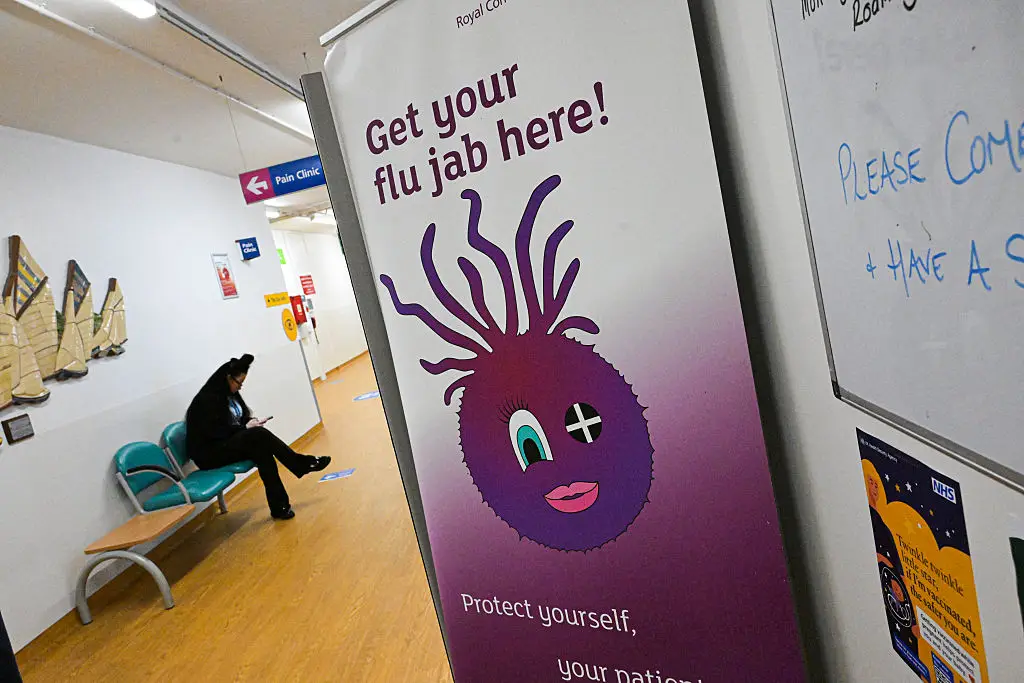
Plenty of people get flu jabs over the winter in order to protect themselves from the seasonal sickness but a 'super flu', which has done a lot of mutating, is harder for a vaccine to tackle.
Older people in particular are in more danger from the flu and projections had been gloomy, though the BBC reports that this winter's flu has thus far been a little less 'super' than experts were fearing.
Spreading rates are comparable to previous years and while it's at the upper end of those points of data research from the University of Oxford found it was only about five to 10 percent better at getting round immunities.
While it's not been as 'super' as feared, the flu is still a dangerous disease.

What's the 'key symptom' that makes it different from a cold?
While the flu is much more serious than a cold already, many of their earlier symptoms can seem quite similar, a particularly bad cold and a mild case of the flu don't feel all that different.
Coughing and a blocked nose aren't pleasant symptoms, but people with the flu are more likely to have a fever, feel particularly tired and be suffering from aches and pains in their joints and muscles.
People with more serious cases will know because there are other symptoms, and one in particular has been mentioned by doctors.
Severe chest pains, vomiting and diarrhoea are the sorts of symptoms which could tell you you've got the flu and not a cold, and some people are vomiting up yellow bile.
Dr Simon Clarke, an infectious disease expert at the University of Reading, told the Daily Mail: “Vomiting bile happens because someone is vomiting on an empty stomach."
He explained that the flu can suppress a person's appetite which can leave them throwing up on an empty stomach.
Meanwhile, Professor Paul Hunter, a leading infectious diseases expert, suggested that it happens 'because of inflammation of the stomach lining'.
"It is often mistakenly called ‘stomach flu’, but you can get it as part of the flu," he said.
What should you do if you have the 'super flu'?
If you're going through this then you should drink lots of water and stay hydrated, while the NHS says you should get rest and sleep.
It also recommends you take paracetamol or ibuprofen if you have a fever and are suffering from aches and pains.
If you're pregnant, aged 65 and over, have a weakened immune system, a long-term medical condition, or your symptoms don't go away after seven days, then it's recommended that you book an urgent GP appointment.
If you're having chest pains, struggling to breathe or begin coughing up blood, then you need to call 999.
Limiting your contact with others will help prevent it from spreading to others. People with the flu are most infectious during the first five days.
 Joe Harker