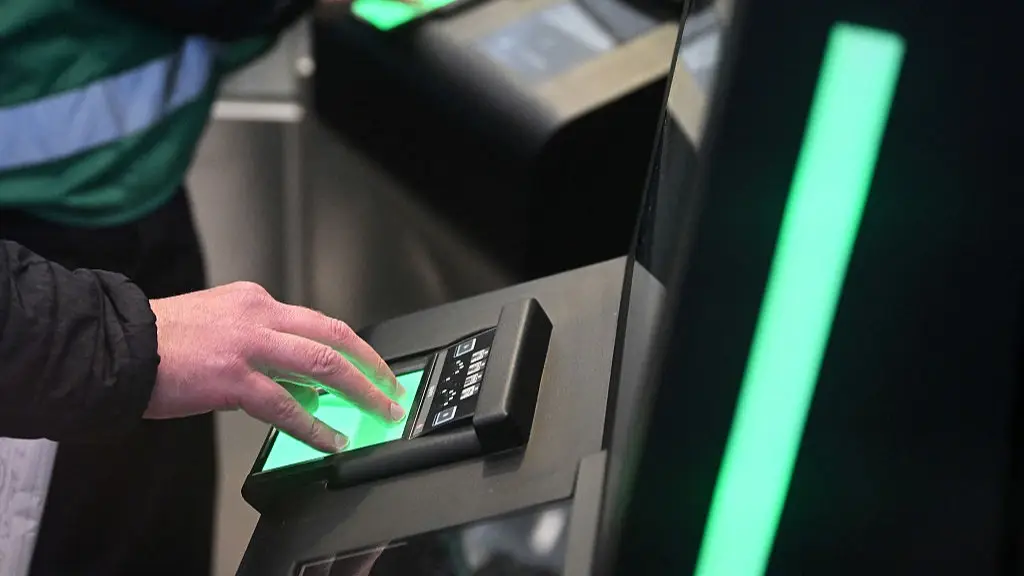
Brits face '90-day rule' for travel as new EU border fingerprint and photo checks begin rolling out

As changes begin rolling at EU borders, Brits are being warned to prepare themselves.
Travellers are set to face a ’90-day rule’ with fingerprint and photo checks kicking into force for anyone heading over to Europe.
The changes started last month, and have been rolling out gradually since with more airports and border control stops enforcing them.
If you haven’t yet come across the new system, it’s the Entry/Exit System (EES) that’s basically replacing the traditional (and let’s be honest, nice little souvenir of) passport stamps across European countries.
Advert
It’s being phased in over six months, so different places might have varying requirements for travellers until about April 2026 but it’s thought that the gradual implementation will minimise disruption. And to help with any confusion, an expert has shared their advice on using the new tech.
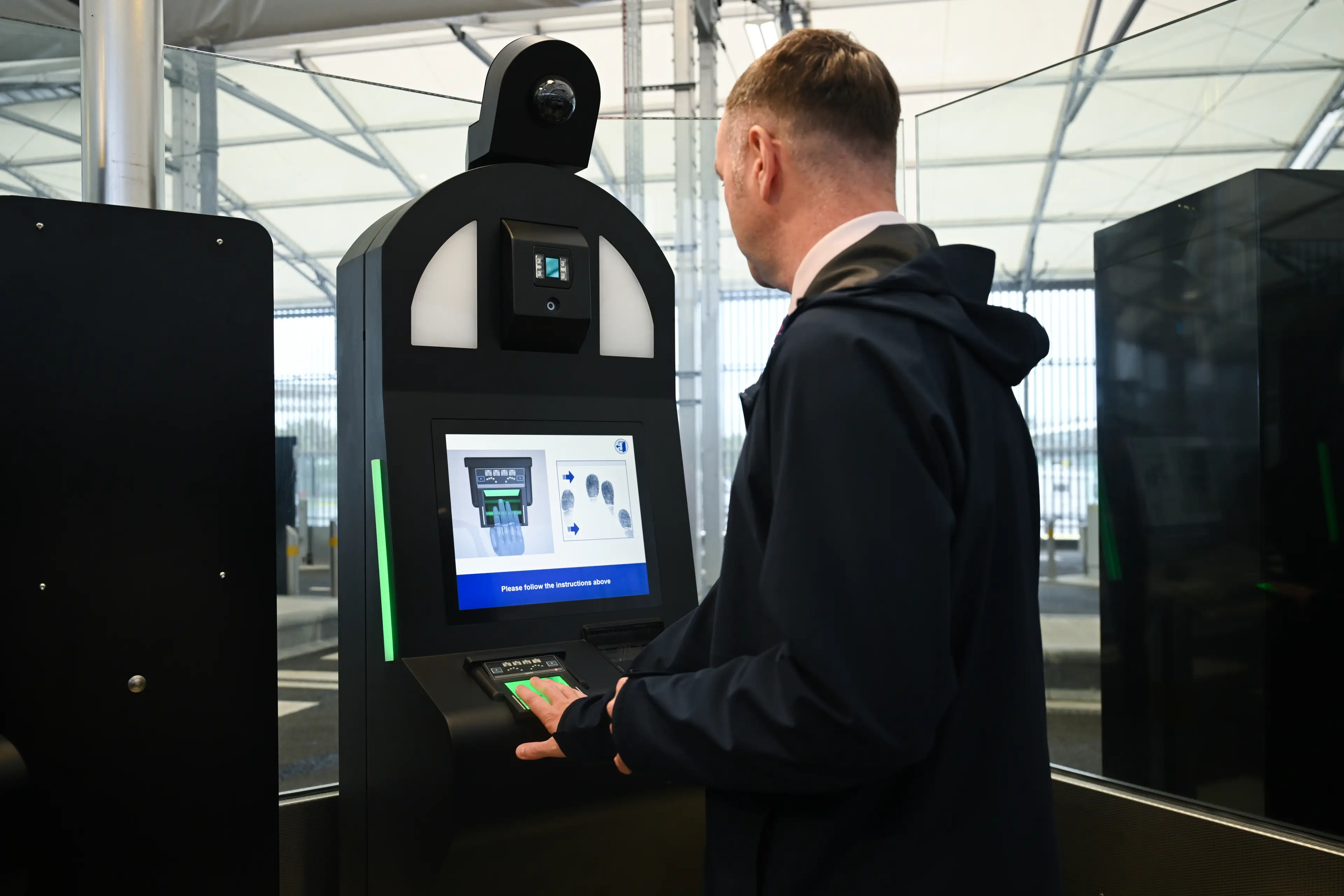
What is EES?
So, basically, the system requires non-EU citizens to register at the EU border by scanning their passport and having their fingerprints and photograph taken.
For those of us with British passports, we’ll need to register on our first visit to a country where EES checks are operating. And registration is then valid for a rolling three-year period or until the passport expires.
Then, on exit, and for subsequent visits to a participating country, travellers will only need to scan their passport and provide either fingerprints or a photograph at the border.
EES will be a requirement when entering Schengen area countries such as Iceland, Liechtenstein, Norway and Switzerland. But it won't be required when travelling to Ireland and Cyprus.
And for travellers using the Port of Dover, Eurotunnel at Folkestone or Eurostar at St Pancras International, the process will take place at the border before leaving the UK.
The ’90-day rule’
With that in mind, Paul Paddock, CEO of Post Office Insurance at Post Office, further explained to the Mirror: “The Entry/Exit System (EES) is a new digital border control system for non-EU nationals entering the Schengen Area for short stays (up to 90 days in any 180-day period). It replaces manual passport stamping with electronic registration, improving border security and efficiency.”

Preparing for travel
Shock, like any new change, it’s likely there might be a bit more time needed when using EES to begin with.
"Travellers entering for the first time will undergo biometric registration at border kiosks or e-gates. This includes the system capturing a facial image, fingerprints (if visa-exempt), passport details and entry/exit information,” Paddock said.
"For subsequent visits, the process will be faster due to the data already being stored. It's important to note that no pre-registration is required – registration happens at the border during your first entry.”
So, passengers may initially face ‘longer queues’ as it’s expected the process of biometric data collection may take ‘several minutes per person’.
“Passengers should be encouraged to plan contingency options if travelling on a tight schedule (alternative routes or transport), as any teething problems or incomplete information could cause delays to miss flights, ferries, or connections,” Paddock added.
He suggests that the best way to prepare is by allowing more time, verifying your passport is in date before travel, familiarising yourself with your destination’s EES set up and keeping crucial travel documents at hand.
 Jess Battison