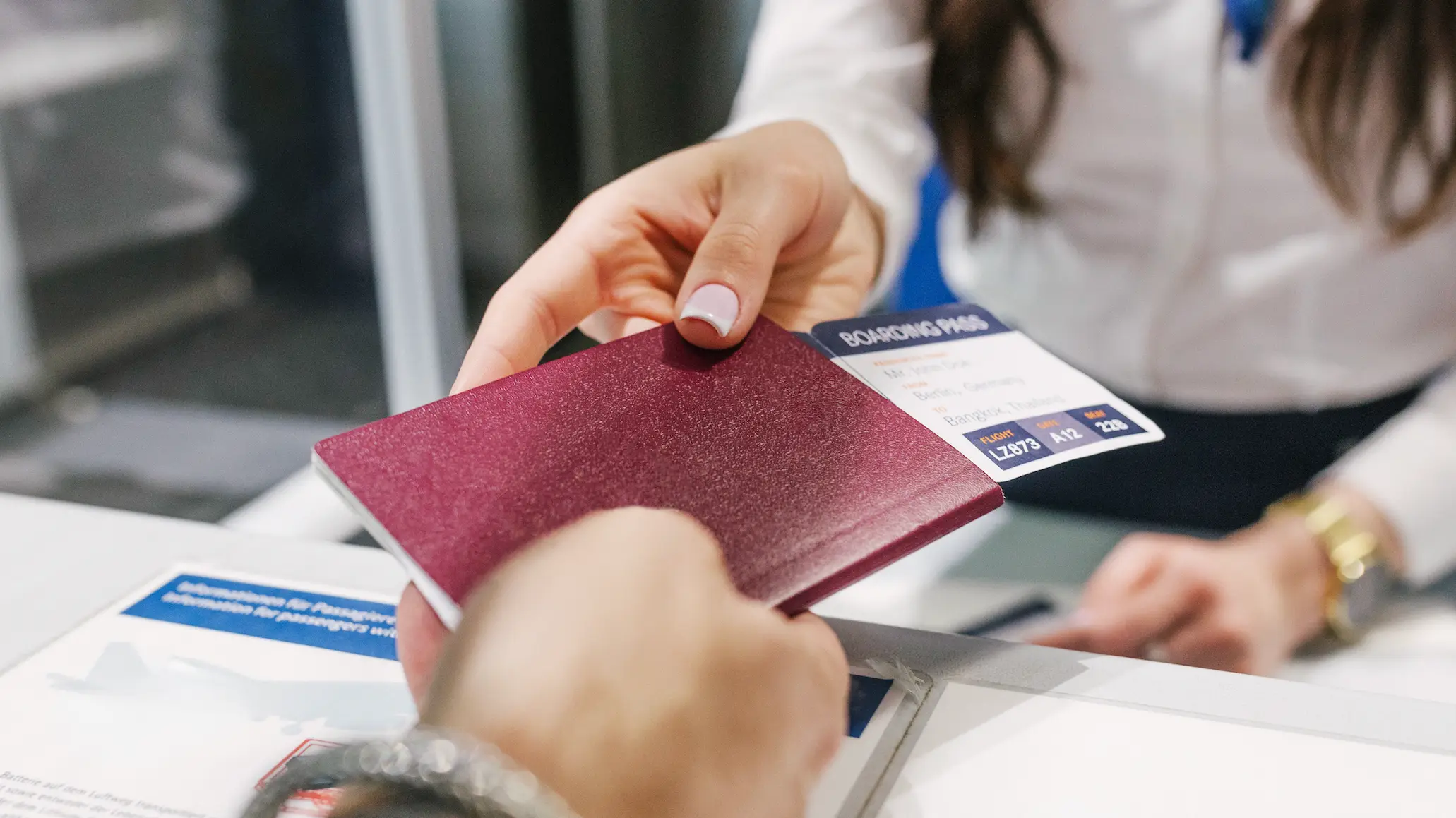
How holidaymakers can avoid three-hour delays as new airport rule deadline approaches

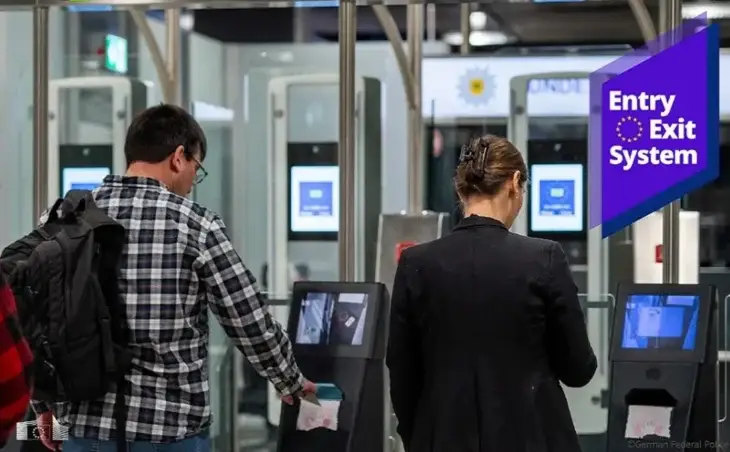
Holidaymakers are being warned about the new Entry-Exit System (EES) that's being rolled out across airports in Europe.
The border control system replaces the need for manual passport stamps for most non-EU visitors who cross the external borders of 29 European countries during a short stay.
It electronically records passport details, fingerprints and a facial image each time someone enters and leaves the Schengen Area.
The EU hopes it will eventually make it easier to monitor how long people stay in one country, as well as being able to identify fraud, while also speeding up passport checks.
Advert
As it's being rolled out across some of our most popular hotspots - causing up to three-hour delays in Geneva - the updated scheme means holidaymakers may be asked questions about their reason for travel, accommodation details and proof of sufficient funds.

How to prepare for travel
To avoid unnecessary delays, it's important to have the correct documents and any required visas ready to go.
This includes checking the date on your passport because the automated system can also refuse entry.
However, a travel money expert has warned that if you do decide to go with travel insurance, you might be at risk of being referred to a border control officer for further inspection, which will take more time.
Hannah Mayfield, who works at specialist travel insurance comparison site PayingTooMuch, said: “Travellers may now be asked for the reason of travel and details of accommodation and proof that you have enough funds for your trip.
“While these questions are typically asked via automated kiosks, answering 'no' to any of them could result in being referred to a border control officer for further questioning.”
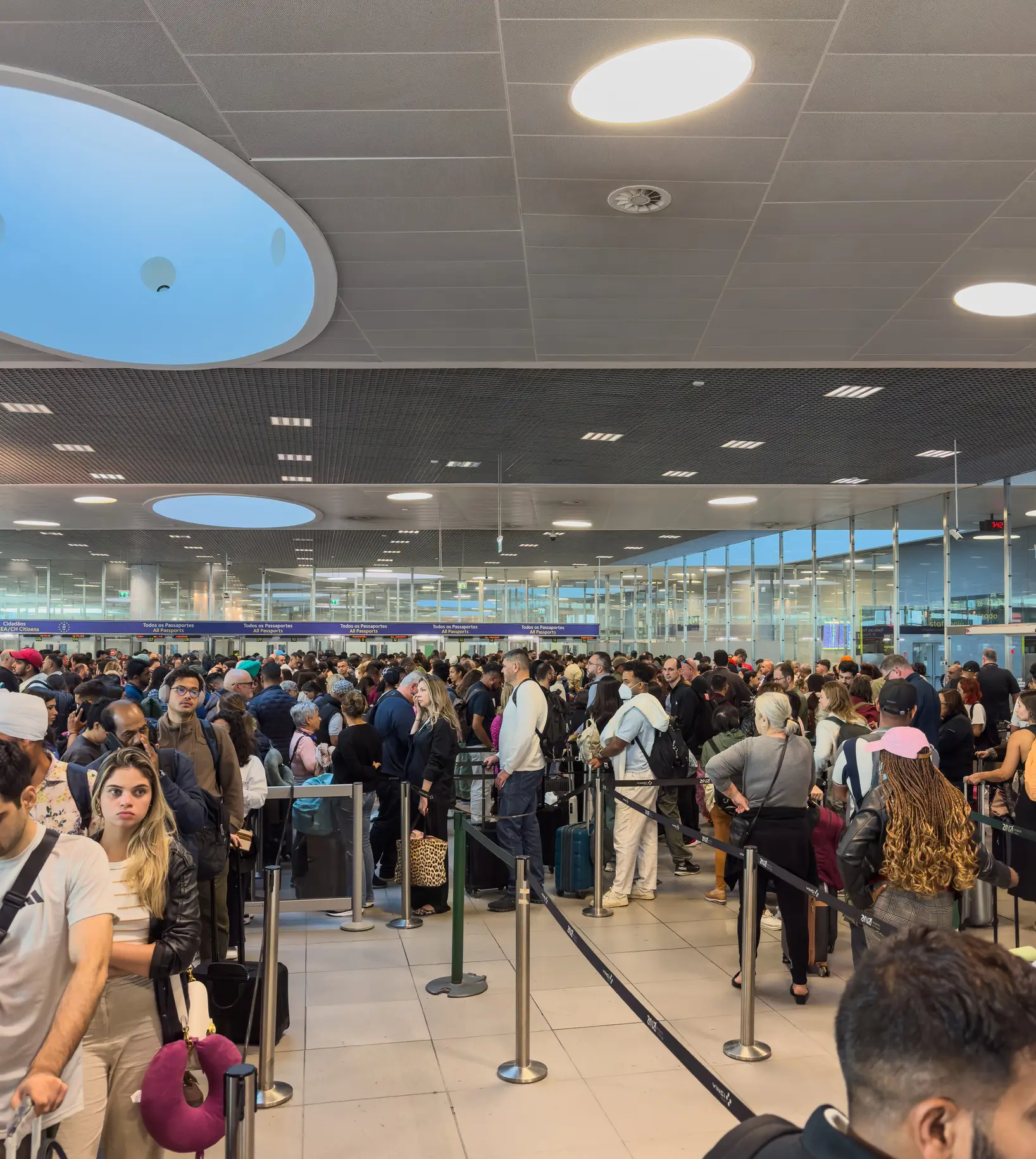
Expect delays
Mayfield added to 'keep in mind that if you miss a flight due to delays caused by the EES or fail to carry the correct documents, you may not be able to recover the cost'.
“Airlines and airports are unlikely to cover additional flight expenses. Travel insurance may not reimburse you either, which could leave you out of pocket," she said.
“The new ESS may cause delays but travel insurance won’t cover these. However, having a policy is still essential. It could protect you if your trip is cancelled or delayed due to severe weather or strikes.
“Travel insurance also covers medical emergencies abroad and lost or stolen baggage. As policies vary, compare travel insurance options to find the right cover for you.”
While it began a phased rollout in October 2025 across many European airports, the deadline for EES across all Schengen area borders has been set at 10 April, 2026.
Countries introducing the EES system
The following 25 EU countries in the Schengen Area, and four other nations not part of the EU, will use the EES:
• Austria
• Belgium
• Bulgaria
• Croatia
• Czech Republic
• Denmark
• Estonia
• Finland
• France
• Germany
• Greece
• Hungary
• Iceland
• Italy
• Latvia
• Liechtenstein
• Lithuania
• Luxembourg
• Malta
• Netherlands
• Norway
• Poland
• Portugal
• Romania
• Slovakia
• Slovenia
• Spain
• Sweden
• Switzerland
Ireland and Cyprus will still use manual passport stamping.
 Anish Vij