Surprising new vitamin C clue linked to brain changes seen in Alzheimer's

Japanese scientists are quietly determining how our diets influence the human brain.
In a study conducted at Hirosaki University under the watchful eye of Haruka Nagaya, and newly published in the open access journal PLOS One, it was found that people with lower levels of vitamin C in their blood tended to harbour less gray matter and weaker connections inside the cerebral network associated with memory.
Preceding research insinuated that those who consume more vitamin C are way less likely to encounter cognitive issues later in life, and yet before now, there's been little scientific evidence confirming that vitamin C measured in the blood are directly consequencing changes in the brain.
Advert
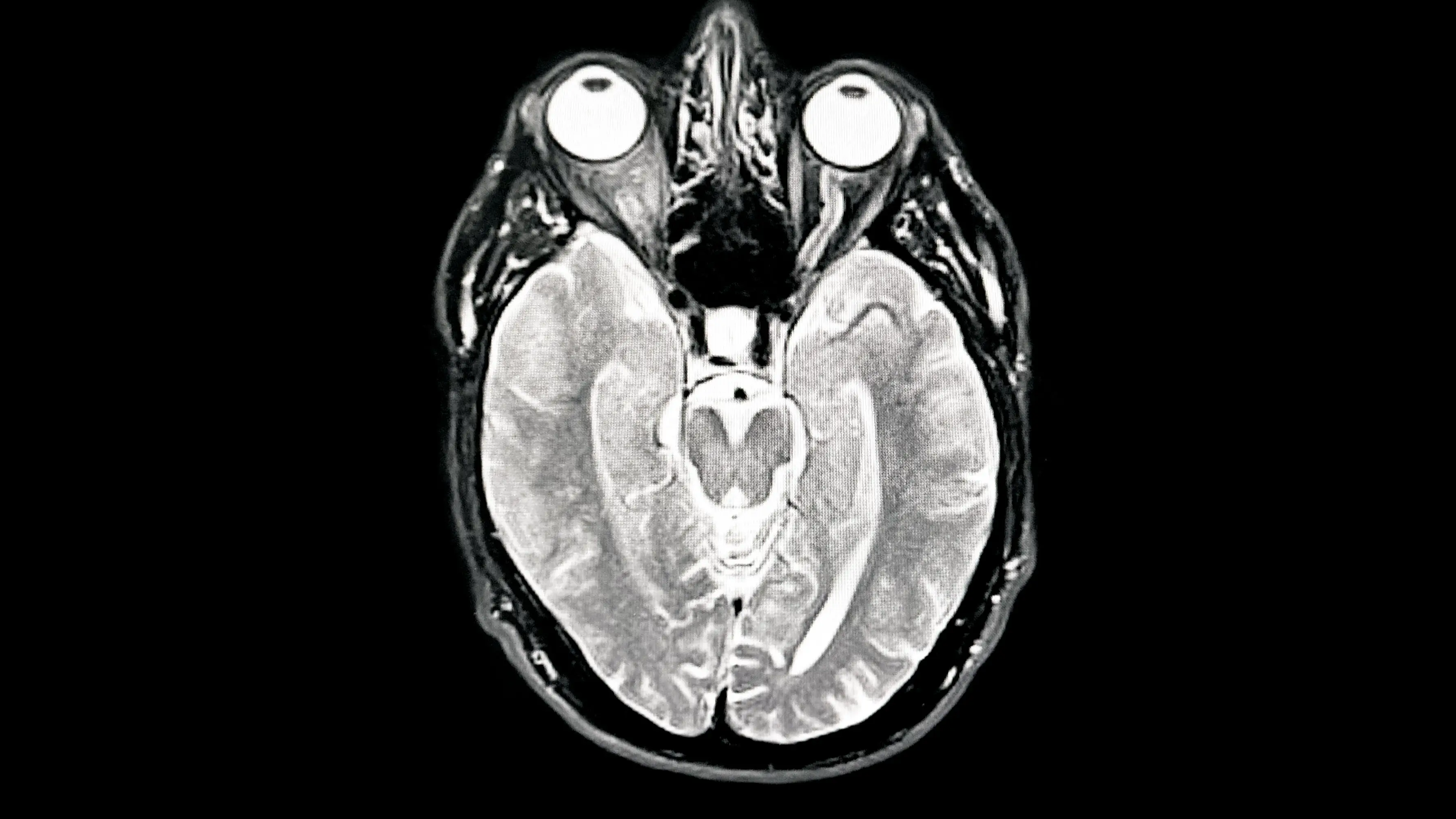
Nagaya and his team analysed MRI scans and blood plasma samples from 2,044 Japanese citizens aged at least 64.

They scrutinised the amount of gray and white matter in each person's brain while taking into consideration the different brain sizes on display.
Connectivity inside the 'default mode network' was also examined, which is the sector of the brain where memory and attention are most looked after.
Having adjusted their investigations when it came to age, education and physical status, the university's researchers happened upon a throughline - participants with lower plasma vitamin C had reduced gray matter and flimsy connectivity within the default mode network.
These findings tell us that maintaining strong vitamin C levels could perhaps help to strengthen cognitive function and protect the brain's natural ageing.
It's important to note, though, that Nagaya's team did reiterate that this was merely observational.
They could not unquestionably determine whether or not the vitamin definitively causes such differences in brain function; more research needs to be completed before they start to bet their houses on that notion.
One of the researchers, Tomohiro Shintaku, commented: "Our study demonstrates that higher plasma vitamin C levels are associated with better preserved structural connectivity of the default mode network (DMN), a key brain network involved in cognitive function.
"This finding generates the exciting hypothesis that a diet rich in vitamin C might play a supportive role in maintaining brain health and mitigating age-related cognitive decline in older adults.
"What I found most fascinating about this research is that we were able to detect these subtle but significant associations between a single nutritional factor and large-scale brain networks by utilising a robust, community-based cohort of over 2,000 older adults. It truly highlights the potential impact of our everyday dietary habits on our brain structures."
Topics: Health, Science, Food And Drink
 Dan Seddon