• iconNews
  • videos
  • entertainment
  • Home
  • News
    • UK News
    • US News
    • Australia
    • Ireland
    • World News
    • Weird News
    • Viral News
    • Sport
    • Technology
    • Science
    • True Crime
    • Travel
  • Entertainment
    • Celebrity
    • TV & Film
    • Netflix
    • Music
    • Gaming
    • TikTok
  • LAD Originals
    • FFS PRODUCTIONS
    • Say Maaate to a Mate
    • Daily Ladness
    • UOKM8?
    • FreeToBe
    • Citizen Reef
  • Advertise
  • Terms
  • Privacy & Cookies
  • LADbible Group
  • UNILAD
  • SPORTbible
  • GAMINGbible
  • Tyla
  • UNILAD Tech
  • FOODbible
  • License Our Content
  • About Us & Contact
  • Jobs
  • Latest
  • Topics A-Z
  • Authors
Facebook
Instagram
X
Threads
Snapchat
TikTok
YouTube

LAD Entertainment

YouTube

LAD Stories

Submit Your Content
NHS warning for people taking Vitamin D over its worrying consequences

Home> News> Health

Published 18:47 22 Jan 2026 GMT

NHS warning for people taking Vitamin D over its worrying consequences

One in six adults takes a Vitamin D supplement

Anish Vij

Anish Vij

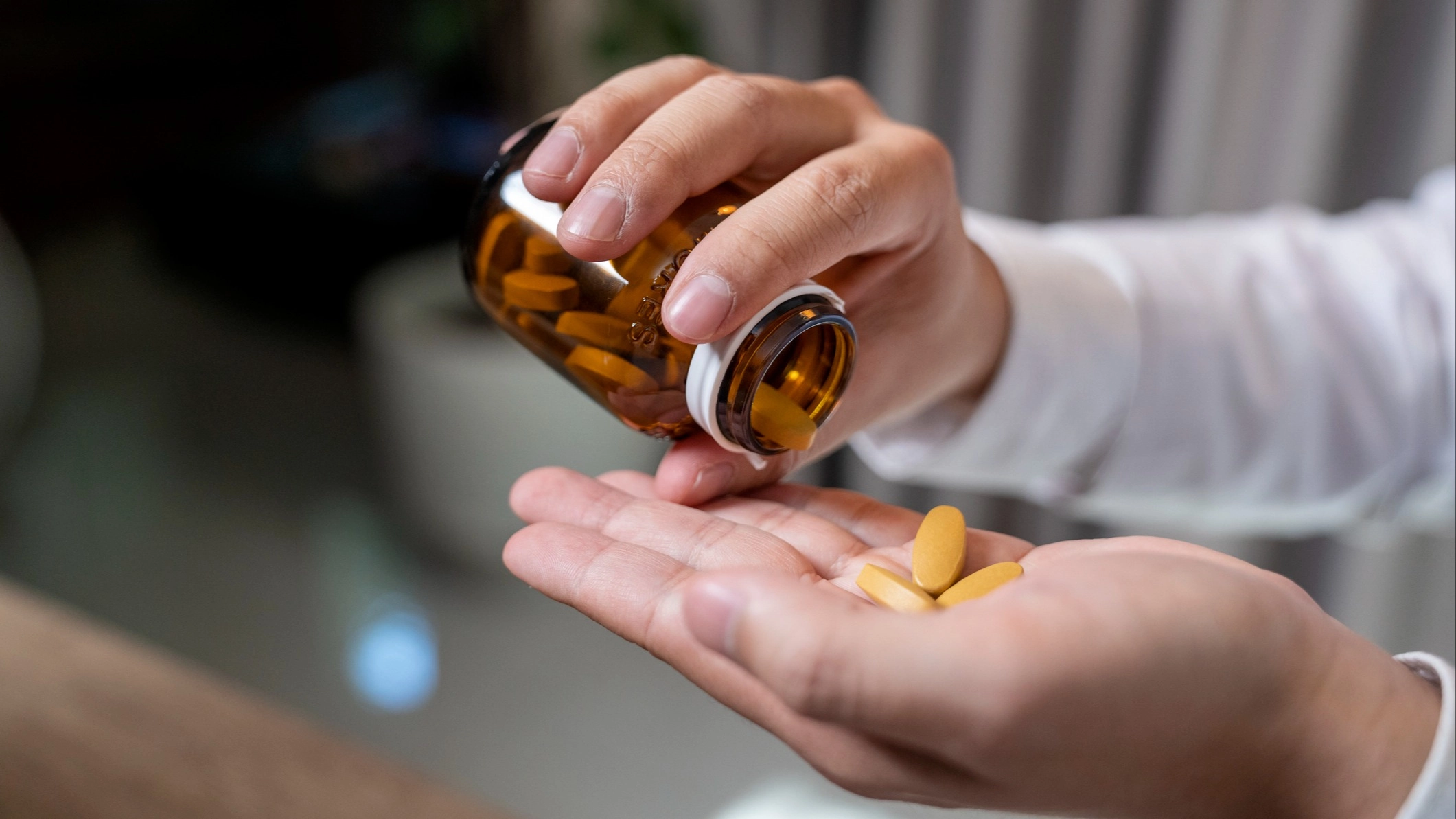
The NHS has reminded people who take Vitamin D tablets to check their dosages to avoid health problems.

Vitamin D is naturally produced by the sun and is needed to keep bones, teeth and muscles healthy. A lack of vitamin D can lead to bone deformities in children and bone pain in adults, a condition known as osteomalacia.

But because there's barely any sunlight in autumn and winter, government advice is that everyone should consider taking a daily vitamin D supplement during those months.

A study released last year found that around 50 per cent of Brits had low vitamin D levels, with one in six people reported to be taking supplements.

Advert

Children aged one to four are at risk of not getting enough vitamin D and need 10 micrograms (mcg) a day, according to the health service.

That dosage is also recommended for everyone, including pregnant and breastfeeding women.

Vitamin D comes naturally from the sun (Getty Stock Images)

"Between late March or early April to the end of September, most people can make all the vitamin D they need through sunlight on their skin and from a balanced diet," the NHS said. "You may choose not to take a vitamin D supplement during these months."

However, they have also warned not to exceed a dosage of more than 100 micrograms as it could be harmful, adding: "This applies to adults, including pregnant and breastfeeding women and the elderly, and children aged 11 to 17 years."

As for other ways to ensure you get enough vitamin D in your day-to-day life, your diet could be a good place to start.

Jana Abelovska, a former Superintendent Pharmacist at Click Pharmacy, explained to Surrey Live: "The best way to get vitamin D is through your diet, supported by supplements like tablets, capsules, gummies or sprays that you use directly into your mouth.

"Vitamin D is fat soluble, which means that it is absorbed into the body along with fat - this means taking your vitamin D supplement with food that contains some healthy fats, such as nuts or yoghurt, will help your body absorb it much better.
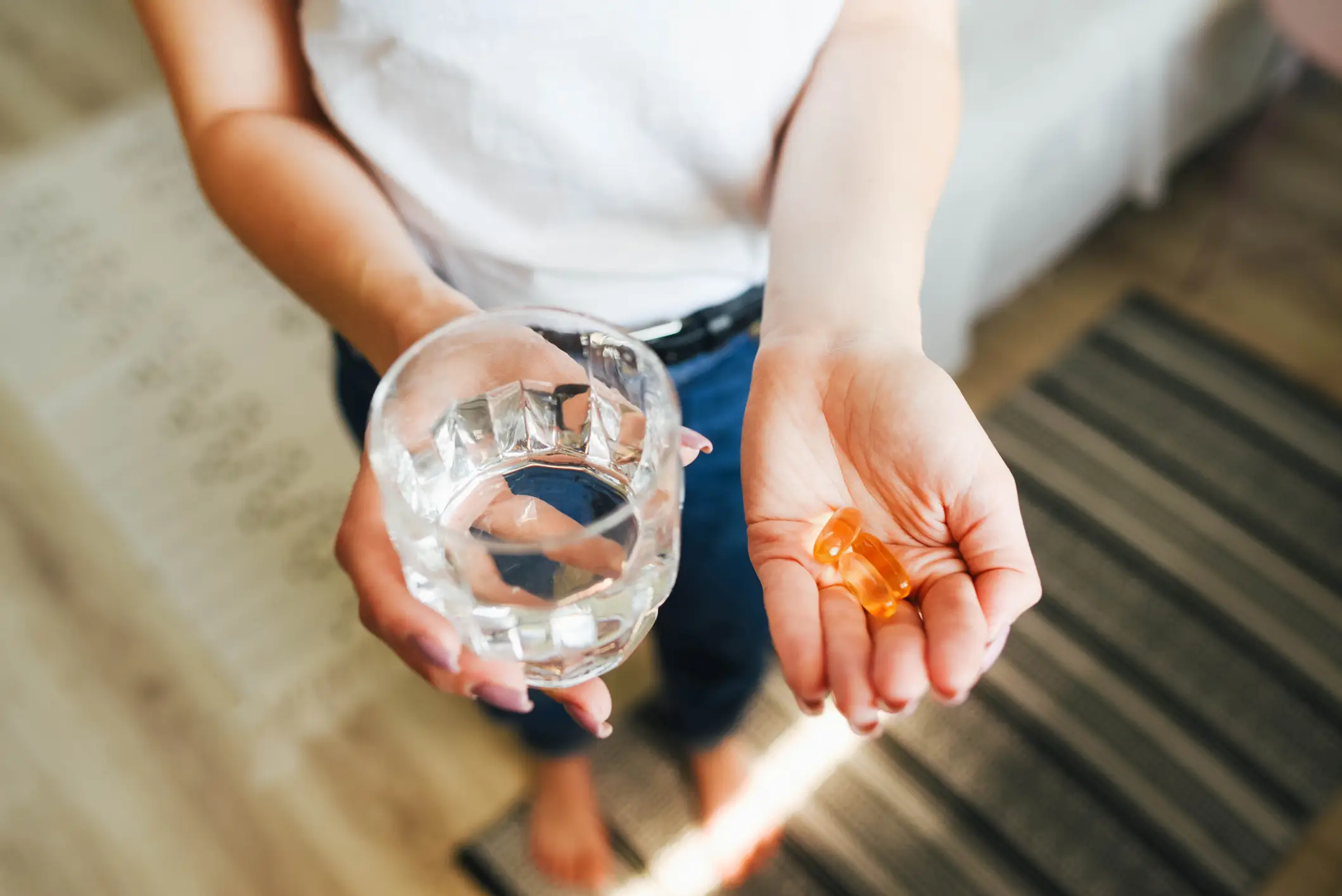
Those who take vitamin D supplements should always watch their dosage levels (Getty Stock Images)

"The recommended daily amount of vitamin D for adults aged between 19 and 70 is 15 mcg which is 600 IU or International Units, a unit used to measure vitamins. It's really common to take vitamin D supplements, especially as many of us will not get enough vitamin D from sunlight or food alone."

Though the health expert warned that too much vitamin D can 'build up in your body' if you take too much.

She said: "Don't take too much vitamin D. Because it's a fat-soluble vitamin, it can build up in your body easier than other vitamins.

"Taking too much vitamin D long term can lead to hypercalcemia, an excess of calcium in the body, which can cause problems with your heart, kidneys and bones."

The NHS also states that certain health conditions may make it difficult to safely take as much, so if you are in doubt, they advise consulting a doctor.

Featured Image Credit: Getty Stock Images

Topics: NHS, Health, Food And Drink

Anish Vij
Anish Vij

Anish is a Journalist at LADbible Group and is a GG2 Young Journalist of the Year 2025. He has a Master's degree in Multimedia Journalism and a Bachelor's degree in International Business Management. Apart from that, his life revolves around the ‘Four F’s’ - family, friends, football and food. Email: [email protected]

X

@Anish_Vij

Advert

Advert

Advert

Choose your content:

an hour ago
2 hours ago
3 hours ago
  • Ben Birchall/PA Wire
    an hour ago

    Neighbour reveals horrors she witnessed as British mum-of-10 enslaved young woman for 25 years

    The mum claimed she saw the victim being abused by Amanda Wixon

    News
  • David Livingston/Getty Images
    an hour ago

    Crucial police mistakes that delayed the rescue of kidnapped child Elizabeth Smart

    Cops involved in the high-profile case admitted they 'have regrets' about how the investigation was handled

    News
  • Getty Stock Image
    2 hours ago

    Scientist claims to have found the exact location of Heaven

    A Harvard scientist claimed that there may be a 'heaven' beyond space

    News
  • TikTok/@_izabellamarie
    3 hours ago

    15-year-old mother who got pregnant by 13-year-old hits back at people saying she’s being ‘exploited’

    They've faced a lot of backlash about their decision to keep the baby

    News
  • Cambridge scientist's five natural alternatives to omeprazole amid NHS safety warning
  • Doctor explains worrying side effects of taking omeprazole long term as NHS issue warning
  • What an NHS critical incident could mean for you as four hospital trusts declare emergency
  • Doctors warning over unique symptoms as 'new strain' of flu sweeps across UK