Your reusable water bottle may contain more bacteria than you realise, an expert explains

The emotional support water bottle has become a very real thing in recent years.
We're constantly being told to drink more water, with adults generally advised to consume around two litres a day, so it's no surprise that giant reusable bottles have become an everyday essential.
Whether it's coming with us to work, the gym, on dog walks, long car journeys, or even sitting beside us on the sofa while we binge-watch our fave series, our trusty water bottle is never far away.
The explosion in popularity of Stanley Cups hasn't exactly hurt either, with celebrities including Taylor Swift, Olivia Rodrigo and Molly-Mae Hague all being spotted carrying oversized tumblers.
Advert

But while many of us remember to refill our bottles throughout the day, cleaning them properly is often another story altogether.
And according to a microbiology expert, failing to wash your bottle regularly could leave you drinking alongside billions of bacteria.
Can bacteria grow in water bottles?
The short answer is yes.
Dr Bruno Silvester Lopes, Senior Lecturer in Microbiology at Teesside University, explained exactly why reusable bottles can become the perfect breeding ground for microbes.
"Bacteria grow in bottles due to moisture, warmth, and nutrients from saliva or drink residue. They form biofilms, a slimy layer made up of collections of microbes, such as bacteria, that stick to each other and on surfaces, especially if bottles aren’t cleaned regularly.
“The rim and mouthpiece are the areas where the concentration will be high due to frequent contact with the mouth. Other than that, crevices, straws, and caps also trap moisture and bacteria."
In other words, every sip can introduce new bacteria into your bottle, while leftover moisture helps them thrive.
And while the thought of a few bacteria might not sound too alarming, they can pose genuine health risks if bottles are neglected for long periods.
Dr Lopes explained: "Bacteria in water bottles can make us sick, especially if the bottle is not cleaned regularly.
“Every time we drink from a bottle, bacteria from our mouth are introduced into it. Combined with moisture and warmth, this creates an ideal environment for microbial growth. Biofilms are communities of microorganisms that attach to surfaces in wet environments and surround themselves with a protective, glue-like layer that forms inside bottles, particularly around lids, straws, threads and rubber seals."
He added: "Studies have found microorganisms such as E. coli, Staphylococcus species, Pseudomonas species and moulds in poorly cleaned or unwashed water bottles. While these microorganisms do not usually cause illness in healthy individuals, they can increase the risk of gastrointestinal upset and may contribute to unpleasant tastes, odours or contamination of the bottle. People with weakened immune systems may be at greater risk of infection."
How do I know if there are bacteria in my water bottle?
Unfortunately, bacteria aren't always visible to the naked eye.
Dr Lopes explained that bacteria themselves are impossible to spot with the naked eye.
"We cannot reliably tell whether bacteria are present simply by looking, as they are microscopic. However, several warning signs may indicate microbial growth: a slimy film inside the bottle or around the lid; a musty, sour, or otherwise unpleasant odour; cloudy water, even when freshly filled; visible black or green mould; or changes in taste."
However, there are some warning signs that your bottle may be overdue a clean.
Dr Lopes said: "If the bottle is cracked, discoloured, scratched, has a lingering odour even after cleaning, or has visible mould or residue that doesn’t come off with cleaning, then it is a sign that bacteria may be deeply embedded, making it unsafe for use."
"If you notice any of these signs, the bottle should be thoroughly cleaned. If extensive mould growth is present and cannot be completely removed, replacing the bottle may be the safest option."
One of the biggest issues is the development of biofilm, which can create a protective layer for bacteria.
Explaining the process, Dr Lopes said: "Bacteria can utilise traces of food, which can include sugars and proteins, which act as a source of nutrition, promoting faster growth and biofilm formation. This creates a sticky layer that’s harder to clean and can harbour harmful microbes. Imagine biofilm like a LEGO city built by bacteria. Loose LEGO pieces are the bacteria, but as they stick together, they form a strong protective layer that is hard to remove, similar to a LEGO city that is more difficult to tear apart than a single brick.”
Do I still need to wash my water bottle if I only put water in it?
Hands up, who else is guilty of thinking that because your bottle has just had water in it, it only needs a quick rinse? Well, even if you're only filling your bottle with plain water, bacteria from your mouth can still be transferred every time you take a sip.
Dr Lopes said: "Even when we use a bottle only for water, bacteria from our mouths, hands and the surrounding environment can still enter and accumulate inside it. Regular cleaning is therefore important."
The moisture left inside the bottle, combined with bacteria introduced through drinking, can still encourage microbial growth if the bottle isn't cleaned regularly.
He added: "Particular attention should be given to rubber seals, straw mechanisms, flip caps, lid threads and other hard-to-reach areas, as these are common sites for moisture retention that greatly promote the growth of bacteria and moulds."
How long can water sit in a water bottle and still be good?
Water itself doesn't suddenly become unsafe after a certain number of hours, but the cleanliness of the bottle holding it is what matters most.
As bacteria from your mouth and the surrounding environment begin accumulating inside the bottle, the risk comes from contamination rather than the water itself.
This is particularly important if you frequently top up a bottle without properly washing it in between uses.
How quickly do bacteria grow in a water bottle?
The speed at which bacteria multiply may come as a surprise.
Dr Lopes explained: "Bacteria start multiplying in as short as 20 minutes and in 24 hours can reach to staggering billions or even trillions of cells. Warm temperatures, sugary drinks, and poor cleaning facilitate the growth of microbes. Sugary drinks are food for bacteria, which helps in accelerating their growth much more than plain water."
That means leaving a half-finished bottle sitting in a warm car or gym bag for hours could create ideal conditions for bacterial growth.
As for what might actually be living in your bottle, Dr Lopes said: "Staphylococcus, Streptococcus, Porphyromonas, Fusobacterium and Pseudomonas. While usually these bacteria are harmless, in immunocompromised people, they may cause infections, especially if they are ingested regularly from an unclean bottle."
How often should you be cleaning your water bottle?
If you're someone who gives your bottle a quick rinse every now and then and calls it a day, it might be time to rethink your routine.
According to Dr Lopes, daily cleaning is the safest option.
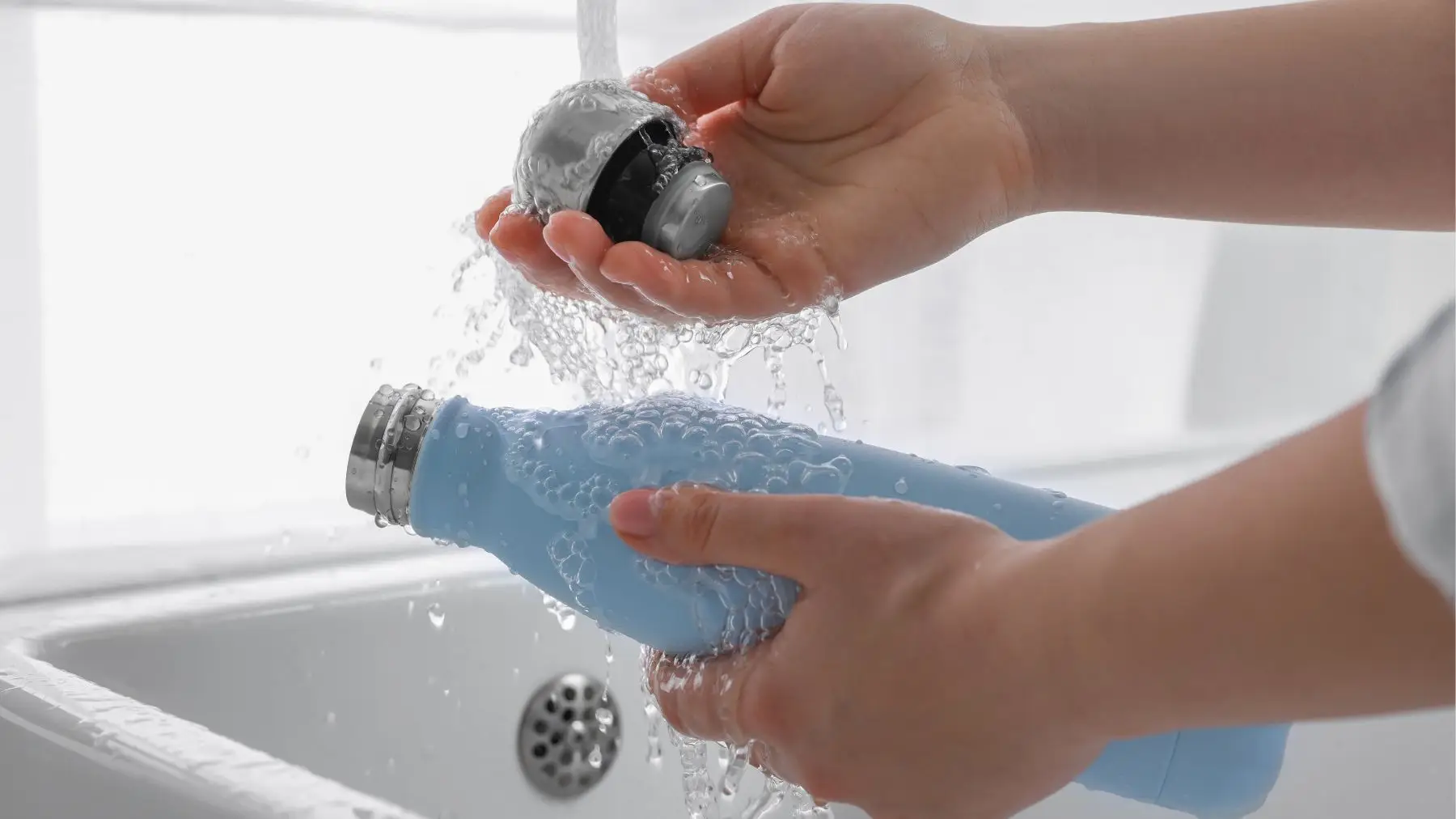
“Bottles should be rinsed and washed with hot, soapy water daily. A more thorough clean should be performed every two to three days, using a bottle brush and cleaning all removable parts, including the rim, cap and straw should be good to maintain the bottle's hygiene.”
“We should also sanitise bottles weekly, where appropriate for the bottle material, using methods such as boiling water, a food-safe sterilising solution or sterilising tablets according to the manufacturer's instructions.”
Vicloon Bottle & Brush 12-Piece Cleaning Set
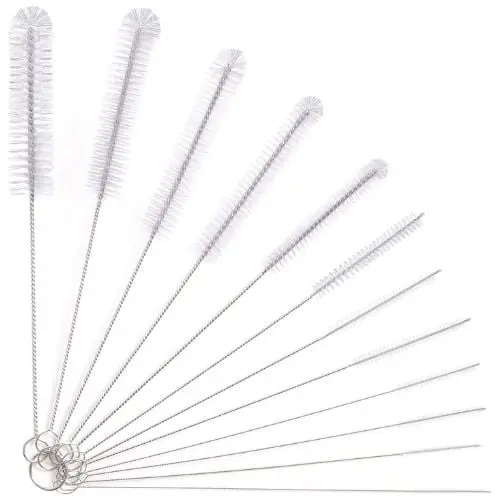
£3.69
Ben James, Stanley 1913's General Manager for EMEA, agrees that cleaning should be something you do daily.
"If your bottle or tumbler is part of your everyday routine, cleaning it should be too. Our recommendation is simple: clean your water bottle thoroughly before its first use, and every use thereafter. Once you've finished your drink, empty any remaining contents and wash it before using it again."
Given how often most of us use our bottles, cleaning them should really become part of the same routine as washing dishes or brushing our teeth.
What's the best way to clean a water bottle?
A proper clean involves much more than simply swilling some water around inside.
Dr Lopes recommends using warm soapy water every day and paying special attention to areas that are easy to miss, including lids, mouthpieces, seals and straws.
Ben James from Stanley 1913 agrees, and adds: “The best way to clean your water bottle is also the simplest. For everyday cleaning, warm water, mild dish soap and a soft sponge or cloth are all you need. We recommend avoiding abrasive cleaners or steel wool, which can damage the finish and stainless-steel surfaces."
Bottle design can also make a difference.
“Stainless steel and glass bottles are more hygienic than plastic. Bottles with straws, rubber seals, or narrow necks are harder to clean and can be less hygienic if these are not washed properly.”
If your water bottle has developed stubborn smells or stains, Ben adds:
"If you've noticed lingering odours or stains, a deeper clean using baking soda, white vinegar or lemon juice can help refresh your bottle. It's also important not to overlook lids, seals and gaskets, as these areas can collect moisture and residue over time."
He added: "A few simple cleaning habits can help keep your Stanley 1913 looking its best and delivering the durability, performance and reliability it's designed for."
For extra peace of mind, you can actually get bottles with self-cleaning and filtration technology, like the Larq PureVis 2, which eliminates 99.999% of Salmonella and E.coli and removes chlorine, pharmaceuticals and PFOA/PFOS, all while improving the taste of water and keeping it cool, too.
LARQ Bottle PureVis 2
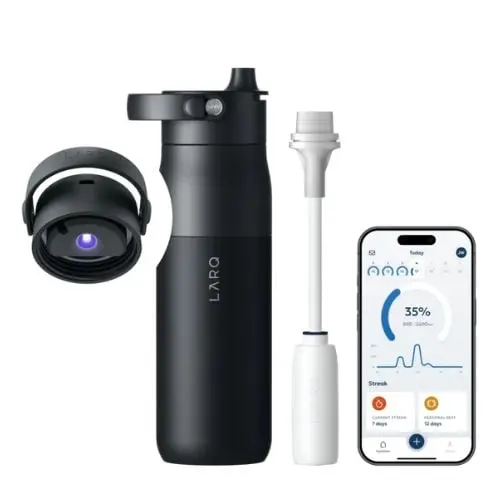
£129
So, while your emotional support water bottle might be helping you stay hydrated, it could also be harbouring far more than water if it's not cleaned properly.
If your water bottle has seen better days and could do with an upgrade, check out these options:
Stanley 1913 Quencher H2.0 Flowstate Tumbler, 1.2L
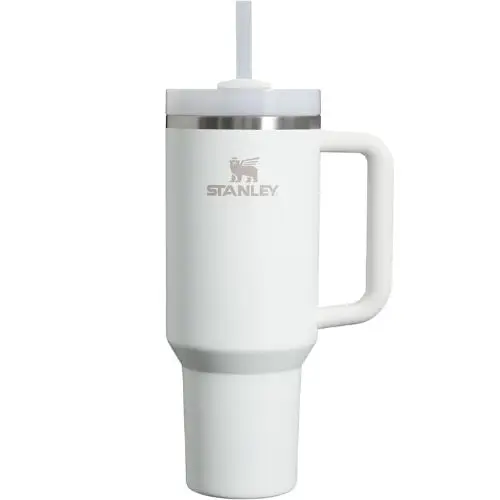
£42.84
HYDRO FLASK Wide Mouth Water Bottle, 946 ml
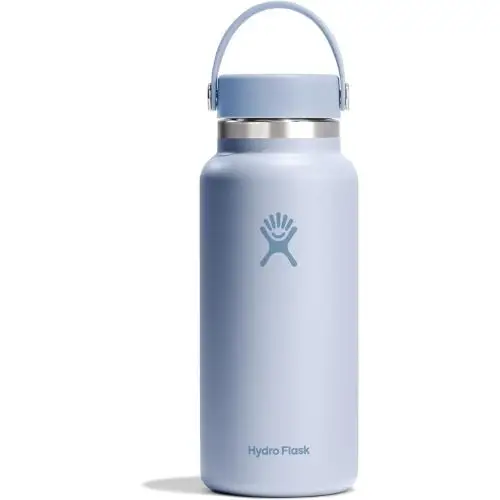
£34
Owala FreeSip Insulated Stainless Steel Water Bottle, 710ml
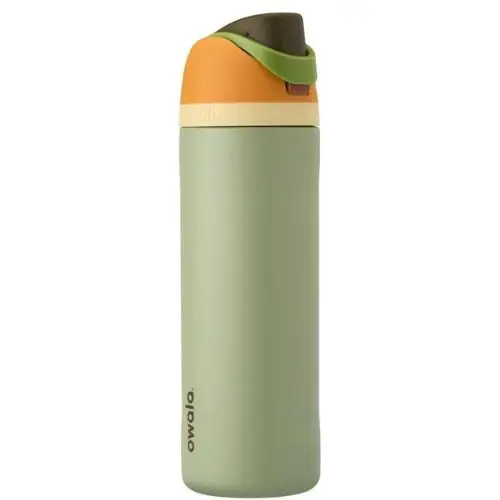
£31.99
Bambaw Non-Insulated Stainless Steel Water Bottle, 1000ml
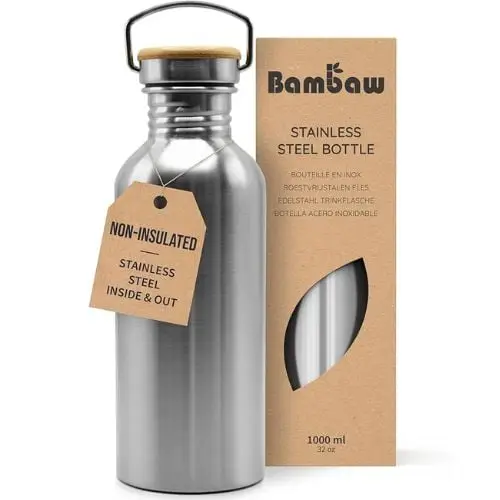
£16.95
Chilly's Series 2 Water Bottle, 500ml
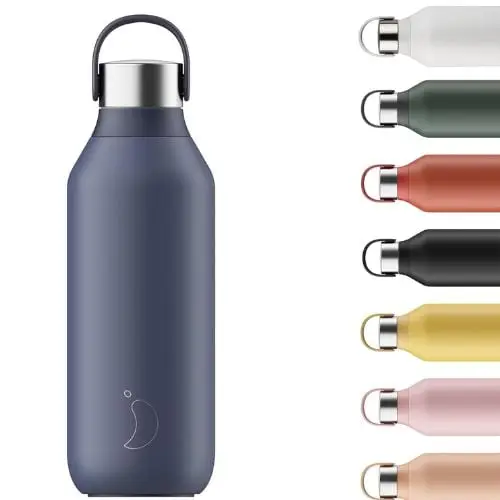
£32
WATERH Boost Smart Water Bottle, 946ml
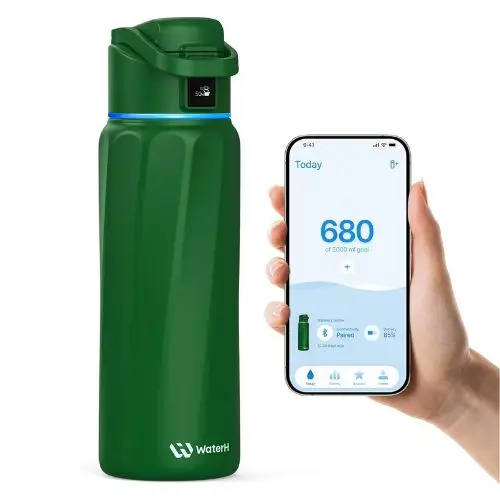
£54.99
bottlebottle Stainless Steel Water Bottle, 700ml
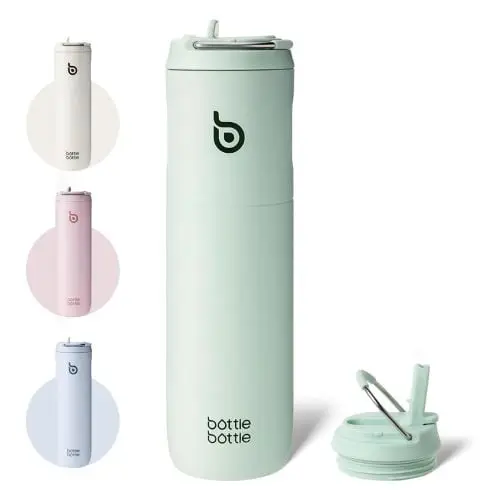
£22.99
Just make sure you give these a good scrub after every use. A few minutes with warm, soapy water each day is enough to stop those unwanted nasties from joining you for your next sip.
Topics: Food And Drink, Science
 Rosie Floyd