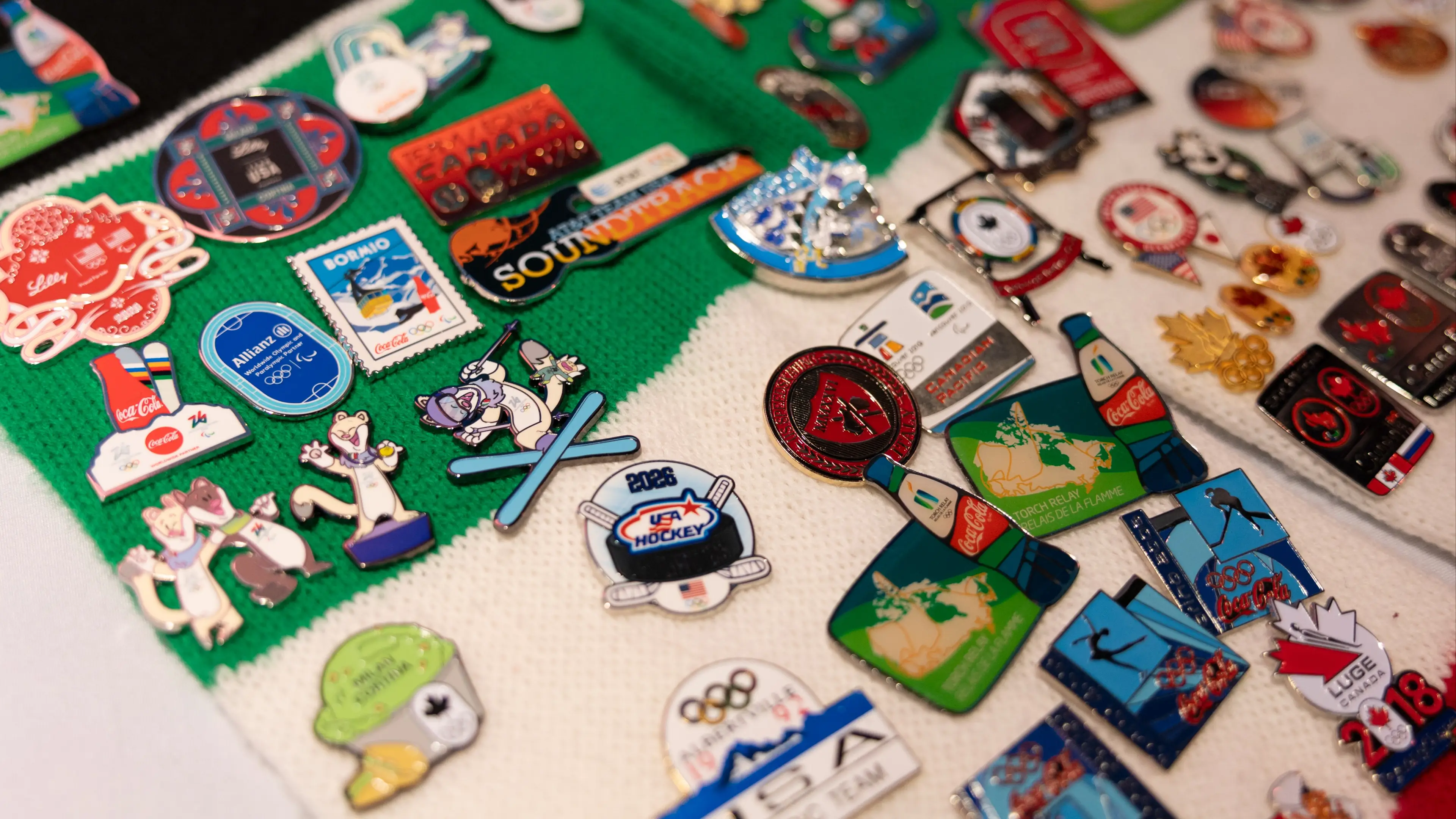
Pin trading has taken over the Winter Olympics as an unofficial sport

Every couple of years the Olympics rolls around to unite a world that rarely agrees on anything, and with it comes a familiar obsession: pin trading.
In Milano Cortina this year, fans size you up the moment you step inside a venue, eyes darting to your lanyard. Athletes roam the Village ready to trade a tiny slice of home, while there's an official exchange and pin events for collectors looking to lock in their Olympic mementos.
It’s a small ritual, but one that turns individual moments into something shared.
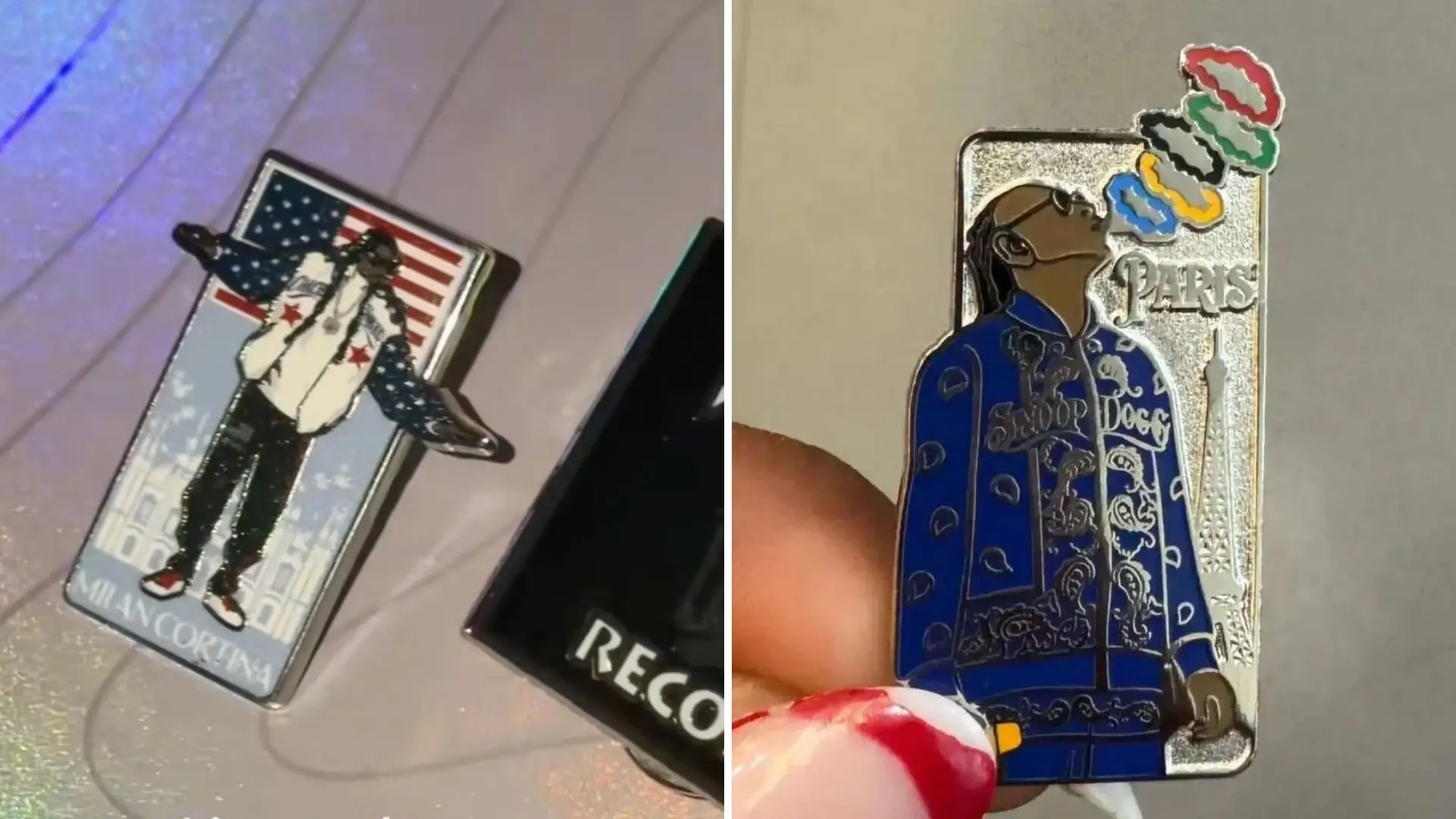
Celebrities are hooked. Novak Djokovic and Tom Brady have both been getting in on it, while Snoop Dogg was busy droppin’ limited-edition pins at Team USA HQ.
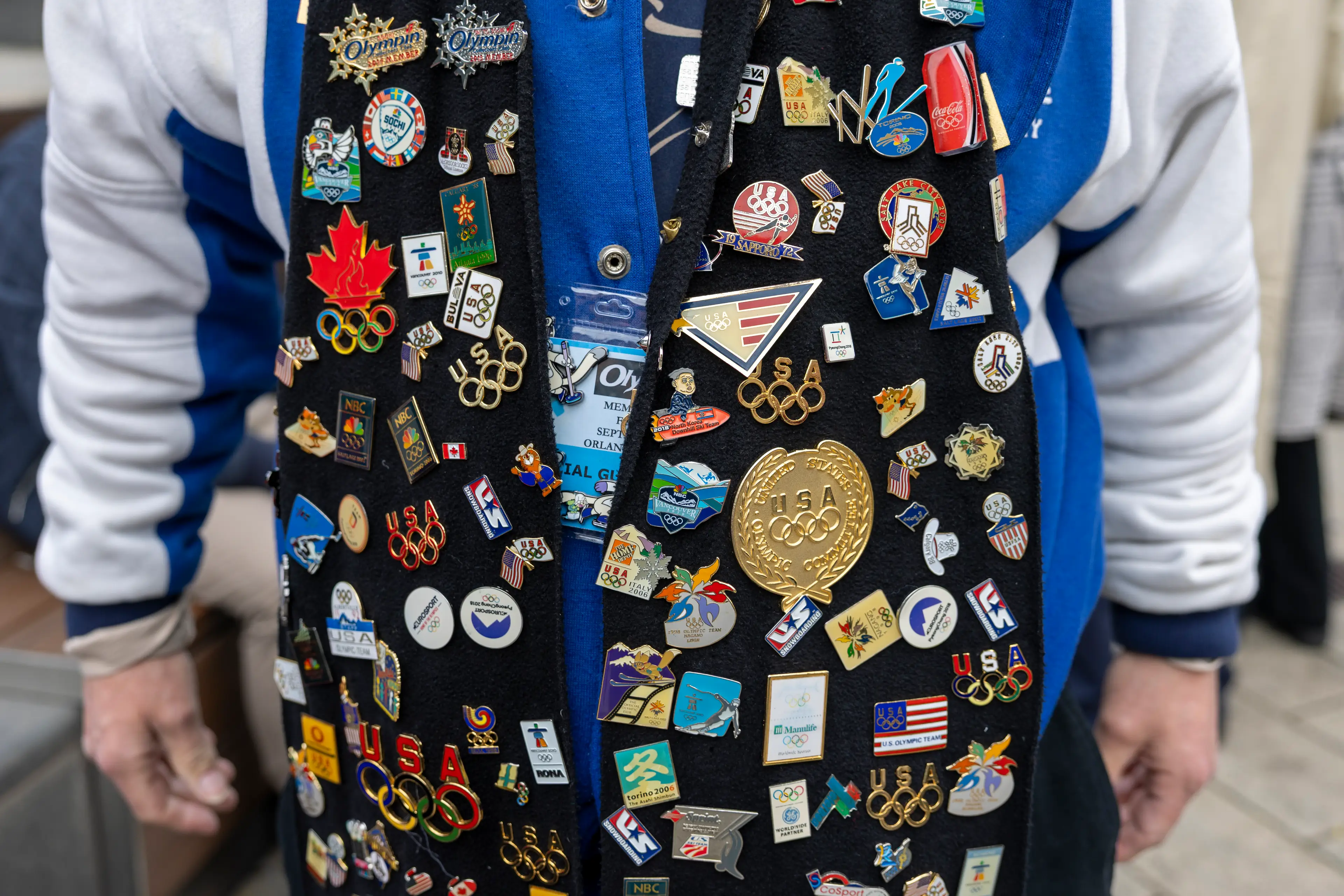
But it’s not just the famous faces. Dedicated collectors plan entire trips around the tradition, travelling between Games in search of rare swaps. Universe Sports reports that one American pin hunter has attended 12 Games with one mission: to secure as many pins as possible.
At this point, pin trading isn’t a niche hobby - it’s an unofficial Olympic sport. And unlike the medal table, it doesn’t end when you leave the arena.
Figure skater and two-time Olympian Olivia Smart, who represents Spain, agrees.
“Pin collecting at the Olympics is a competition on its own,” she tells LADbible. “It’s become very competitive and even a bit aggressive - even the volunteers and fans have learnt the pin game here in Milan.”
Representing Spain - a smaller team at the Games - has made her pins particularly sought-after. “There are fewer Spanish pins out there, so ours is a hot one,” she adds.
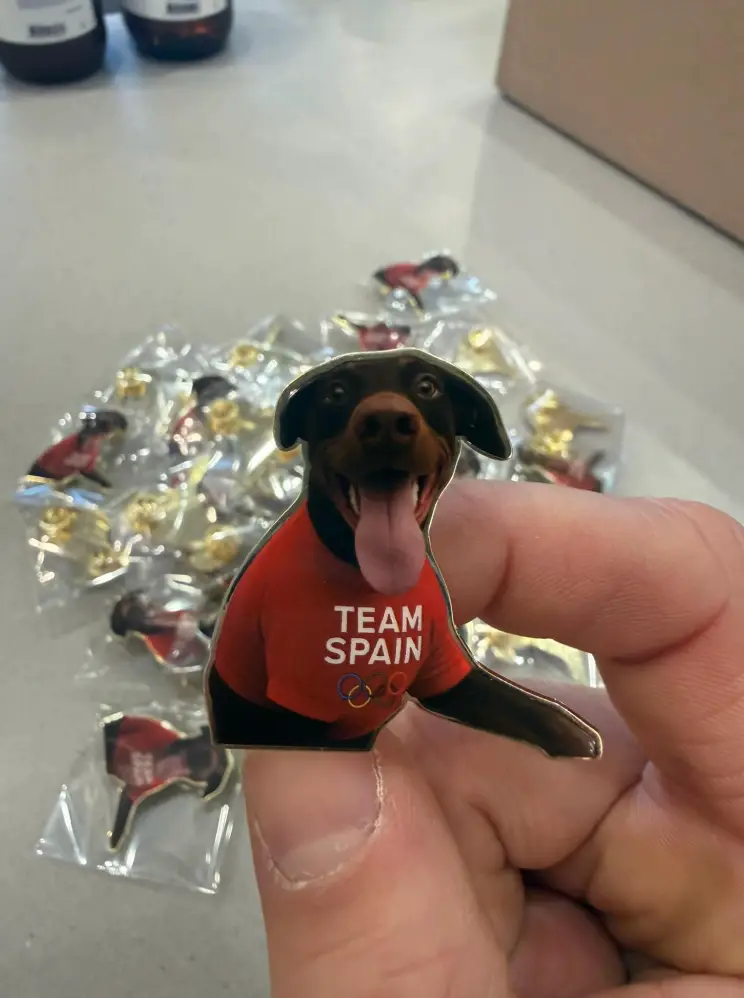
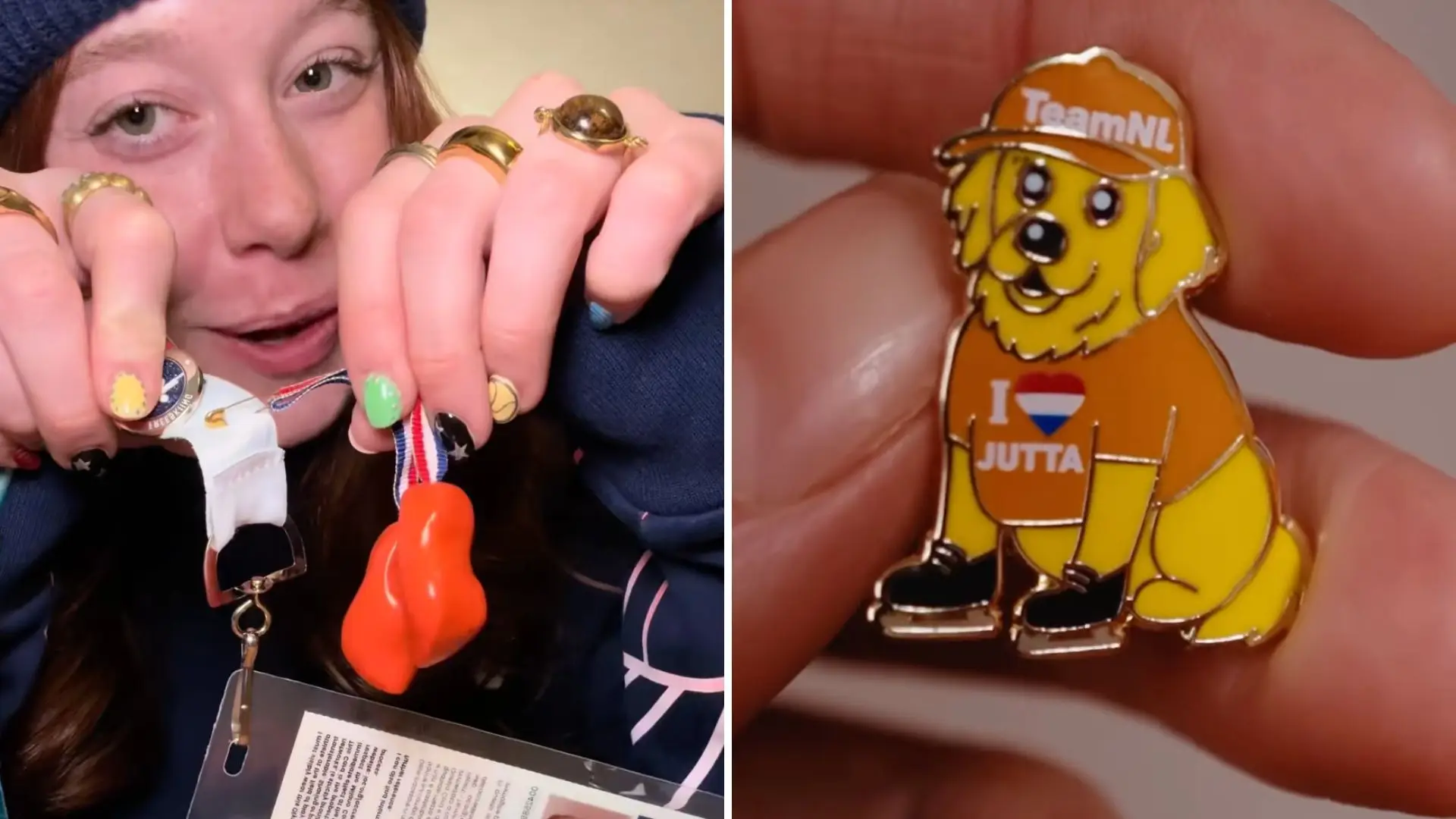
Olivia even created her own limited run of custom pins featuring her dog, Linda. “We only had 30 made, so it’s been challenging trading with the right people for the right pins,” she says. “There’s even people who stand outside the Village entrance waiting to trade.”
The Olympic pin trading etiquette
The etiquette is fairly simple. You rock up with your national pins hanging from a lanyard and fellow collectors will clock what you’ve got before approaching for a trade.
If it's not on show then it's not available and once both parties are happy, boom, you've got yourself a deal.
But not all pins are created equal. Some carry serious weight in athlete circles.
Just like Olivia’s national pin and ultra-rare Linda badge, some designs carry serious status.
Team Netherlands’ clog is hot property, while two Saudi Arabian athletes reportedly have pins made from white gold.
Speed skater Jutta Leerdam has her own in-demand personal pet currency too - a design featuring her golden retriever Thor, who she shares with Jake Paul.
Where the Olympic pin tradition all started
And while it might look like a modern craze fuelled by TikTok videos and celebrity cameos, pin trading has been part of the Games for more than a century.
It stretches back to 1892, when athletes traded paper pins, but was officially enshrined in the Games by Coca-Cola.
It was made official at the 1988 Calgary Winter Olympics, where it gained wider spectator fandom.
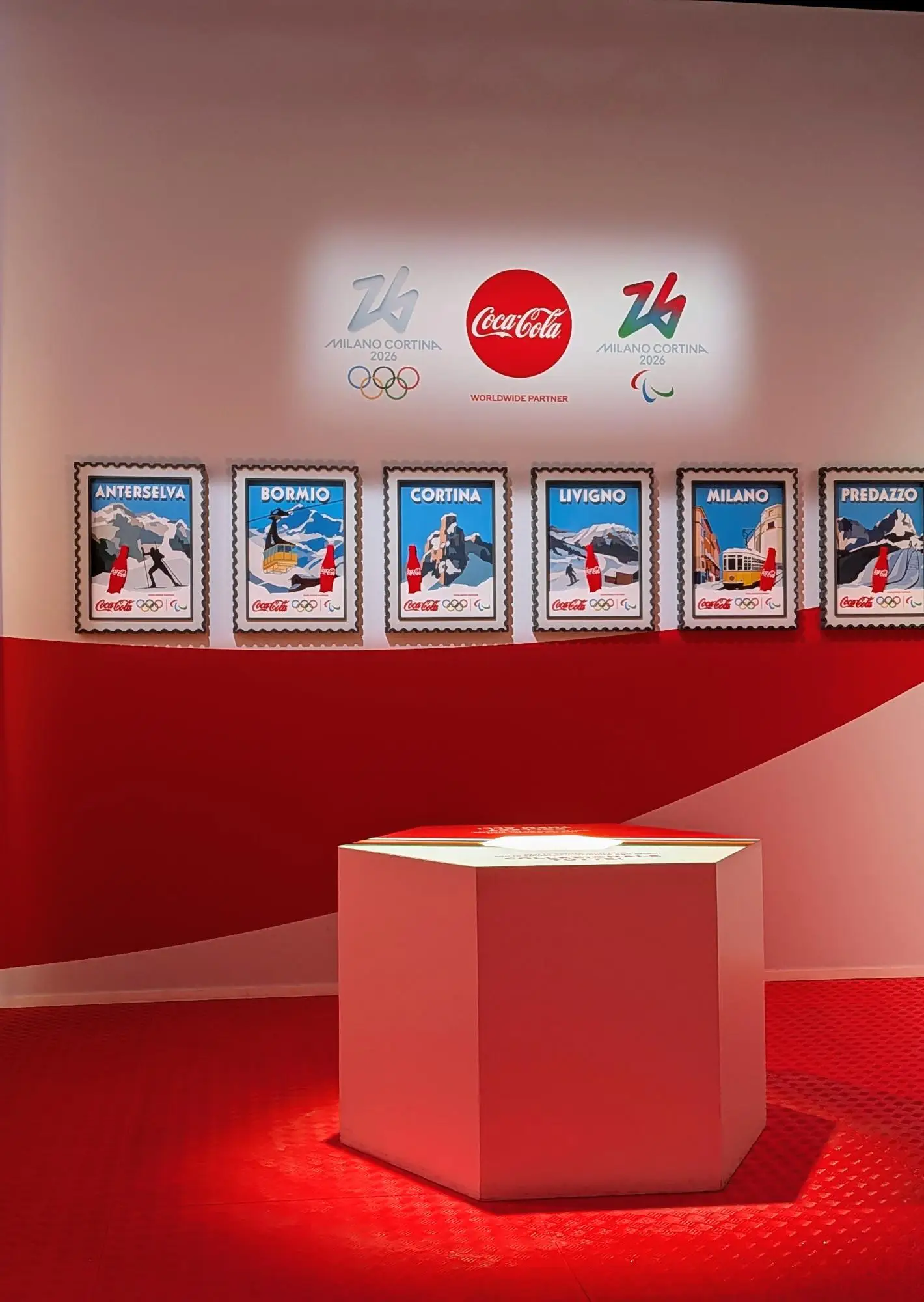
The brand - which arrived in Italy armed with its own collectible postage stamp designs, available in the Villages and its The Peak installation in Milan - has a unique partnership with the Games.
It will mark 100 years of the bond at the 2028 summer Olympics in LA. That milestone alone is likely to make its pins hot property.
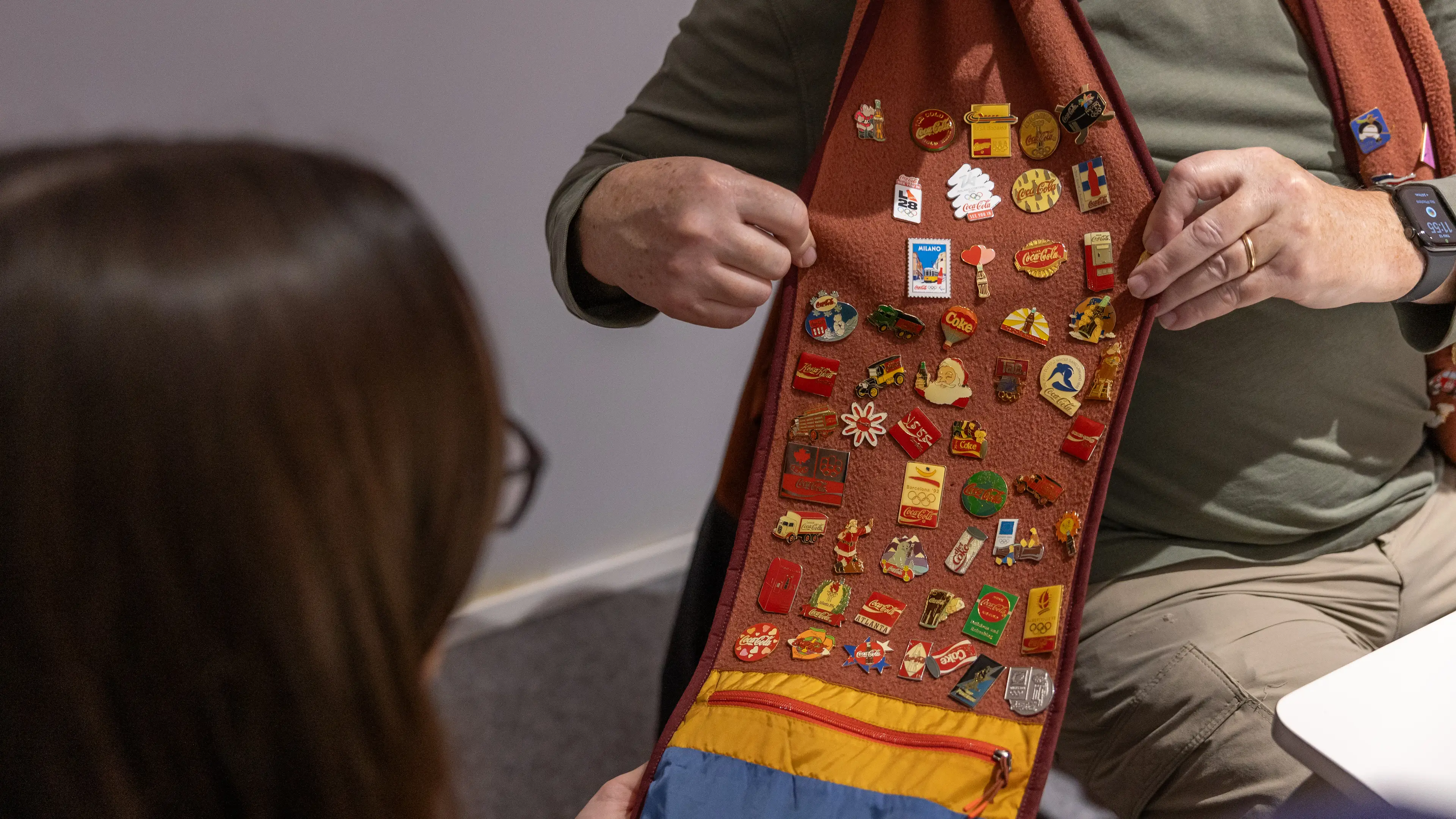
But beyond the collecting frenzy, the appeal of pin trading runs deeper. As Coca-Cola’s President and European CMO Javier Meza tells LADbible in Milan, the Olympics are defined by “moments of solidarity and fair play” - something a simple pin swap and shared experience between people quietly captures.
So in a Games built on national pride and medal counts, it’s a memorable, yet simple tradition that cuts through the ever-changing amplification of the Games.
A badge swap between strangers becomes a handshake between nations - a pocket-sized reminder that, for a few weeks at least, the world feels a little closer together.
Topics: Olympics, Winter Olympics, Snoop Dogg, Jake Paul
 Ben Smith