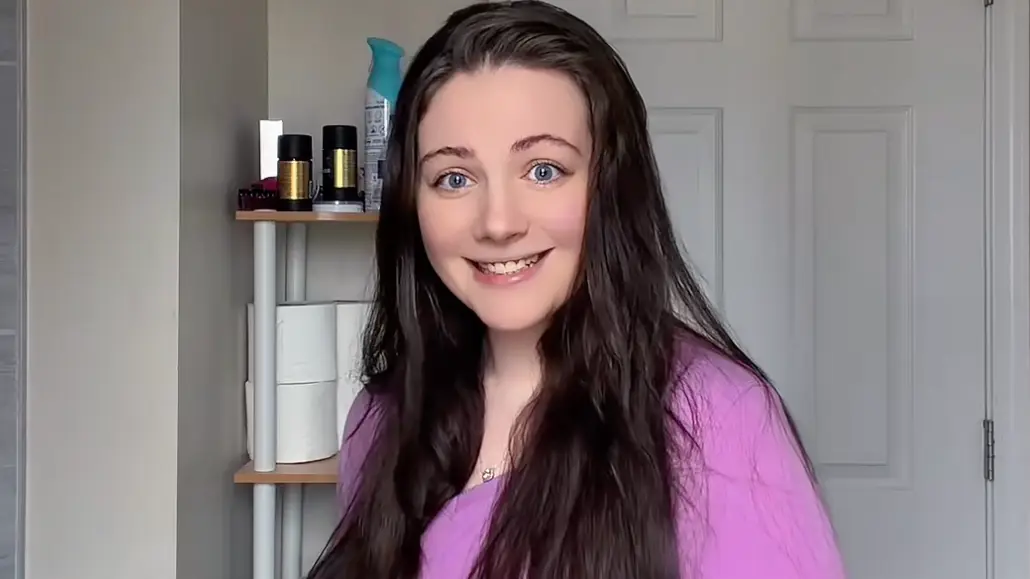
Woman who discovered she had Down syndrome aged 23 explains how she was diagnosed

A woman who was diagnosed with a rare form of Down syndrome has said that she had ‘a lot of health complications’ prior to receiving her diagnosis.
Mother-of-four Ashley Zambelli, who lives in Michigan, USA, found out she had Mosaic Down Syndrome aged 23.
Now 26, she has shared her story on TikTok, explaining what led to her diagnosis.
In a video, she said: “I was diagnosed with Mosaic Down syndrome at the age of 23. I am 26 now. How did I get that diagnosis? What led me there? Well, I'll tell you.”
Advert
“Back in 2019, I had a missed miscarriage that resulted in needing an emergency D&C (in which the uterine lining is scraped) and at the place I was at, it was protocol for them to do genetic testing on tissue that they take from that D&C.”
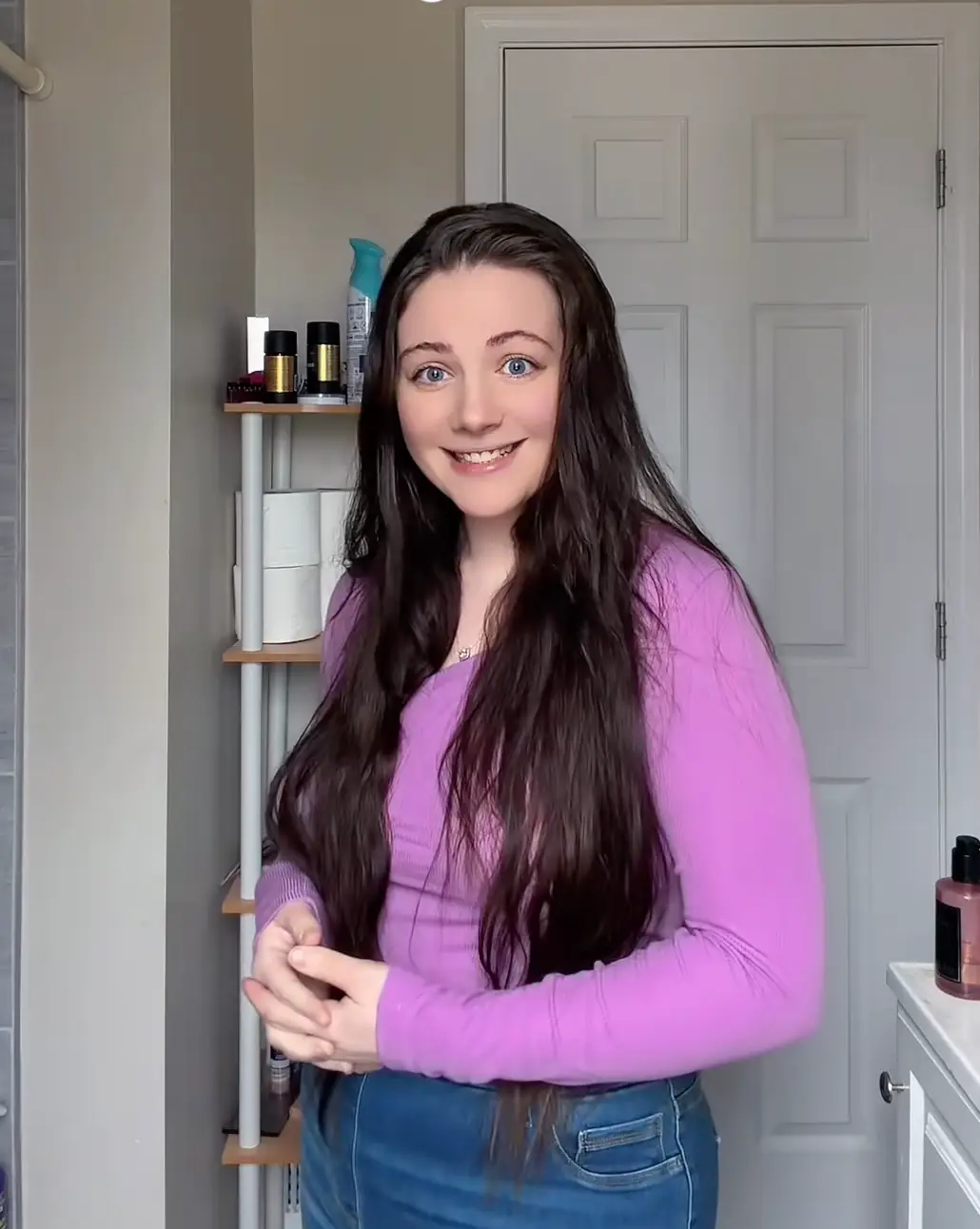
She said the tests came back saying that the baby she and her husband, Taylor, had lost, a boy, had Trisomy 21, the genetic profile for Down syndrome.
In 2020, she gave birth to their first child, a little girl, and she was born with Down syndrome. Their second daughter was typical, while their third daughter was also born with Trisomy 21.
She explained: “Now, when we got the news around, I think it was 12 weeks-ish from the NIPT (Non-invasive prenatal testing) test that she was high risk for Trisomy 21, that's when like little bells were dinging for my OBGYN. She told me she was like, ‘I've never had like any patient of mine have this many positive test results for their pregnancy, their baby having Trisomy 21.”
“She's like, I really think you should get genetic testing. Like, I can refer you. You can speak to a genetic counselor. So I did. I went through that whole process, and it was a lengthy process. I think I was, you know, doing testing for about three months.”
Tests she had done included Karyotype and FISH testing, and she also had a Buccal smear test
The process involved her having Karyotype (which checks chromosomes in your cells) and FISH (Fluorescence In Situ Hybridization) testing, which she explained: “Both of those came up negative for me. All the blood testing that they did, negative, nothing. My chromosomes were that of a typical person in my blood.
“They were still not convinced. They really thought that I had Mosaicism, so they ended up doing a Buccal smear, which is where they take a swab and they swab your Buccal cells, which are the tissue cells inside of your cheek. Apparently, these cells are like the earliest cells that you have from your first like stage of development in Meiosis and Mitosis when you're forming as an embryo.”
“So, if you're getting tested for Mosaic Down Syndrome and blood is not an option, Buccal cells, one of the best places to test for it because that's where it's most likely going to be, but not in all cases.”
“They analysed like I think it's 200 to 400 cells, something like that. I'd have to go back and look at my test results. But they analysed a few 100 cells, and that came out positive, 3% for Trisomy 21…Mosaic Down syndrome.”
"My geneticist says I have zero of the Phenotypes associated with it"
In her video, she told her nearly 150 TikTok followers: “If I'd never had kids, I probably would have never known - at least not for a very long time. I do have a lot of health complications where, like, prior to this diagnosis, I was trying to figure out what was going on.”
“So, I mean, eventually, maybe I would have come to the conclusion, like, I have Mosaic Down syndrome based on testing or some somehow, but yeah, I have Mosaic Down syndrome."
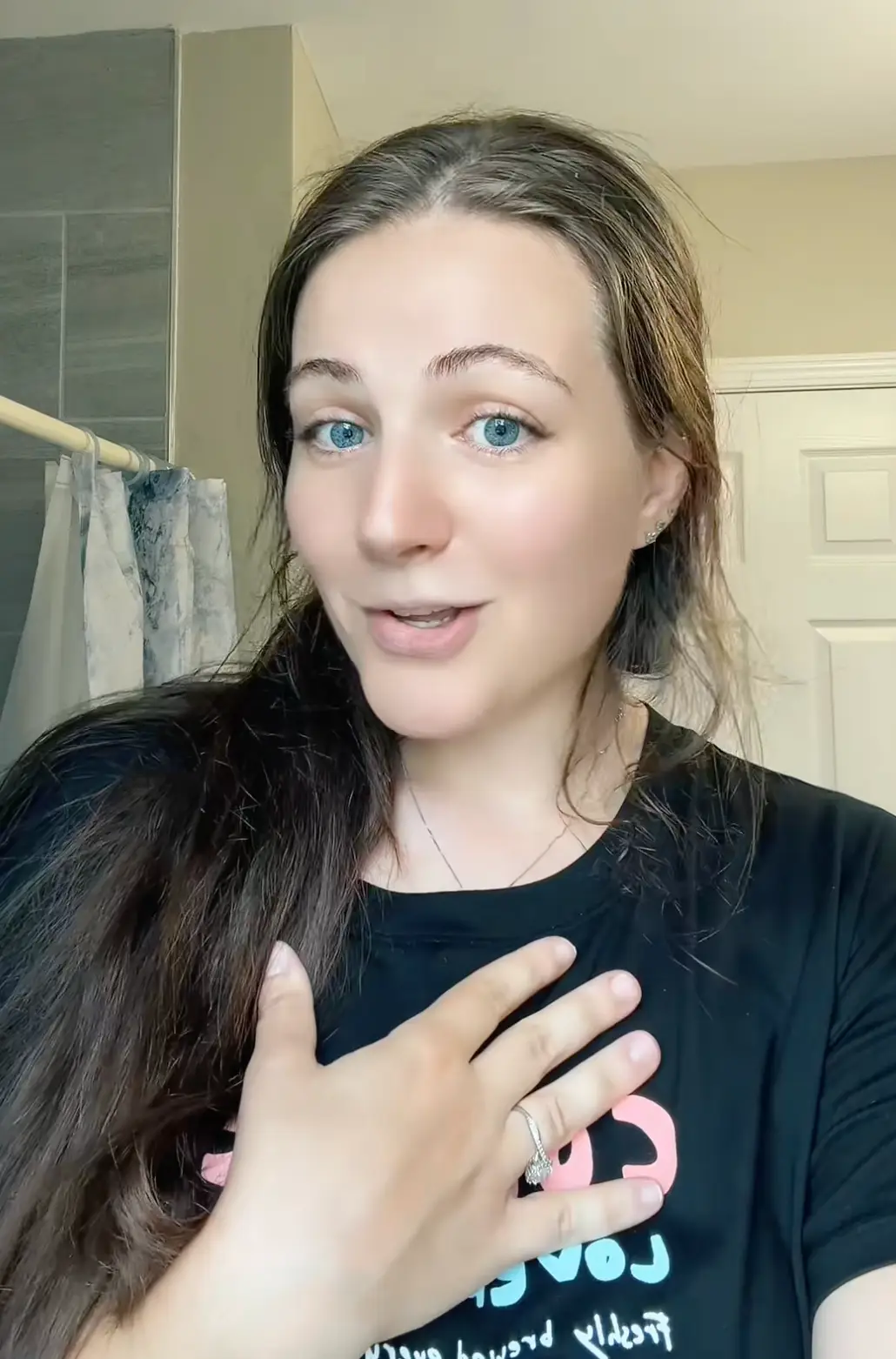
“I think I have zero Phenotypes of it. My geneticist says I have zero of the Phenotypes associated with it, and then I got some people on here like I can see it in you, and I'm like, okay, well, that's not good news or bad news. It just, it is what it is.”
What is Mosaic Down Syndrome and what is Trisomy 21?
According to Healthline, Mosaic Down syndrome, which is also called Mosaicism, is a “rare form of Down syndrome”. Their website says that it occurs in “about two percent of all Down syndrome cases.”
The National Down Syndrome Society said of Mosaic Down syndrome: "Research has indicated that individuals with Mosaic Down syndrome may have fewer characteristics of Down syndrome than those with other types of Down syndrome.
"However, broad generalizations are not possible due to the wide range of abilities people with Down syndrome possess."
The NHS Leeds Teaching Hospitals explains that Down syndrome is also known as Trisomy 21, and is “usually caused by an extra chromosome number 21 in a baby’s cell.”
 Kerri-Ann Roper