Couple buy house despite having just £600 in savings thanks to zero deposit mortgage scheme

There's another couple who seem rather happy with getting on the property ladder even though they only had £600 in savings.
It certainly beats all of those stories about people saying they bought a house at such-and-such age, but when you look a little closer the actual thing they did was have rich parents who gave them the money for their deposit.
We told you before about Manchester couple Conroy and Amber, who bought a house and now pay less on their mortgage than they did on their rent.
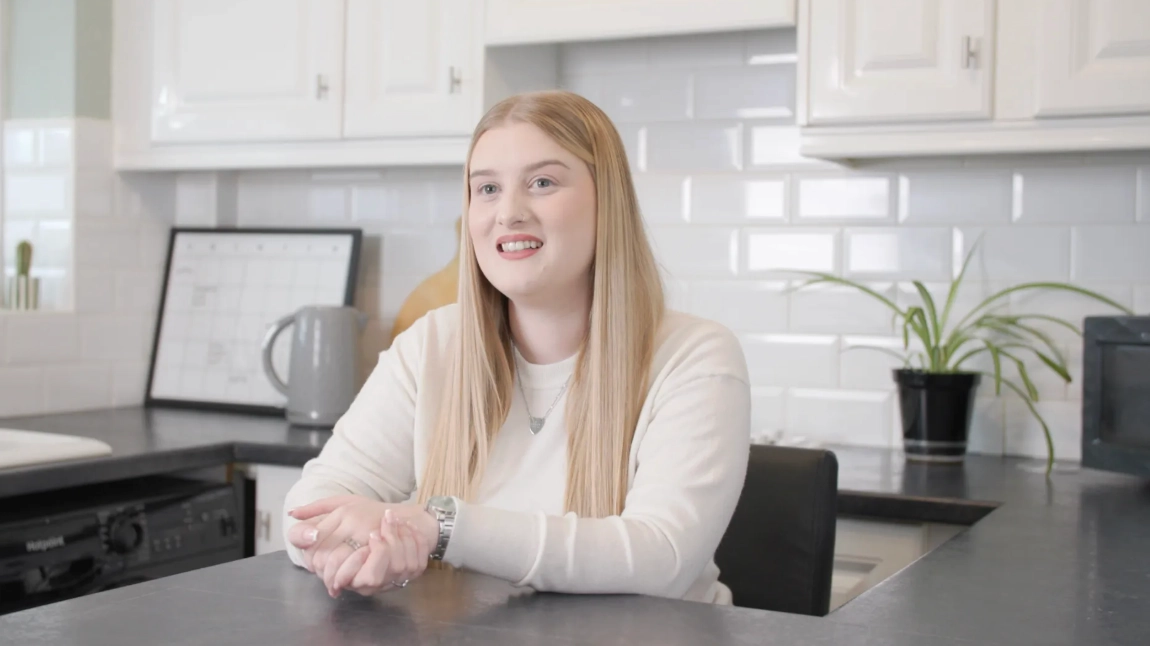
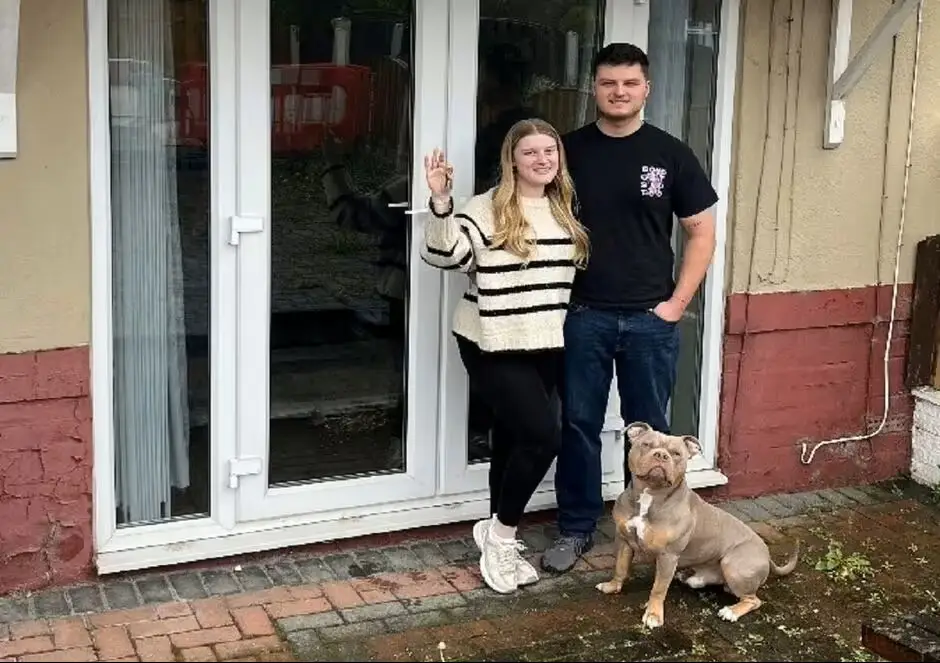
This time it's Pontefract pairing Saffron and Reece, who used a zero deposit mortgage to get a home they can start paying into even though they only had a few hundred quid in savings.
Advert
They spent time renting but wanted a place they could say was theirs, and if they were making monthly payments at least it'd be going towards the dream of owning their own home instead of into a landlord's pocket.
They got a Track Record mortgage from Skipton Building Society, which is a zero deposit scheme that allows someone to potentially get a mortgage on a house without money for the deposit.
As long as they can prove they've got a track record (hence the name) of being able to make monthly payments on a property, like you would if you were renting.
Saffron and Reece rented for a while as they sorted everything out, but eventually they managed to move into a property worth £156,000 and reckon they're about halfway through renovating the place.
She said: "Without the Track Record, we honestly wouldn't have been able to buy a home.
"We would definitely still be renting, at least three or four years more. Saving money for a deposit was our biggest barrier - the Track Record really was our saviour."
What is a zero deposit mortgage?
The clue's in the name, it's a mortgage where you don't need to put a deposit down on a property before you can move in and start paying off the massive debt you took on the property.
On the plus side it means people can 'buy' houses without having to save up massively for a mortgage in the first place, which is a big thing when the cost of living is so high that saving up to get a deposit is increasingly difficult.
Couple that with high house prices and for many buyers getting a deposit for a few percent of a house's value is almost impossible.
On the downside, the interest rate for a zero deposit mortgage is typically higher and if property prices fall and you're in negative equity that's really bad since you haven't actually 'bought' any of the house you're in.
Expect your monthly payments on a home to be higher than if you'd put a deposit down and got a different kind of mortgage, and you could end up taking a financial hit when trying to move out.
How much you can borrow on the Track Record Mortgage
Skipton Building Society says you can borrow up to £600,000 on their Track Record Mortgage, but that's the top limit and the actual amount you can borrow is tied to the value of the property you're looking to buy.
Realistically, it's tied to how much you can pay in rent since by getting a Track Record Mortgage you're using past rent payments to show the building society you have what it takes to keep up mortgage payments.
You need to show you've paid rent for 12 consecutive months during the past 18 months, your borrowing limit is calculated by the amount of rent you pay.
The building society says that in some circumstances, they offer mortgages with monthly payments up to 150% of what you were previously paying each month in rent.
To check exactly how much you can borrow you can use Skipton Building Society's calculator, which can give you an idea of how much you can borrow.
Who can apply?
You must be 21 or over, have not owned a property in the UK in the last three years, and have paid rent and household bills on time and in full for 12 months in a row over the past 18 months.
You can't use the Track Record Mortgage to buy properties in Northern Ireland or the Isle of Man.
You can actually use a deposit if you'd like to put some money down on the property you're getting, but it cannot be more than five percent of the property's purchase price.
Of course since the borrowing limit is £600,000 you can't use it for properties too expensive to buy with the loan.
 Joe Harker