
Driving instructor’s annual salary revealed vs AA average and there’s thousands extra to be made

Ever wondered how much you can make from teaching people the rules of the road?
Thousands of Brits every year undertake driving lessons in order to get their own set of wheels, with statistics suggesting over 1.6 million tests are conducted every year.
Given the consistent demand for driving lessons, life on the road as an instructor seems like a pretty stable gig.
You can choose your own hours, holidays and clients, meaning it's not a bad choice of job – if you happen to enjoy driving.
Advert
So how much can you earn?
How much money can you make as a driving instructor in the UK?
This question was recently answered by Boom Instructor Training, with driving teacher Jonathan providing an in-depth breakdown for an Approved Driving Instructor (ADI) salary.
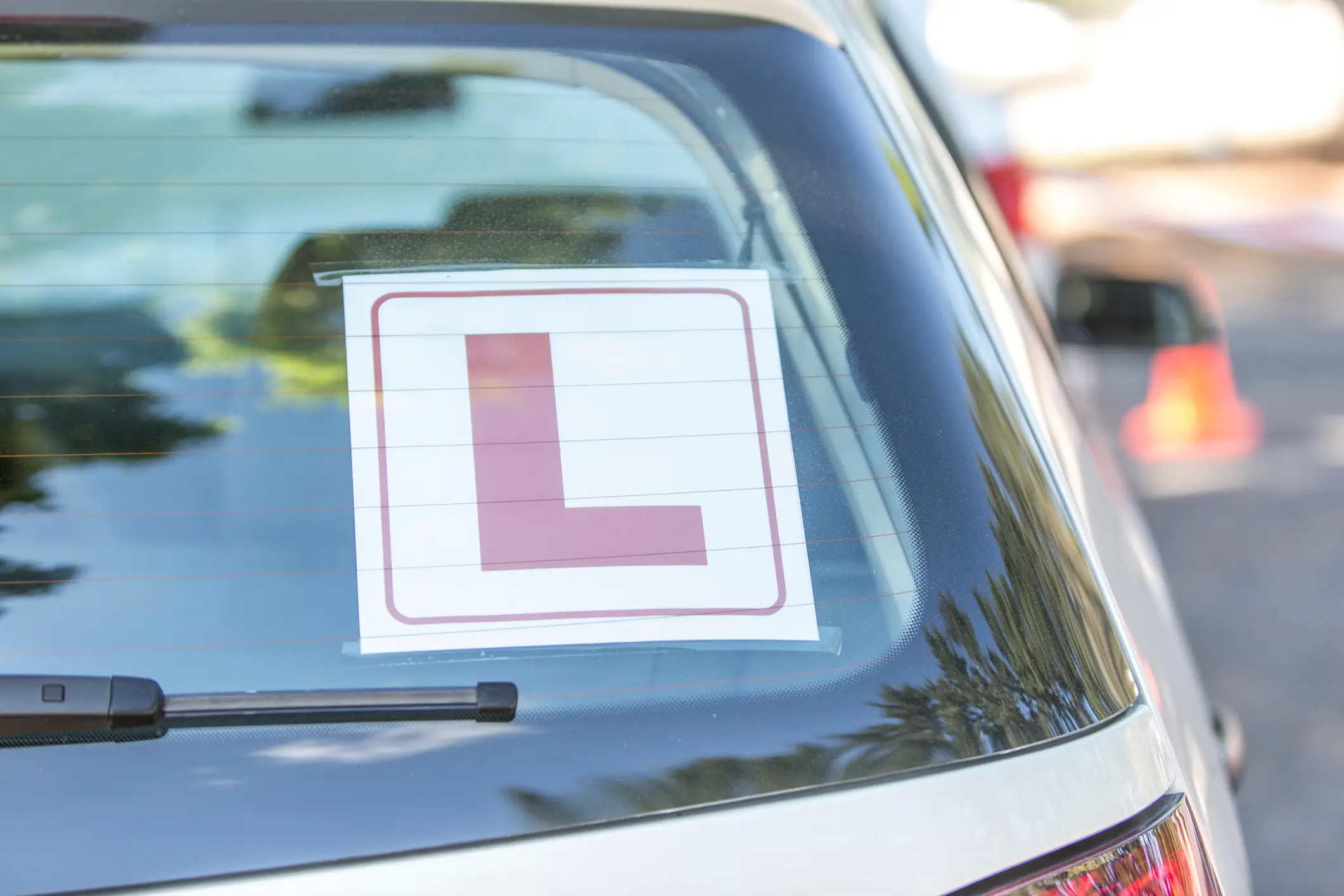
If you were to work around 30 hours per week for 48 weeks of the year, allowing for four weeks of holiday and potential sick days, Jonathan's calculations put the average salary at £43,700, before tax.
According to Forbes, the average annual salary for a Brit is £39,156, which means teaching the nation to drive isn't a bad career choice.
Annual take-home pay then works out at £35,000, or £2,986 a month, once tax deductions have been made.
Jonathan does, however, note that as a self-employed driving instructor, you will not receive holiday or sick pay, instead advising people to siphon off a bit of cash each month as an emergency fund.
"You have to allocate some holiday pay and some sick pay for yourself," he added. "And you have to do this on a weekly basis... It's a great habit to get into."
Meanwhile, the AA estimates that you could earn even more from driving instructing, putting the average annual salary at £52,000, for a person working a 35-hour week and teaching students in a Category A manual vehicle on a 24-month AA Solo term.
The figure also assumes that instructors are charging £36.80 per lesson and does not include expenses.
When tax deductions are made, this leaves you with an annual take-home pay of £40,700. This puts the AA's estimate at £5,700 per year more than Jonathan's calculations, assuming a driver works around five hours a week more.

For drivers looking to maximise their income, the AA recommends opting for longer lessons with students and thoroughly researching the price of lessons in the area, adjusting your fee based on local rates and expertise.
"Being a driving instructor can be lucrative," the AA concludes. "That’s not the only reason we encourage people to do it, but it’s certainly possible to earn a good living. Especially if you’re dedicated and put the hours in."
 Brenna Cooper