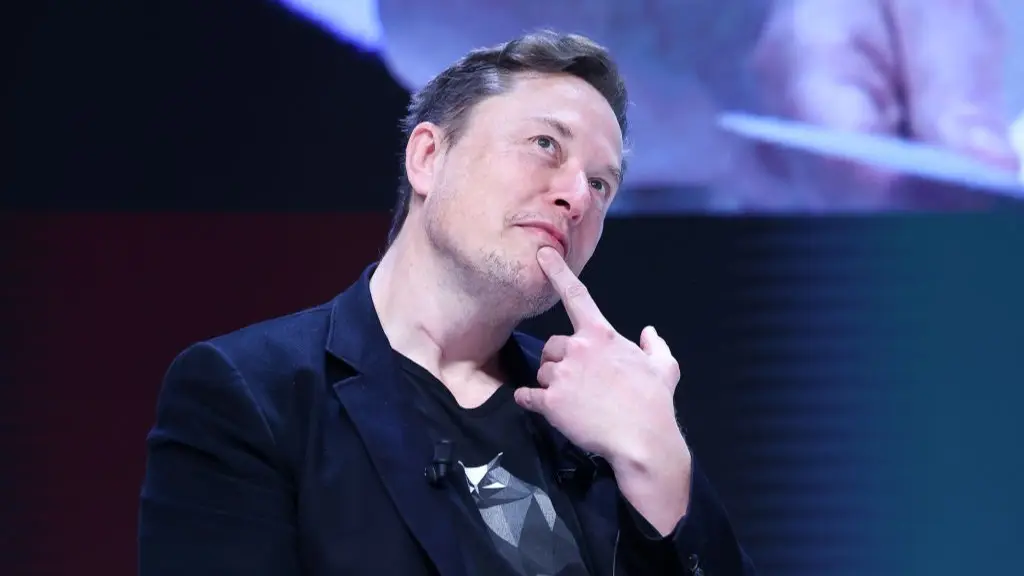
Insane amount of money Elon Musk just lost as he loses trillionaire status after two weeks

The nervy, reluctant look at the banking app the morning after a night out you went a bit too heavy on is one thing, but can you imagine the plummeting feeling of losing trillionaire status within weeks?
No, you definitely can't, as Elon Musk was the first and only trillionaire in history. I suppose he isn't too familiar with wondering if there's a hole in his wallet, though, so there is that.
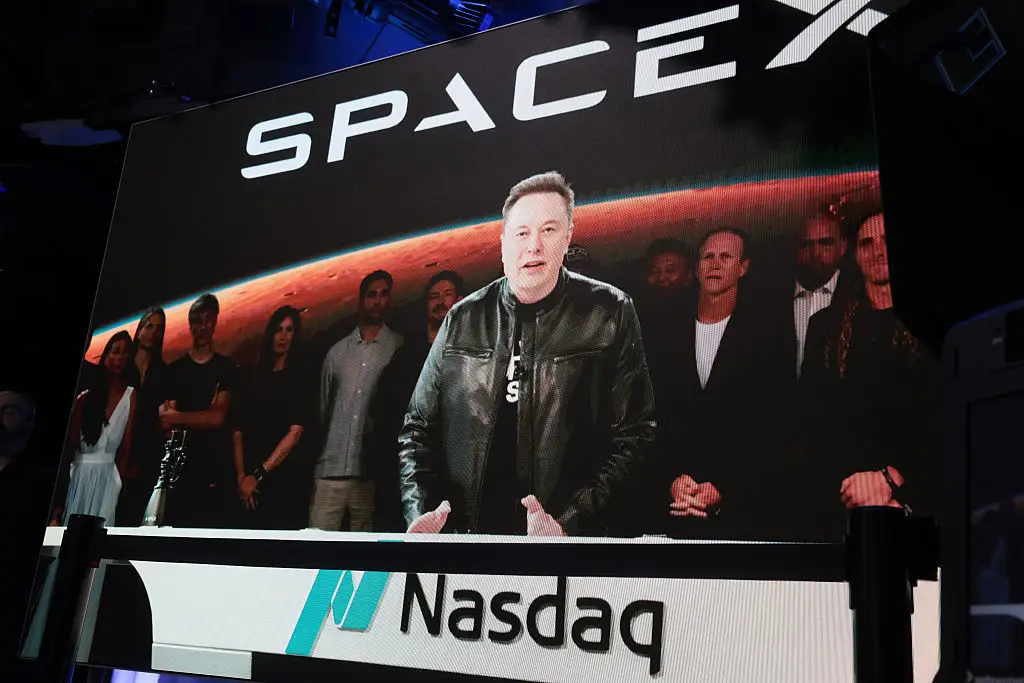
The Tesla tycoon officially become the world's first trillionaire earlier this month on June 12, thanks to SpaceX entering the Nasdaq exchange.
With shares on offer to the public at an initial $135, then rising to $150, a piece, the value of the space-faring company soared instantly as the stock boomed.
Advert
An unthinkably sum of $1.77 trillion was added to the company's value. Just imagine the air con unit you could buy with that.
Since Musk owned around 42 per cent of SpaceX shares, his own net worth, on paper, rocketed in tandem with the company, boldly sending him where no man has gone before. Beyond the trillionaire mark.
However, it did not last long.
Elon Musk has already lost his trillionaire status
By June 16, Musk's network was set at $1.32 trillion. Not to be sniffed at.
But it has since come back down to Earth, with Bloomberg Billionaires Index reporting he dropped over half a billion dollars by June 23.
That leaves Musk with a measly $957bn to his name. Always here if you need a hand, mate.
The X owner is still far and away the richest man on the planet, so it's unlikely he'll be digging for spare change down the sofa any time soon.
But how did he lose such an insane amount of money so quickly? Well, exactly how he earned it.
As the warning goes, 'investments can go down, as well as up' and though there was an initial rush to buy SpaceX shares, investors soon began to sell them off en masse, with a 30 per cent drop.
Tesla was also hit with a six per cent drop, impacting Musk who owns 12 per cent of the electric vehicle company's shares.
Investors are said to have become cautious with SpaceX shares when the company announced it would issue bonds to raise at least $20bn to refinance a short-term loan.
Danni Hewson, head of financial analysis at AJ Bell, also believes a lot of the initial investment was 'emotional.'
He told the BBC: "For a stock like SpaceX, a lot of decision making might have been emotional and based on the anticipation of huge leaps forward in space exploration and utilisation, but investing should be something treated with clear eyes and patience, even when such huge numbers are involved."
 Daniel Murphy