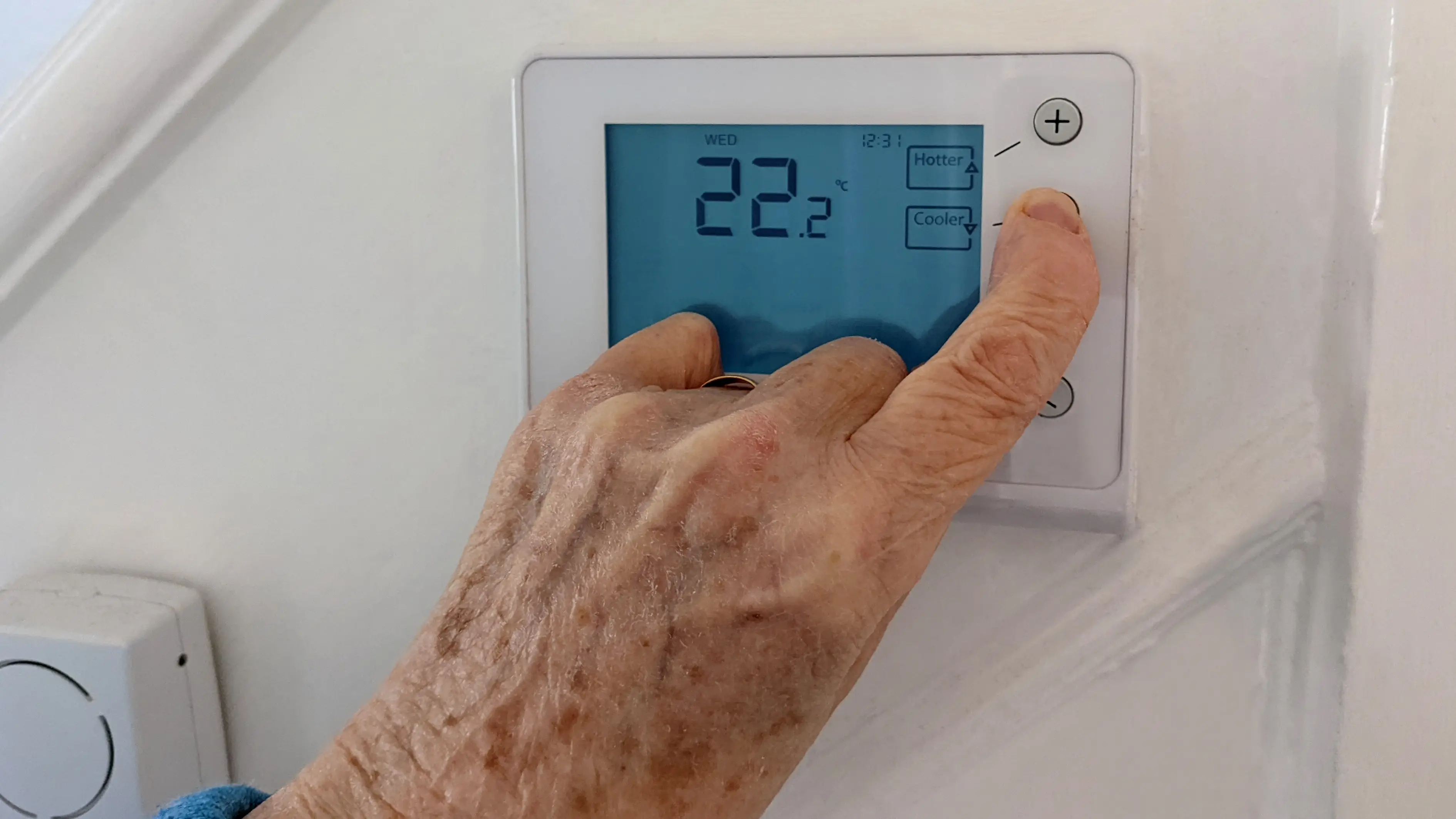
UK energy price rise confirmed ahead of 40C July heatwave with 13% household rise on the way

Not what you want to hear off the back of that manic heatwave, but households in the UK are set to face another increase in energy costs as Ofgem’s latest price cap will rise by 13 percent from 1 July.
This adds around £18 a month, taking the average annual fuel bill to £1,862.
The increase from the rise in global energy prices because of conflict in the Middle East, including disruption around the Strait of Hormuz, one of the world's busiest oil and gas shipping routes.
“The Iran ceasefire gave the markets some breathing room but this is a pause, not a resolution to the conflict,” Dr Craig Lowrey, principal consultant at Cornwall Insight, said.
Advert
“What comes out of the final agreement, if there is one, will matter enormously for energy prices.

“And even in the best-case scenario, the enduring effects from the conflict will be with us for a while.
“Infrastructure takes time to repair, supply chains take time to recover and households will be left dealing with the consequences for some time.”
It comes after the Met Office’s latest warning that several areas are facing a 40C heatwave in July, with London, the South East, East of England and parts of the Midlands expected to be the hottest areas.
So far, the hottest recorded day in the UK was on 19 July 2022 when temperatures peaked at 40.3C.
The Met Office, however, confirmed a new temperature record of 37.7C in Lingwood, Norfolk on 26 June.

Now, their long-range forecast between 4 July and 13 July reads: “High pressure will dominate across England and Wales over the weekend, bringing dry and warm conditions with plenty of sunshine for most.
“Scotland and Northern Ireland will probably see more cloud this weekend, with periods of rain mainly affecting western Scotland at times. Into the following working week, high pressure remains slow-moving over England and Wales, perhaps extending northwards to bring drier and warmer weather to Scotland and Northern Ireland.
“Winds will be light to moderate for most, though stronger around northern hills and coasts near low pressure systems. Temperatures will rise through the period, perhaps becoming very warm or hot in places.”
UK counties facing 40C or more next week
• Yorkshire
• Lincolnshire
• Nottinghamshire
• Leicestershire
• Warwickshire
• Northamptonshire
• Norfolk
• Suffolk
• Cambridgeshire
• Bedfordshire
• Oxfordshire
• Berkshire
• Buckinghamshire
• Hertfordshire
• Essex
• Surrey
• Kent
 Anish Vij