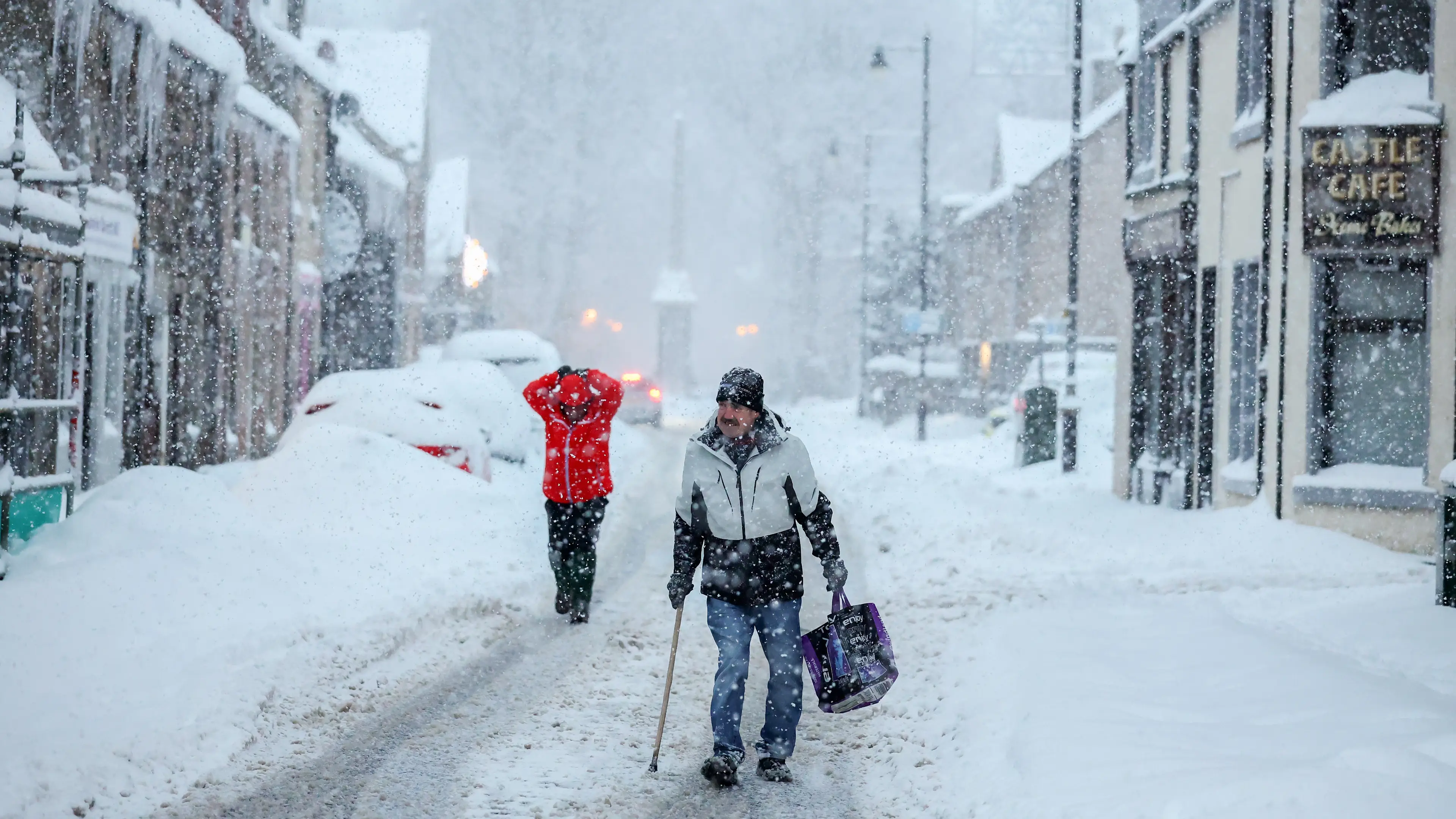
How to keep your energy bills under control if a polar vortex sweeps Britain

Brits have been warned that the current El Niño weather phenomenon could disrupt the polar vortex leading to a colder winter than usual.
The ‘Super’ El Niño has already exceeded previous records, with experts saying it still has several weeks to go until it peaks.
The naturally-occurring climate event starts in the Pacific Ocean when surface temperatures become hotter than usual and impacts weather patterns around the world, which can result in flooding, droughts or wildfires.
Experts have warned that the current El Niño could cause 450,000 deaths in the next six months.
Advert
And as we head into winter, there have been some concerns that it could mean we’re in for a bitterly cold winter, as the El Niño could disrupt the stratospheric polar vortex - a ring of cold winds that are situated above the Arctic.

The polar vortex is linked to the jet stream and both can be impacted by El Niño.
Research from the America’s NOAA Chemical Sciences Laboratory has found that the El Niño climate pattern ‘tends to promote the breakdown of the polar vortex, especially in late winter’.
So, while we’ve had a fairly mild autumn, things could take a decidedly chillier turn in the next few months.
The Met Office explained: “Through the latter part of the winter, following a peak in El Niño, the stratospheric polar vortex (SPV) can become weaker, leading to an increased chance of Sudden Stratospheric Warming (SSW) events unfurling, increasing the potential for cold weather.
“However, significant as El Niño is, it is important to emphasise that it alone does not determine precise weather patterns and other outcomes remain possible.”
The colder weather coupled with rising energy costs amid the cost of living crisis could mean many households will feel the pinch, but there are things you can do.
Check for draughts
Take a look around your home for where heat may be escaping.
Common culprits are around windows and doors, but fortunately fixing them can be done pretty cheaply using draught excluders and insulating tape.
Insulate pipes
Before it gets any colder, invest in some foam pipe lagging for your hot water pipes.
By insulating your pipes, you’ll keep your water hotter for longer and reduce the risk of your pipes freezing over, which can lead to burst and ruptured pipes that can cost a small fortune to fix.
Bleed your radiators
If you haven’t done it in a while, then now is the ideal time to bleed your radiators to remove trapped air.
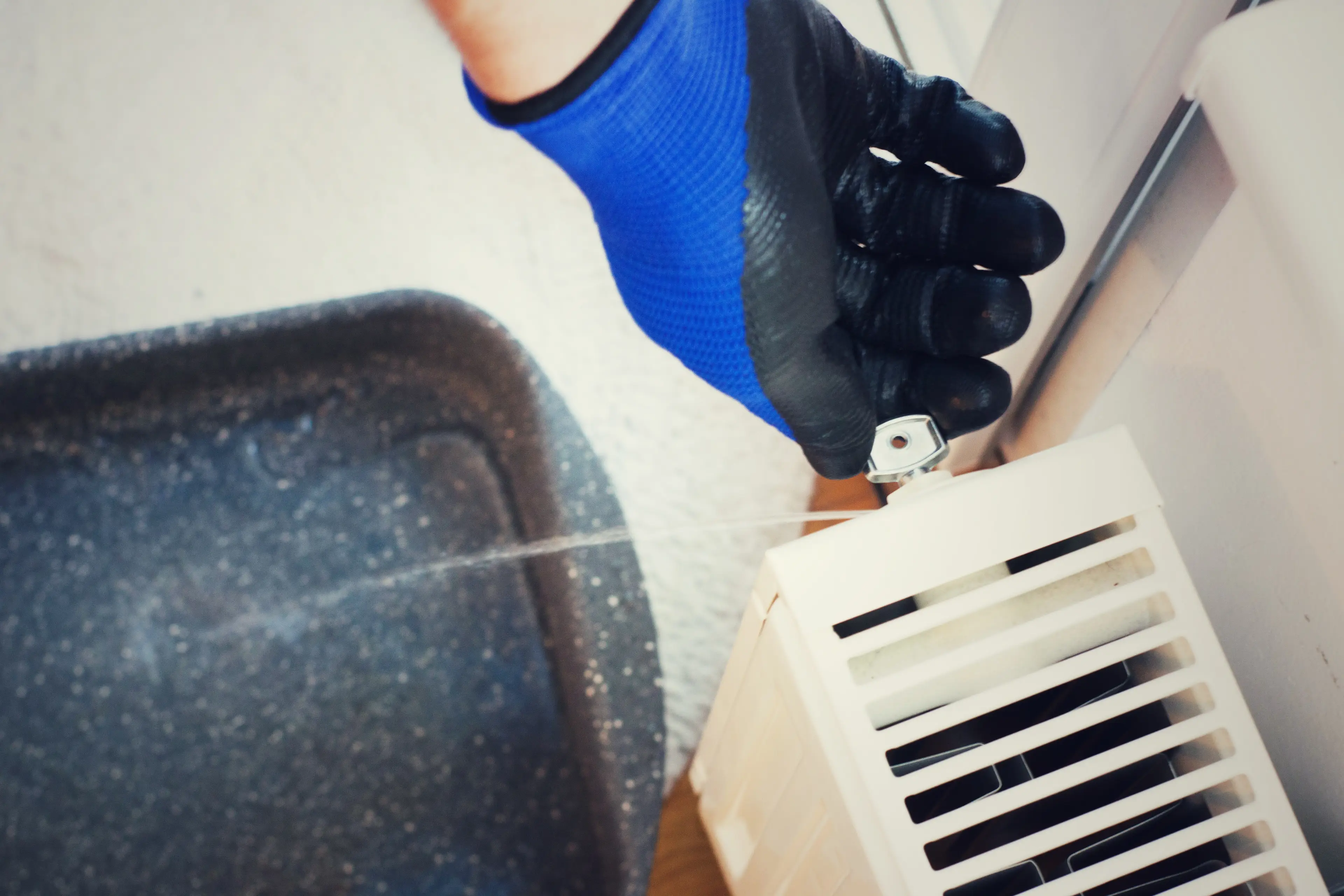
Getting rid of trapped air will make your radiators work more efficiently and it’s a 10 minute job.
To really make your radiators as efficient as possible, make sure they’ve got some room to breathe by removing furniture and curtains to prevent heat from becoming trapped.
Trap warm air in
Homes can lose a lot of heat through their windows, particularly if yours is a bit older or single glazed, but you can combat this by buying some thick curtains and closing them before it gets dark.
Meanwhile, adding in some extra rugs can help to insulate the floor and keep rooms feeling warmer, particularly if you have wooden or tiled floors.
Check your thermostat
Many families argue over exactly what temperature the thermostat should be set, with some folks happy to don a jumper if it gets a little chilly and others preferring to whack it on high.
However, when it comes to the most efficient level to have it on, experts agree that it should sit between 18 and 21C, rather than turning it right up when the temperature drops.
 Claire Reid