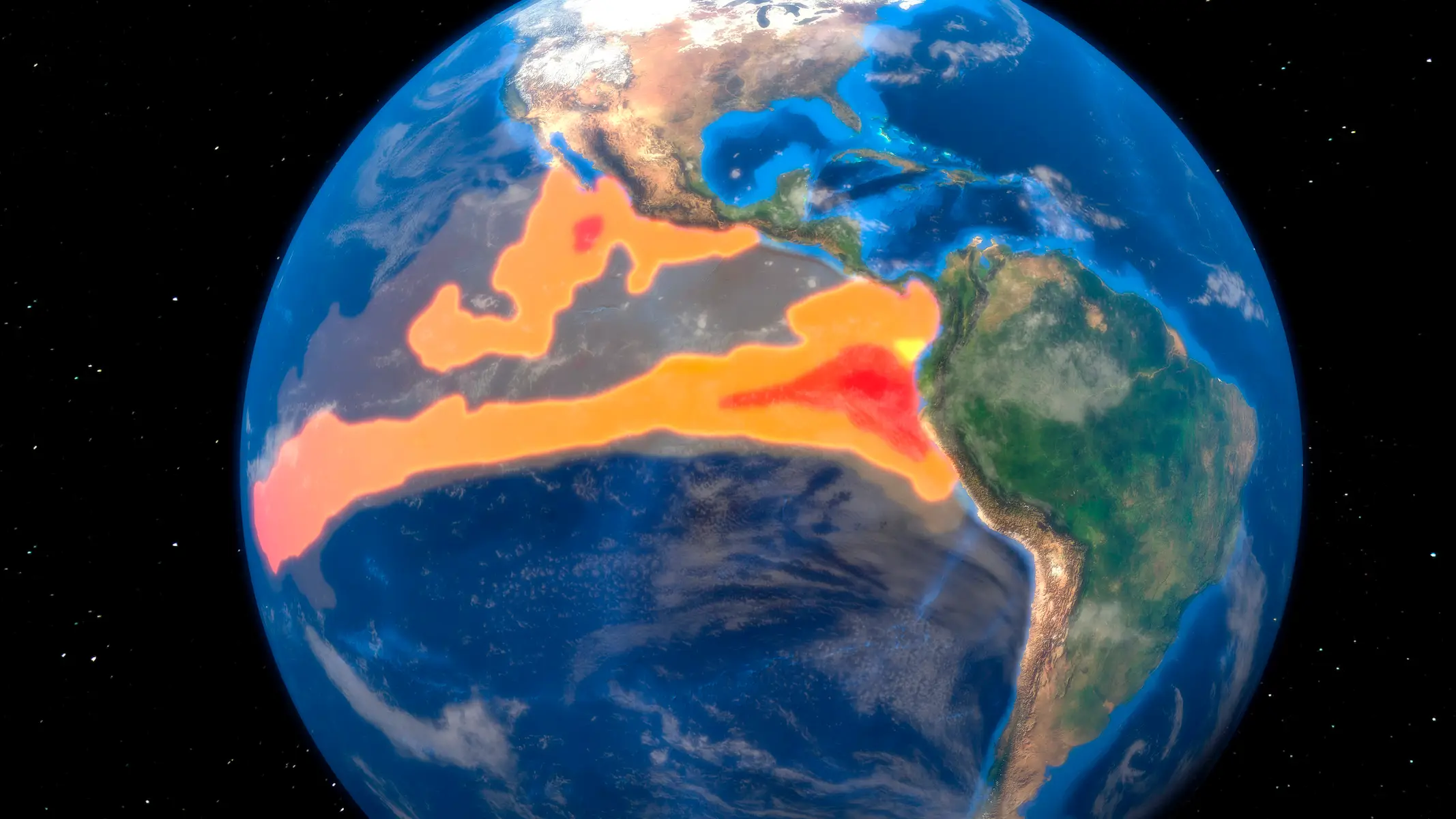
Super El Niño projected to cause 450,000 deaths in the next six months

Close to half a million people could lose their lives through the current Super El Niño weather event, it's been revealed.
In a new scientific report from Professor Michael Greenstone, co-founder of the University of Chicago's Climate Impact Lab, it's estimated that up to 451,000 individuals are at risk here due to extreme temperature hikes.
"The estimate of 451,000 people is such a large number that it can be numbing, but it is made up of parents and children, grandparents and neighbours, people going to work, caring for families, and living their lives," he said.
These inconceivable death numbers are expected to occur between this month and February 2027, although the Super El Niño will likely claim even more victims all the way through to July of next year.
Advert
Nigeria, Indonesia, Brazil, India and Sudan are the countries most affected, while the US population could dip by 3,500 too if projections are accurate.
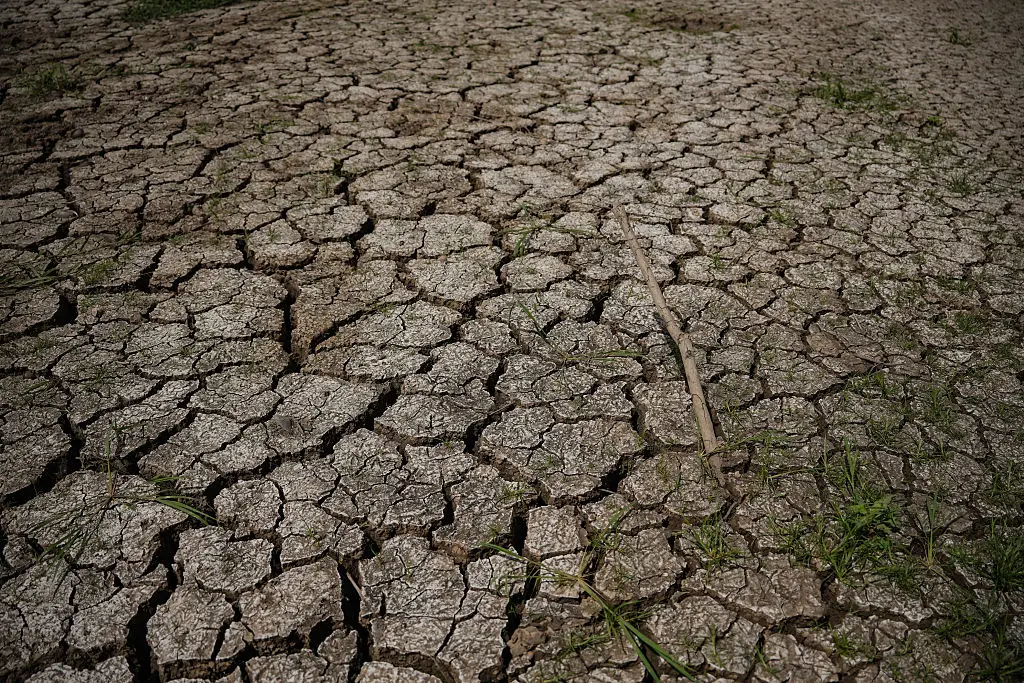
Also referred to as a 'Godzilla-level' El Niño, this unstoppable killer begins in the Pacific Ocean when surface temperatures become way warmer than normal. Global weather is then thrown off by the new atmospheric circulation patterns, resulting in flooding, wildfires and droughts.
Greenstone and his team's terrible forecast was created using peer-reviewed methods tracking the month-by-month relationship between temperature and additional heat deaths in 24,378 regions across the planet.
Combine that with the forecasts for higher temperatures during the Super El Niño months, plus the average heat death numbers between 1996 and 2025, and you have the 451,000.
"Increasing emergency response and better targeting our efforts can save many lives this year," shared report co-author Dr Tamma Carleton at the University of California, Berkeley. "But 20 years from now, once today's extreme temperatures become the new normal, we don't want to be in a constant state of emergency. We need to mobilise now to design, deploy and evaluate the tools that will save lives in the years ahead."
Meanwhile, Imperial College London's Professor Friederike Otto told The Guardian: "The [current El Niño] event is a huge redistribution of energy in the climate system and is dangerous, because it is unfolding on top of a much warmer, human-influenced climate system.
"So, in many places around the world we will see never-before-experienced heat extremes, with all their consequences on health, food security and water stress.
"El Niño comes and goes, but as long as we continue to burn fossil fuels, it occurs on an increasingly hotter baseline, making it much more difficult for communities to deal with the consequences."
Topics: Weather, El Niño, World News
 Dan Seddon