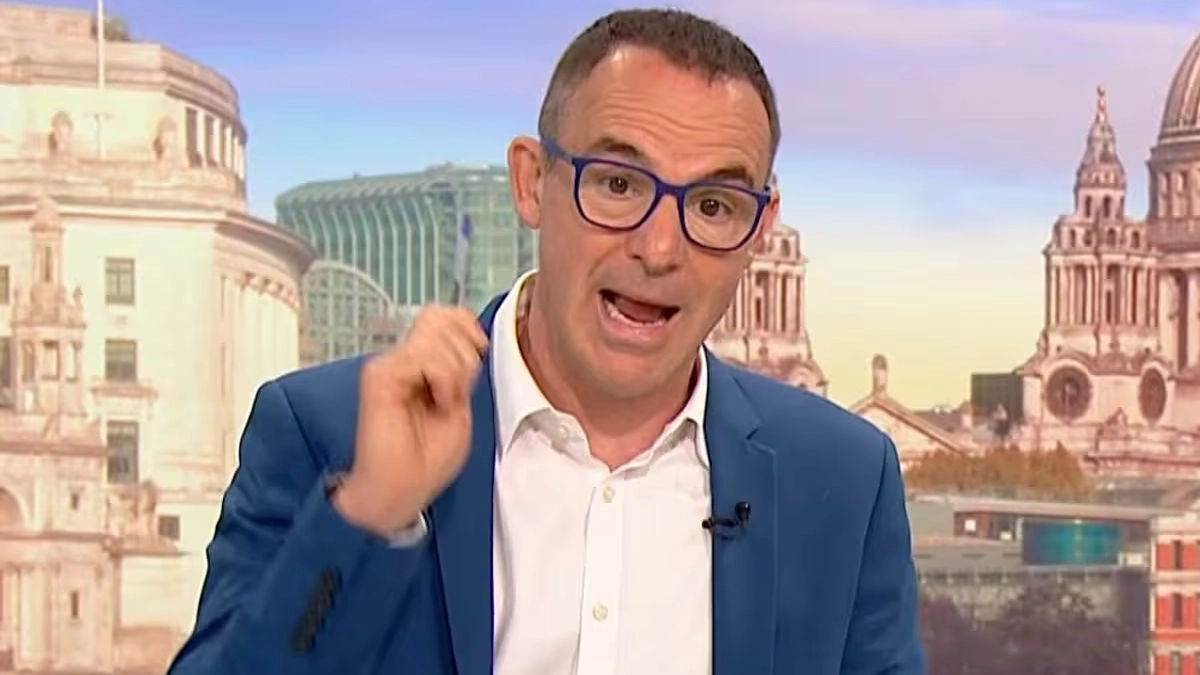
Martin Lewis warns Ofgem’s proposed energy-switching charge could make cheaper deals harder to find

Martin Lewis has issued a warning about Ofgem’s latest proposal, warning that they could make cheaper energy deals harder to find.
The Money Saving Expert (MSE) founder explains that the new measure would mean energy companies may have to pay a charge when they take on customers from another supplier.
While Ofgem says the plan is designed to protect energy firms from losing money if wholesale energy prices suddenly fall, Lewis believes it has been put in place ‘in order to protect energy firms' profits’.
“That's because any firm taking on a new customer, including on a cheap fix or other specialist tariff, will have to pay compensation to that customer's old supplier, if they switch. It's basically a form of switching penalty,” he writes for MSE.
Advert
“While technically this is a consultation, it's one of those where Ofgem has made up its mind, but is required to consult – it will almost certainly happen.”
How does it work?

So, under the proposed market stabilisation charge, a company taking on a new customer could have to pay money to that customer's previous supplier.
The charge would apply when wholesale energy prices fall by more than 10 percent below the level used to calculate the energy price cap.
As an example, Lewis notes that if wholesale energy costs were £1,000 and dropped to £900, there would be no charge. But if prices fell to £800, the new supplier could have to pay £85 to the customer's old supplier.
Lewis warned that the new company would probably pass this cost on to customers, making cheaper energy deals more expensive than they would otherwise be.
“I don't like it. This is a 'market stabilisation charge' but the supplier market is pretty stable, and I doubt we are at the domino risk of suppliers going bust in the way they did in the early twenties,” he adds.
“A good few energy firms have made large profits since then, and protecting them over winter by effectively dampening competition because it's 'not their fault' feels raw.
“After all we don't take their profits off them when they make them 'through no fault'. Until now, my hope had been that at some point the Middle East situation would de-escalate, wholesale rates would drop.
“While it would take months for that to feed into the Price Cap, other cheaper tariffs would be available to switch to. That would still happen, but the savings could be nowhere near as good as otherwise.”
Despite Lewis’ concerns, he says that ‘these are my provisional thoughts and this has only just come out. I will need to do more looking/thinking’.
In a statement shared with LADbible, Neil Kenward, Interim Director General of Markets, said: "We're preparing for what is likely to be a difficult winter for many households. While the energy market is stronger than it was during the energy crisis, volatility remains and the market stabilisation charge helps to protect consumers from that volatility.
"In volatile market conditions, it's important that suppliers can continue to secure the energy their customers need without taking unsustainable risks. The MSC supports responsible energy purchasing and helps reduce the risk of instability in the market during periods of significant price volatility.
"By acting now, we can help maintain a stable and resilient energy market and protect consumers from the costs and disruption that can arise when markets become unstable."
Topics: Money, UK News, Martin Lewis
 Anish Vij