Martin Lewis urges Brits to check rates over energy price prediction for start of 2027

The energy price predictions for January are warning that people's bills are going to jump up by a significant amount, so if there's something you can do to lock in a lower rate now it's probably worth doing.
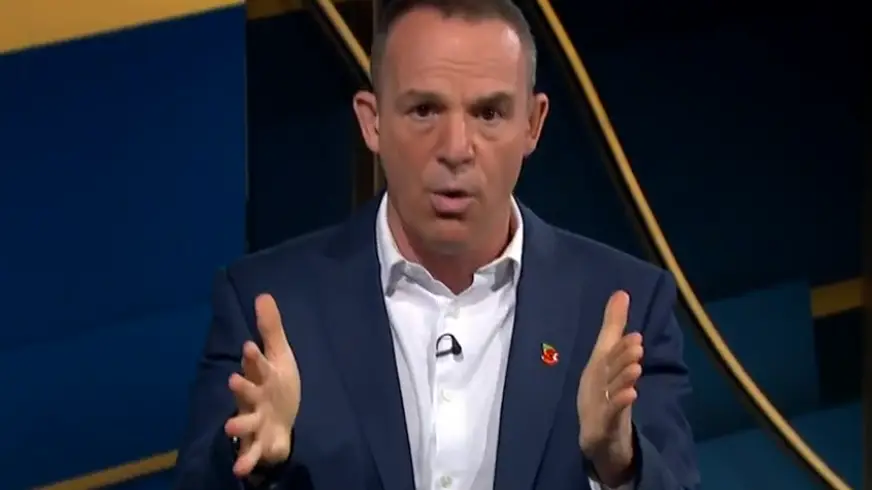
Martin Lewis said today that his 'heart just sank' when he saw a prediction for the January price cap increase and saw a trio of analysts predict an average rise of 25 percent.
If you thought the four percent rise at the beginning of this month was bad then if what happens in January is anything close to the predictions it's going to be a whole new world of price increases.
For many households in the UK that are on the variable rate which tacks closely to fluctuations in the energy price cap this is going to be a big jump in their energy bills and a big hit in the bank account.
Advert
Lewis has recommended that people still had a window of opportunity to fix their energy bills ahead of the expected rise to avoid their bills spiking higher.
The predicted price cap rise
The energy price cap is a measure which changes every three months and is a limit set by Ofgem on the maximum amount companies can charge for a unit of gas and electricity.
This affects people who are on a variable tariff that follows the price cap, while those on fixed rates aren't affected though the deals they can get are impacted by where the cap is when they signed on the dotted line.
If you got a fixed deal when prices were cheaper then you'll likely have saved a lot, if you sign on for a fixed rate when they're high then you'll likely be paying higher bills even when it comes back down as you'll have fixed on a bad rate.
In October the cap rise by four percent to add a few quid to people's monthly energy bills, but predictions for January warn of an increase between 16 and 25 percent which is going to be costly.
The price cap is understood by how much it will impact the average home in the UK, this rise in January is expected to raise average annual energy bills to £1,999 a year by sticking around another £300 on your bills if you're on a variable tariff.

Why energy bills are so high
A volatile and unstable world is an expensive one, and with the US and Israeli war with Iran massively disrupting the global fuel supply it's been a huge factor in pushing up energy prices for countries around the world.
The war has affected oil and gas prices in particular, and since the energy price cap takes gas into account it is getting battered by the conflict.
The Russian invasion of Ukraine also plays a major part in high energy bills, as the amount the average household is paying for energy and gas is around 70 percent higher than it was back in 2021.
When people said 'make love, not war' they probably weren't thinking about how it affected the millions of UK households on variable energy rates, but it would have helped not to have these costly conflicts.
What you should do
Martin Lewis' advice to people on a tariff that follows the price cap is to do a price comparison and see if they would be better off now getting onto a fixed rate before the big anticipated increase in January.
If you're not on a fixed rate then your energy bills are going to go up in January, that's happening, so if you want to avoid that then get onto a fixed rate.
For those hoping to cut their bills at this point it's going to be a case of cutting energy usage, switching onto a fixed rate will help stop further increases but if you want to bring spending down it's reducing how much energy you ned.
AO appliance expert Jade Golding-Gault recommended that people make sure their devices aren't just being left to idle on standby and said that starting with the smaller appliances could help save money.
However, she warned that you probably shouldn't be switching off the fridge or freezer as those are designed to stay running all the time.
Topics: Money, UK News, Martin Lewis
 Joe Harker