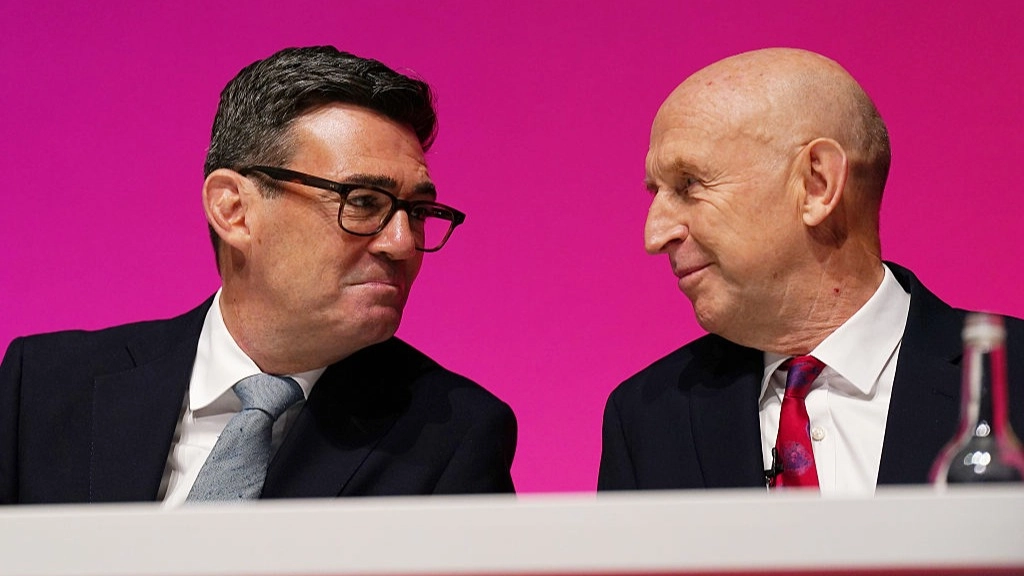
UK Budget 2026: What Andy Burnham’s first Budget could mean for you

The UK government’s annual financial statement – widely known as the Budget – is set to be delivered on Wednesday afternoon (28 October) by Chancellor John Healey.
This will be Andy Burnham’s first since becoming Prime Minister in July, with the overriding question a simple one: What does it mean for me and my finances?
Burnham, who sat down with LADbible as part of the Agree to Disagree series last week, says he’s focused on fostering ‘good growth in every postcode’.
While the PM wants to shift ‘power out of Westminster and into the hands of the people who know their communities best’, how will £285m worth of ‘good growth’ funding actually work?
Advert
And most importantly, what does it mean for the youth of the nation and their pockets?
Some measures have already been announced, as others remain uncertain.
Student loans and take-home pay
Status: Not announced

Although student loan repayments remain a hot topic for graduates – with a recent study from the Intergenerational Foundation revealing the cost of university education has shifted from the government and on to students.
But, changes to the scheme aren’t expected to be announced in the upcoming Budget.
Most undergraduate borrowers repay 9% of their earnings above a threshold, depending on which repayment plan they're on.
For example, a Plan 2 graduate earning £30,000 annually would repay approximately £4.61 monthly under the 2026/27 threshold of £29,385, assuming regular monthly pay.
A Plan 5 graduate on the same salary would repay £37.50 monthly, based on its £25,000 threshold.
These are existing repayment rules, not Budget changes. However, the Budget still can make some difference to graduates and the size of their payslip, with
changes to thresholds, interest rates or repayment terms key.
Vape shops, pubs and live music
Status: Announced, awaiting further details

The Government has already announced a 20% reduction in business rates for pubs, social clubs and qualifying live-music venues in England from April 2027.
Business rates are taxes on commercial properties, as the Government estimates the measure will save a typical pub around £1,100-a-year.
Announcing the policy on 23 July, Burnham said: "For too long, governments have stood by while cherished venues have disappeared from our local high streets."
The reduction could help pubs and independent venues cover operating costs, potentially supporting places where young people socialise.
Sadly, it doesn't guarantee cheaper drinks, gig tickets or entry fees.
The Government also plans to review some business-rates reliefs, including those available to vape shops.
But this doesn't mean vape retailers will definitely lose relief, as the Budget still needs to clarify which businesses could be affected and by how much.
Alcohol and the price of a night out
Status: Not announced

Alcohol duty could also affect the cost of going out, as the tax applies to alcoholic drinks, with rates depending on their type and strength.
If duty increases, breweries and producers of the alcohol, and subsequently pubs and retailers, could pass some of the additional cost on to customers.
A freeze could avoid an extra tax increase, although it wouldn't guarantee cheaper drinks.
Energy bills
Status: Announced
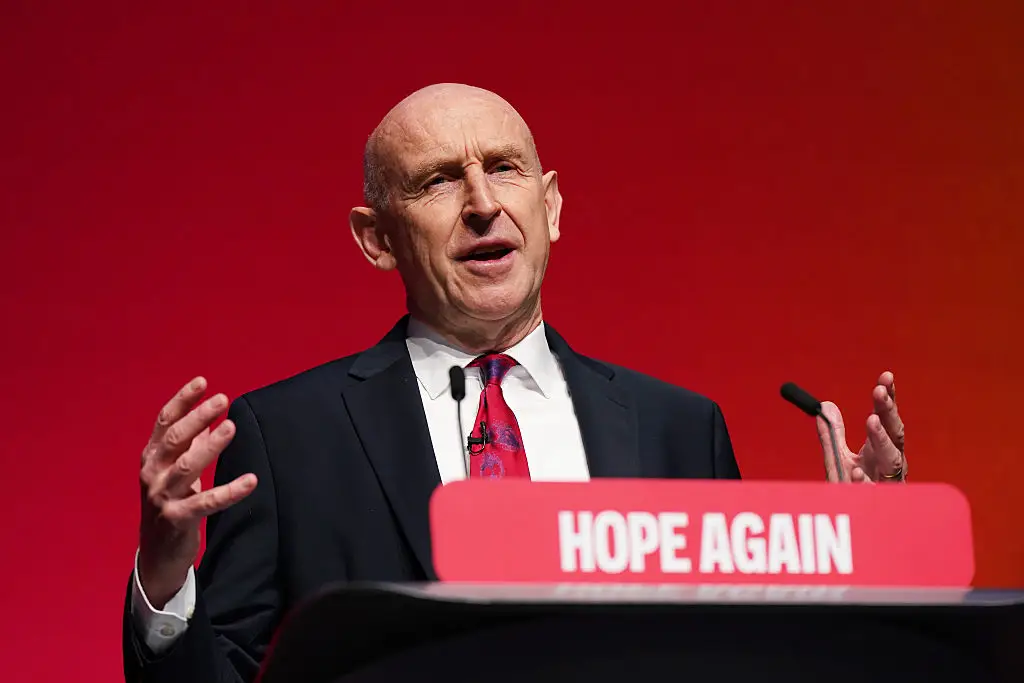
The Government temporarily removed the 5% VAT on domestic electricity bills in the UK from 1 October 2026 until March 2027.
It says the measure reduces the annualised Ofgem energy price cap by around £45 compared with what it would otherwise have been.
Chancellor John Healey said on 1 October: "This tax cut will help keep energy bills down a bit as we head into the winter."
Energy Secretary Miatta Fahnbulleh added: "I know energy price rises weigh heavily on homes across the UK this winter."
She said ministers were examining further ways to protect households from unaffordable bills.
For students sharing accommodation or young renters paying their own electricity bills, the VAT cut may provide some relief.
“For many families, the energy bill is the one they dread the most. I don’t accept that it has to be this way,” Burnham said.
As of October 2026, the average typical household energy bill under the Ofgem price cap is £1,723 per year, marking a 58% increase compared to post-pandemic 2021/22 levels.
Bus fares, fuel duty and getting around
Status: Announced for bus fares; fuel-duty decision unconfirmed
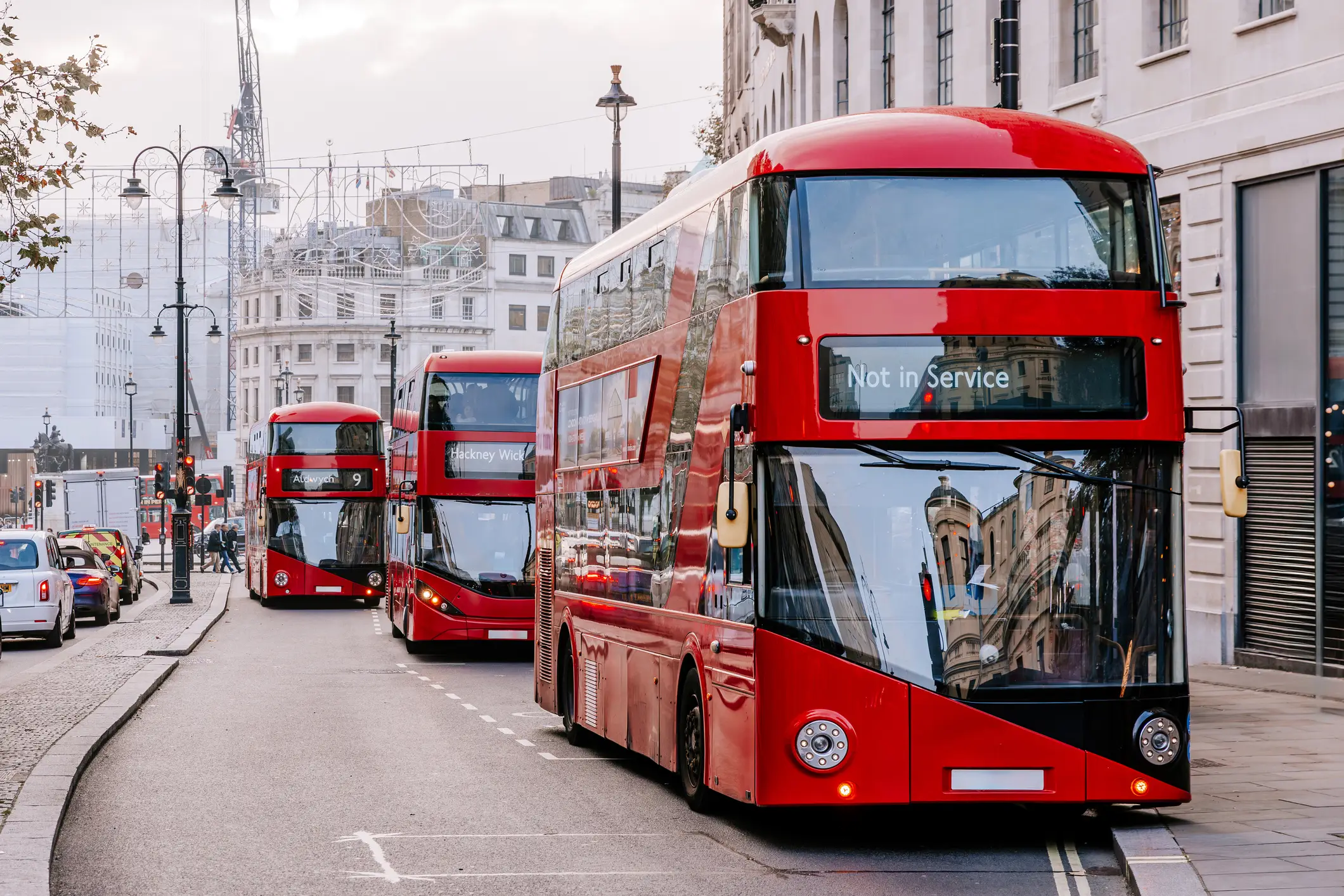
From 1 January until 31 December 2027, eligible single bus fares in England outside London will be capped at £2, replacing the existing £3 cap.
The Department for Transport confirmed the change in a written parliamentary statement on 22 July, saying it would support access to work, education and leisure.
Notably, the cap applies to participating services, not every bus route, and London has its separate arrangements.
Coaches, school-only services and certain specialist routes are excluded.
Someone currently paying £3 each way to work, five days a week, could save £10 weekly if both journeys qualify.
Drivers will also be watching fuel duty because the existing temporary reduction will be phased out in January, but whether the Chancellor changes that timetable remains unconfirmed.
“Good, affordable transport links are an essential. No one should be priced out of those and left behind,” Burnham said.
Electric cars: A future mileage tax
Status: Announced for April 2028

Electric car drivers face a new mileage-based tax from 1 April 2028. The planned charge is 3p per mile for fully electric cars and 1.5p for plug-in hybrids.
So, someone driving a fully electric car for 8,000 miles annually would pay £240.
Unlike petrol and diesel drivers, who pay fuel duty when filling up, electric-car drivers will pay according to distance travelled.
The Government says the measure is intended to replace some of the fuel duty revenue lost as drivers switch to electric vehicles.
It was announced in the 2025 Budget, so it is not an immediate, new charge.
Subscriptions, shopping and Black Friday
Status: Announced separately from the Budget

Not every consumer-money change happening this autumn is part of the Budget, as the Government’s announcement of stronger protections against unwanted subscriptions, is scheduled to take effect in January 2027.
The rules will require clearer information, renewal reminders, easier cancellations and cooling-off protections.
The Government estimates consumers spend around £1.6 billion annually on unwanted subscriptions.
 Anish Vij