
Millions of people to get pay rise in government budget this week

The minimum wage across the UK is set to rise by nearly four percent.
According to a report published in The Times, Chancellor John Healey will unveil the measures as part of the upcoming autumn budget, which is expected to land this Wednesday (28 October).
Although the government is yet to confirm the move, the report states that the National Living Wage, which applies to anyone over the age of 21, will increase from £12.71 to £13.20 – a rise of 3.9 percent.
Meanwhile, the National Living Wage, which applies to anyone aged from 18 to 20, will also see a 3.9 percent increase, rising from £10.85 to £11.27.
Advert
If confirmed later this week, the increases will come into effect from 2027.

The policy comes just two years after Labour promised to end 'discriminatory' minimum wage bands in its 2024 election manifesto, which had seen the party promise to bring wages for 18 to 20-year-olds in line with those over the age of 21 before 2030.
However, the policy proved difficult to implement, with employment experts previously suggesting that increases ushered in by previous Chancellor Rachel Reeves had led to an increase in youth unemployment.
In February 2026, figures shared by the Office for National Statistics (ONS) revealed that unemployment in the UK had risen to 5.2 percent. According to The Guardian, youth unemployment, which is anyone aged between 18 and 24, is at 14 percent.
Speaking to The Times about youth minimum wage, Healey had previously suggested that there would have to be a 'trade-off between the level of the minimum wage and the employment rate'.
"It’s really important to establish it, have it working, but there was always that trade-off. So I’m acutely conscious of the national minimum wage, the absolute national minimum wage, and in particular the 18- to 20-year-old rate," he said.
READ MORE: What Andy Burnham’s first Budget could mean for you
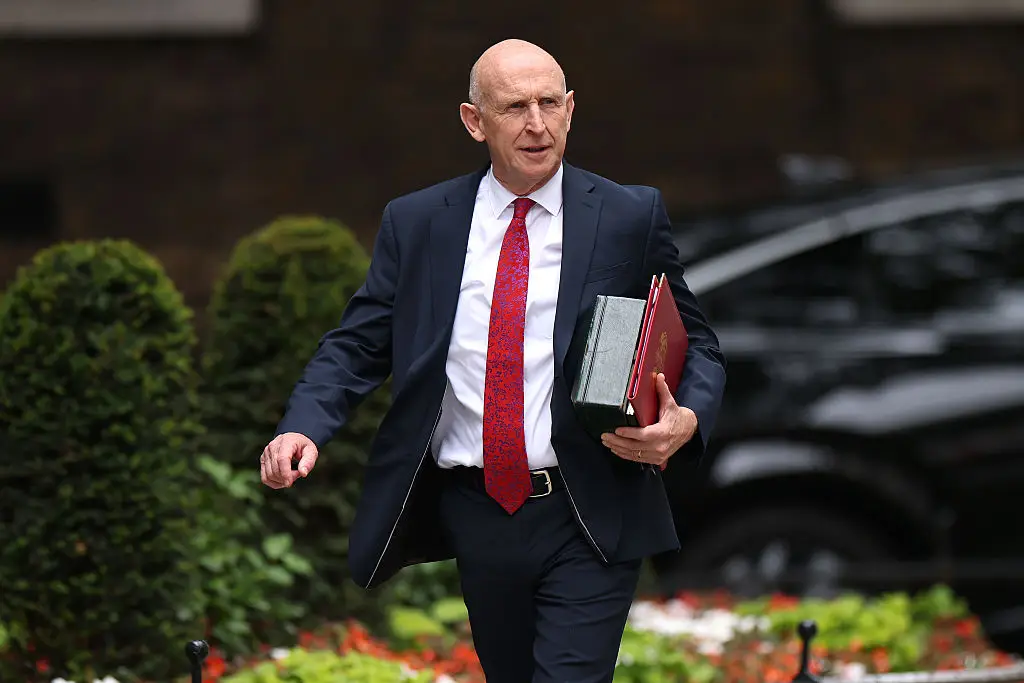
What else can Brits expect from the upcoming budget?
According to the BBC, announcements Healey is expected to make in Wednesday's budget include:
- Your First Home scheme: would allow first-time buyers in England to purchase a new-build property with a deposit of 2.5 percent alongside a loan worth 20 percent of the property's value
- Help for rising household energy bills
- Scaling back 'pointless paperwork' for UK businesses, saving them £800 million
- Increase the budget for social and affordable housing from £39 billion to £40 billion
- An increase in taxes on the banking sector
- Support for pensioners on low incomes.
 Brenna Cooper