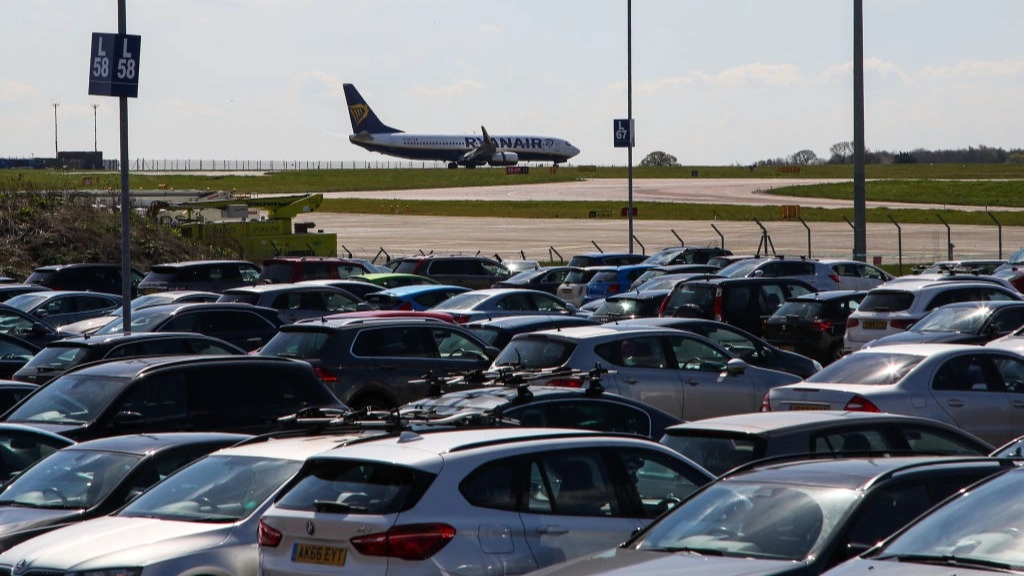
Legal expert explains truth behind airport 'kiss and fly' charges as Government announces drop-off and pick-up fee review

A legal expert has weighed in on 'unlawful' airport charges as a review of pick-up and drop-off fees was announced.
The Government has vowed to review how much UK-based airports are charging motorists to pull into airport parking zones for just a few minutes after a sharp increase in fees.
The move comes after RAC analysis found more than three quarters of UK airports had raised or introduced drop-off fees for drivers between this summer and last.
Sixteen out of 20 airports analysed by the motoring services company have increased so-called 'kiss and fly' charges.
Advert
These are typically levied for dropping off a passenger as close to a terminal as possible. The average cost had increased by a third to £7, the RAC said.

This week, the Government said it had committed to reviewing the charges after to 'ensure travel remains accessible and that passengers are treated fairly'.
Heathrow, the country’s busiest airport, charges drivers a £7 drop off fee, while at Gatwick it is £10 for 10 minutes and an additional £1 for each minute up to 20 minutes.
At London Stansted, the cost is £10 for up to 15 minutes and £28 for between 16 to 30 minutes. And drivers dropping passengers and Manchester Airport are charged £5.50 for five minutes.
UK airports typically offer free options for dropping passengers off in mid- or long-stay car parks connected to terminals by buses.

Legal expert issues advice on fees
After a number of posts surfaced on social media questioning the legalities of charging high fees for momentary drop-off and pick-up journeys, a legal expert has explained it to LADbible, debunking myths about whether motorists really need to pay.
The varying arguments online come down to a massive legal loophole involving private contract law and statutory bylaws, and the phrase 'relevant land'.
Put simply, the answer is nuanced.

Airport operators have a right to charge fees, but private companies they hire can lack legal mechanisms to force the owners of the car to pay, as it falls on the driver and not the keeper of the vehicle.
Speaking to LADbible, Alex Harvey, Head of General Litigation at HCB Widdows Mason, explained: “Airport pick-up and drop-off charges raise important questions about motorists’ rights, particularly when drivers receive a parking charge for stopping briefly or entering an area where they did not realise restrictions applied.
"Under Schedule 4 of the Protection of Freedoms Act 2012, ‘relevant land’ generally means land where parking is not already subject to certain statutory controls.
"Publicly maintained highways, parking places provided or controlled by traffic authorities, and land where parking is subject to statutory control are excluded.
"This distinction is particularly important at airports, where byelaws may apply to specific roads or parking areas.
"However, the existence of airport byelaws does not automatically exclude every part of an airport from the legislation.

"One of the key distinctions is between the driver and the registered keeper of a vehicle. In England and Wales, private parking operators can pursue the vehicle’s keeper for an unpaid parking charge on relevant land, provided the statutory conditions are met.
"Where land falls outside the scope of Schedule 4 of the Act, this statutory route to keeper liability is unavailable.
"That does not necessarily prevent an operator from pursuing the driver, but it can make enforcement more difficult where the driver has not been identified."
Drivers should 'not assume a charge is unlawful'
He explained that it does not automatically mean motorists can ignore charges, as private fees can still be legally enforceable.
However their validity depends on the circumstances, including the legal status of the land, any applicable bylaws, the clarity of signage and the terms communicated to drivers.
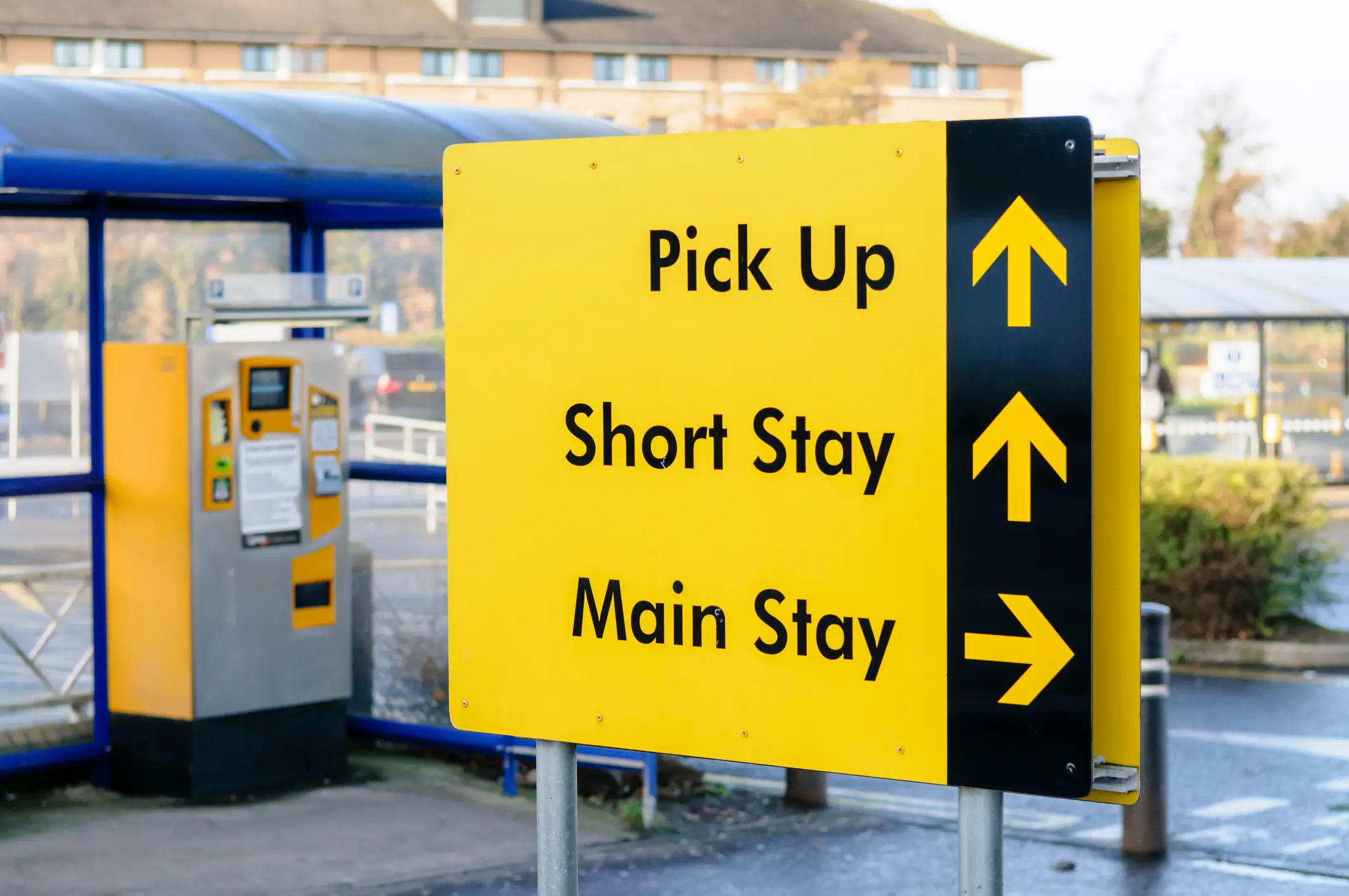
"It is also important to distinguish between an airport’s standard fee for using a drop-off area and a separate charge issued for allegedly breaching parking or stopping restrictions," he said.
"Drivers who receive a charge they believe is incorrect should check the location, the evidence provided, the signage and the legal basis for the demand before responding.
"They should not assume that a charge is unlawful simply because it has been sent to the registered keeper rather than the person who was driving. Equally, receiving a notice as the registered keeper does not automatically establish liability for payment."
Responding to the Government announcement about fee reviews at UK airports, Alex added: "This is an opportunity to improve transparency and ensure motorists understand the rules before they enter a charging area.
"While any future regulatory changes remain uncertain, drivers should be able to understand where charges apply, how much they will pay and what options are available if they believe a charge has been issued incorrectly.
"Clear signage, transparent pricing and accessible appeals procedures are essential to ensuring motorists are treated fairly.”
Government announces review into fees
The scope of the review has not yet been confirmed but it is understood it could cover issues including affordability, accessibility, the way airports use revenue from drop-off charges and the extent to which the charges encourage passengers to use public transport.
A Department for Transport spokesperson said: “The aviation minister has just this week committed to launch a review of drop-off charges at UK airports – because it is vital to ensure travel remains accessible and that passengers are treated fairly.
“In the meantime, we hope airports exercise restraint on rises, particularly where there are limited public transport alternatives.”
Meanwhile RAC senior policy officer Rod Dennis added: “This will be music to the ears of drivers, as we know airport drop-off charges are a growing source of anger and frustration.”
"Four-in-five drivers we’ve surveyed believe they are a ‘rip-off’, with just one-in-10 understanding why airports charge what they do.”
Mr Dennis said that so-called 'farewell fees' are at 'direct odds with most major airports overseas' where drivers are able to drop passengers off free of charge close to terminals.
“If convenient, free drop-off zones work at so many international airports, why not here in the UK?” he said.
 James Holt