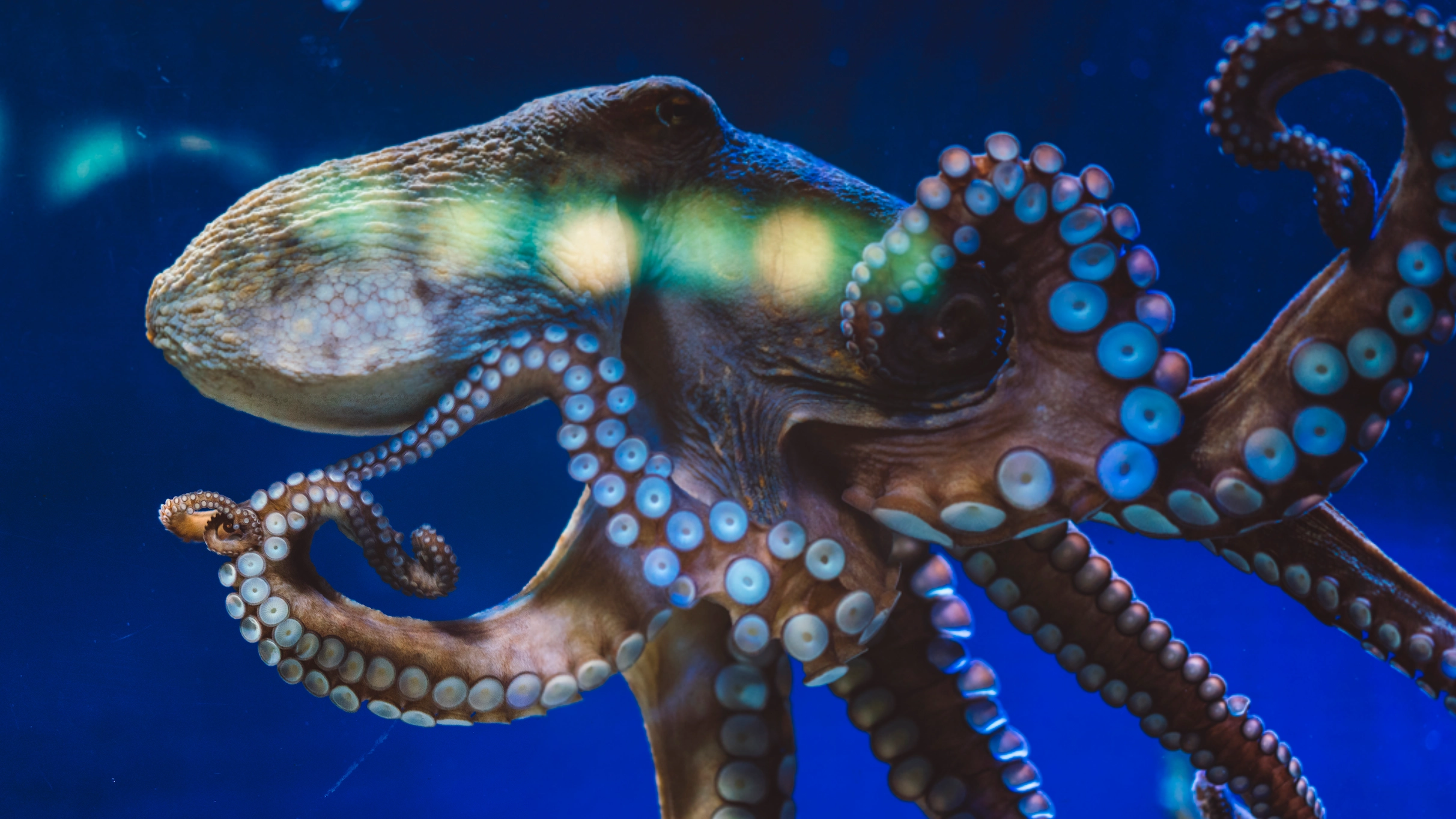
Giant 62ft 'Kraken-like' octopus capable of pulling down ships found to have roamed seas

No matter how long us humans have been roaming about on land, it remains that only just five percent of the world’s ocean has been explored.
And while that alone is enough to freak people out about the sea nowadays, what may have previously knocked about there could be even more terrifying.
That’s as new evidence has found that a ‘kraken-like’ octopus was once roaming the seas, according to scientists.
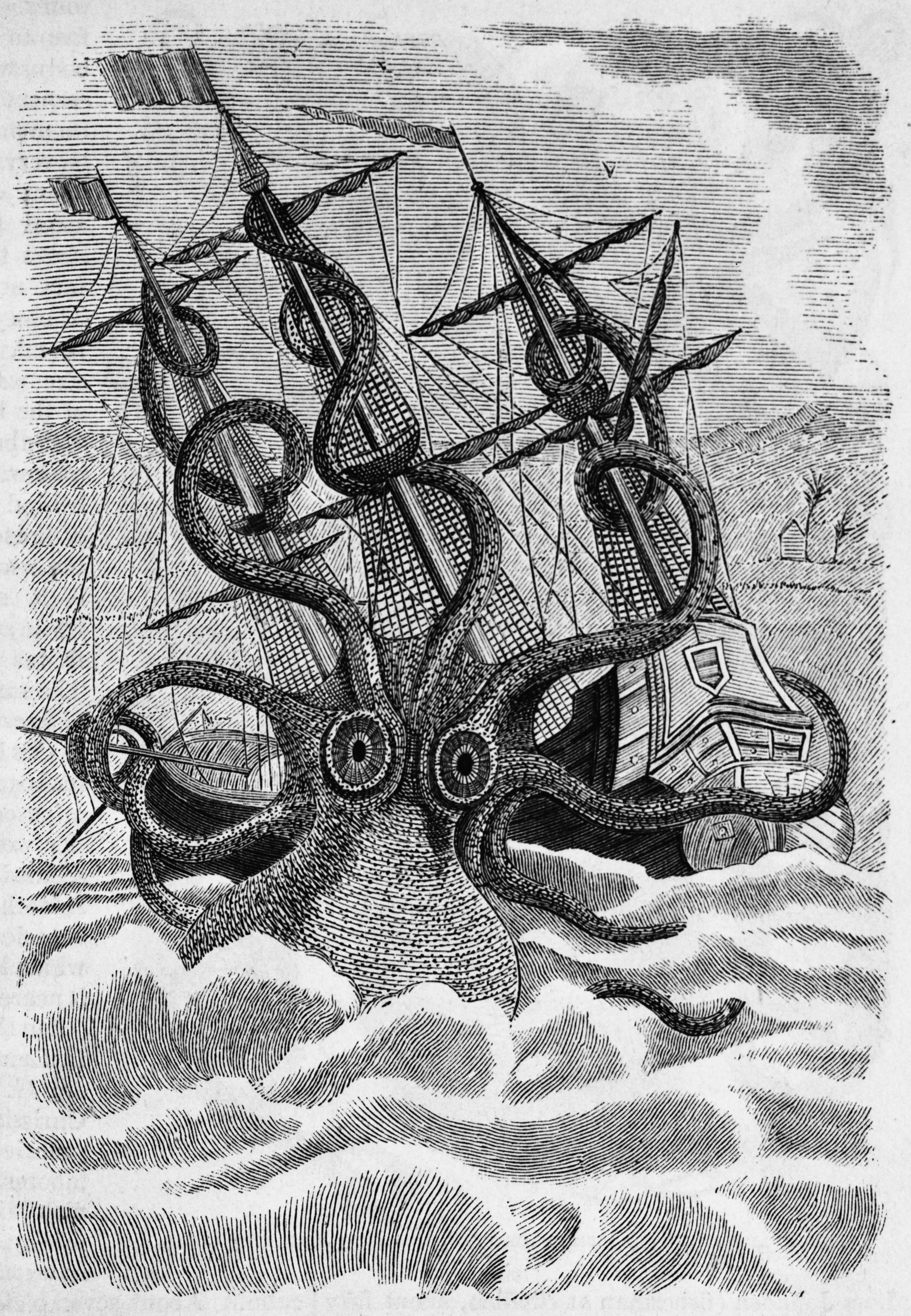
The Kraken was a legend of a sea monster, originating in Scandinavian folklore and feared by sailors of the past thanks to its depiction of being capable of destroying entire ships.
Advert
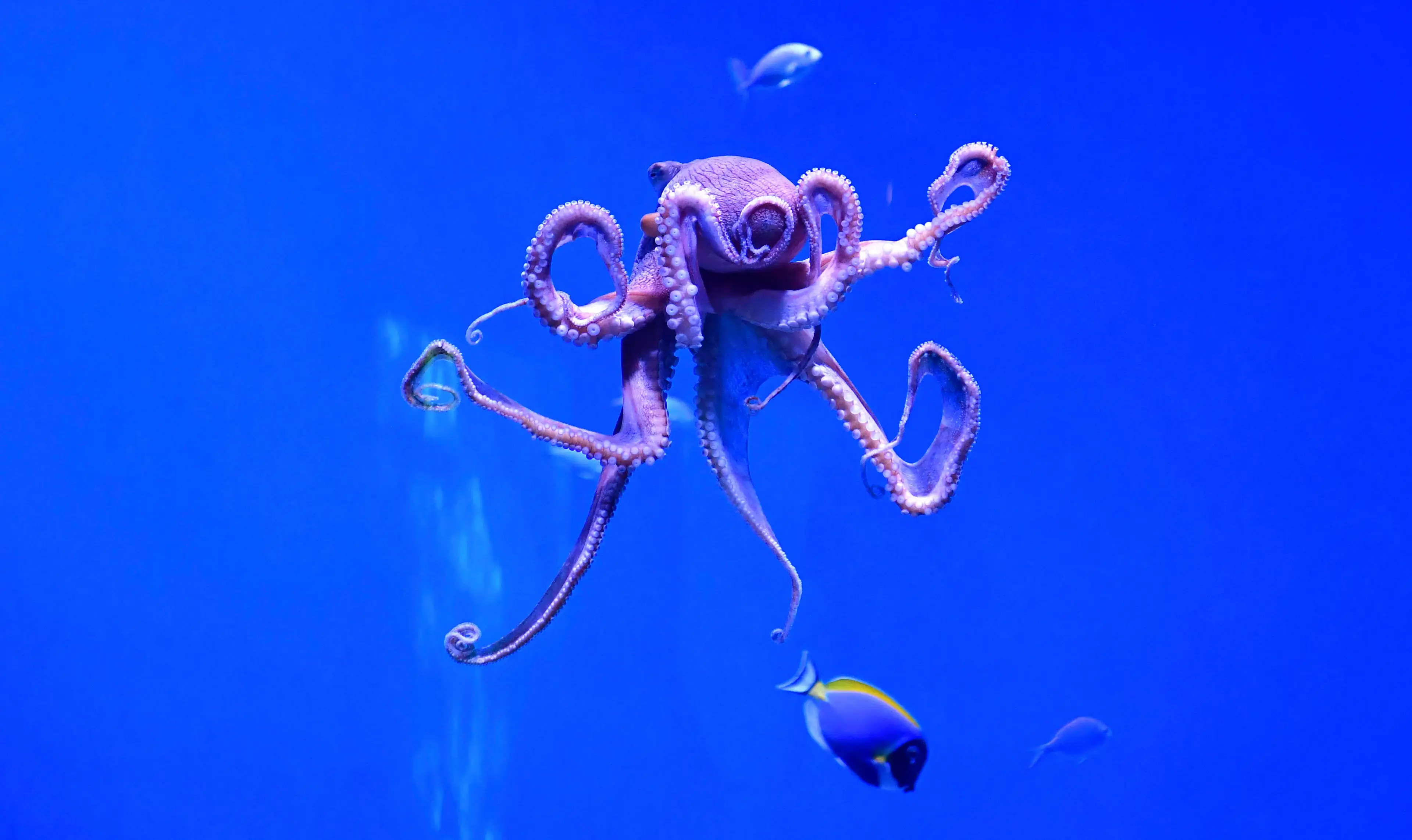
I mean, when you think about them, squid and octopus are really rather unusual creatures. And so, you can understand how they could be thought of as these mad monsters.
But there’s also the slight chance this legend came about because people sighted whopper animals lurking below the surface.
And a study published yesterday (23 April) in the American Association for the Advancement of Science found that huge cephalopods roamed the waters during the Cretaceous period.
Now, let’s just quickly clear up the jargon for the rest of the unfamiliar – cephalopods are animals belonging to the group Cephalopoda, containing octopus, squid, cuttlefish, nautilus and kin. The word derives from Greek and means ‘head foot’, perfectly describing these creatures that have eyes only just above many of their limbs.
And the Cretaceous is a geological period that began 145 million years ago and ended 66 million years ago – just after the Jurassic Period.
So, this reported fossil evidence dates back a long, long time.
The researchers wrote that the massive thing ‘had among the largest body sizes of all organisms in the Cretaceous oceans’.
Described as being 62-feet-long, the ‘top-tier predator’ is thought to have had the capability of being an absolute alpha in the seas.
The researchers examined patterns of wear on the fossilised jaws and identified two main species of finned octopuses.
Their notes say that while the giant things lived ‘far too early to have been the source’ of the Kraken legend, the fossil octopods from the late Cretaceous ‘truly would have fit the description of the monster’.
“Wear patterns on their jaws suggest that these octopods preyed upon the large reptiles present at the time, including plesiosaurs and mosasaurs,” wrote editor Sacha Vignieri. “The authors interpret asymmetry in these wear patterns as an indication of corresponding asymmetry in behaviour, suggesting complex brain development and, potentially, high intelligence.”
Well there you go, there were once massive octopuses with powerful jaws and clever brains knocking about.
 Jess Battison