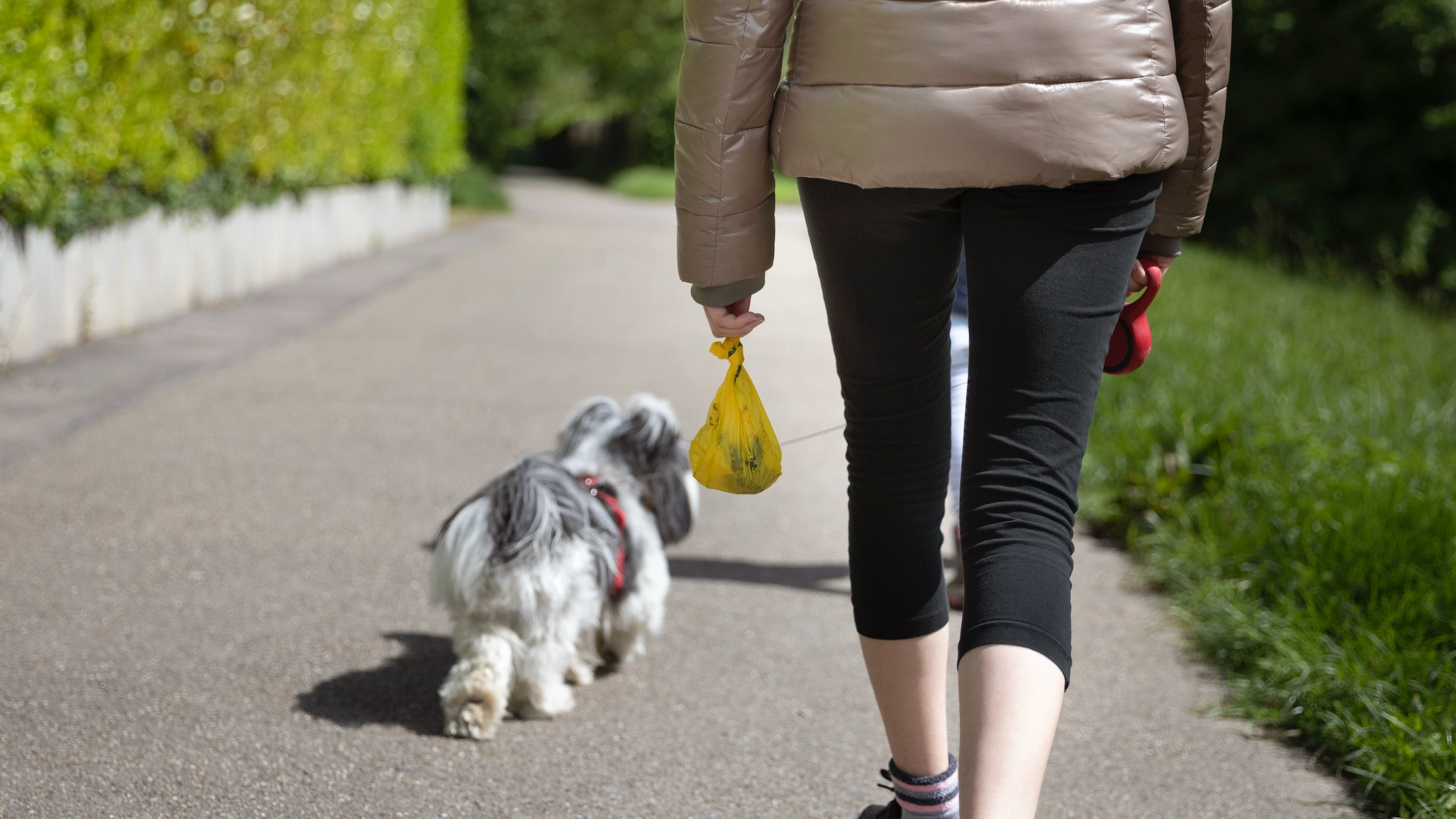
Serious health warning issued to anyone who has flushed pet's poo down the toilet

When it comes to cleaning up after your pet has finished its business, the lavatory may seem like a sensible place, right?
After all, it's where we humans do our business. And placing your animal's poop in the bin feels a little unhygienic, especially if it's at home.
If you've flushed animal poop then you're not alone either, as a study by water company United Utilities revealed that between three and six percent of people had admitted to flushing pet waste down the toilet in the areas of the Wirral and Congleton.
This doesn't sound like a lot, but bear in mind that not all of the people living there will have pets.
Advert
But while you think you might be doing the correct thing by flushing their faecal matter down the toilet, as several experts are here to warn you against doing just that.
Why you should never flush dog or cat poop down the toilet?
Ben, a veterinary surgeon, hopped onto TikTok to explain why pet owners should avoid the toilet method at all costs.
He said: "This is because of the presence of Toxocara, a worm parasite in animal faeces, which is tolerant to the high temperatures and harsh conditions found in the final stage of processing used water.
“The reason toxocara is a worry is that it’s zoonotic, we can pick it up and children are particularly susceptible.”
On top of that, people who flush dog poo bags down the loo risk causing blockages in sewers.
Water company Anglian Water writes: "Poo bags do not break down before they reach our systems, and can add to the already 40,000 blockages we have to deal with each year.
"Blockages are no fun for anybody, especially if they result in sewage not being able to get away, and instead coming back up and flooding into customers’ properties."
How dangerous can flushing pet poop down the toilet be?
Toxocara can have a nasty impact on our bodies, as if our dog or cat's poo contains worms, flushing them down the toilet means we are more likely to swallow the eggs [through the poo particles], which hatch into larvae and then move around inside our bodies.
Which sounds lovely, doesn't it...
Ben also says evidence supports links drawn between the parasite and reduced IQ and cognitive development if caught during childhood, so it's definitely something you want to avoid if you've got any young ones running around.
However, the vet did go on to say it is 'thankfully rare' in the UK, and that worming your pet is the best way to prevent this from happening. So, we can all breathe a (slight) sigh of relief.
 Brenna Cooper