
Why it took 32 years to execute Christa Pike after she killed at 18

More than three decades have ticked by since US killer Christa Pike was first sentenced to death.
On 12 January, 1995, while they were all residing at the Job Corps training campus in Knoxville, Pike, her boyfriend Tadaryl Shipp and friend Shadolla Peterson lured fellow student Colleen Slemmer out into the nearby woods under false pretences.
Over a period of half-an-hour, Shipp carved a pentagram into the victim's chest with a Stanley knife (plus other torturous inflictions), before Pike crushed Slemmer's head with a giant piece of asphalt. Within 36 hours, this heinous act resulted in the trio's arrest.
Peterson ultimately agreed to become a witness for the prosecution in the criminal trial and went on to receive probation after pleading guilty to being an accessory after the fact.
Advert
Shipp, meanwhile, is currently still incarcerated at Tennessee's Northwest Correctional Complex, having avoided the death penalty due to his 17 years of age at the time of the killing.
It may have taken 31 years to get to this moment, but today, Pike is finally due to be put to death via lethal injection — the resounding question being, why has this punishment taken so long?
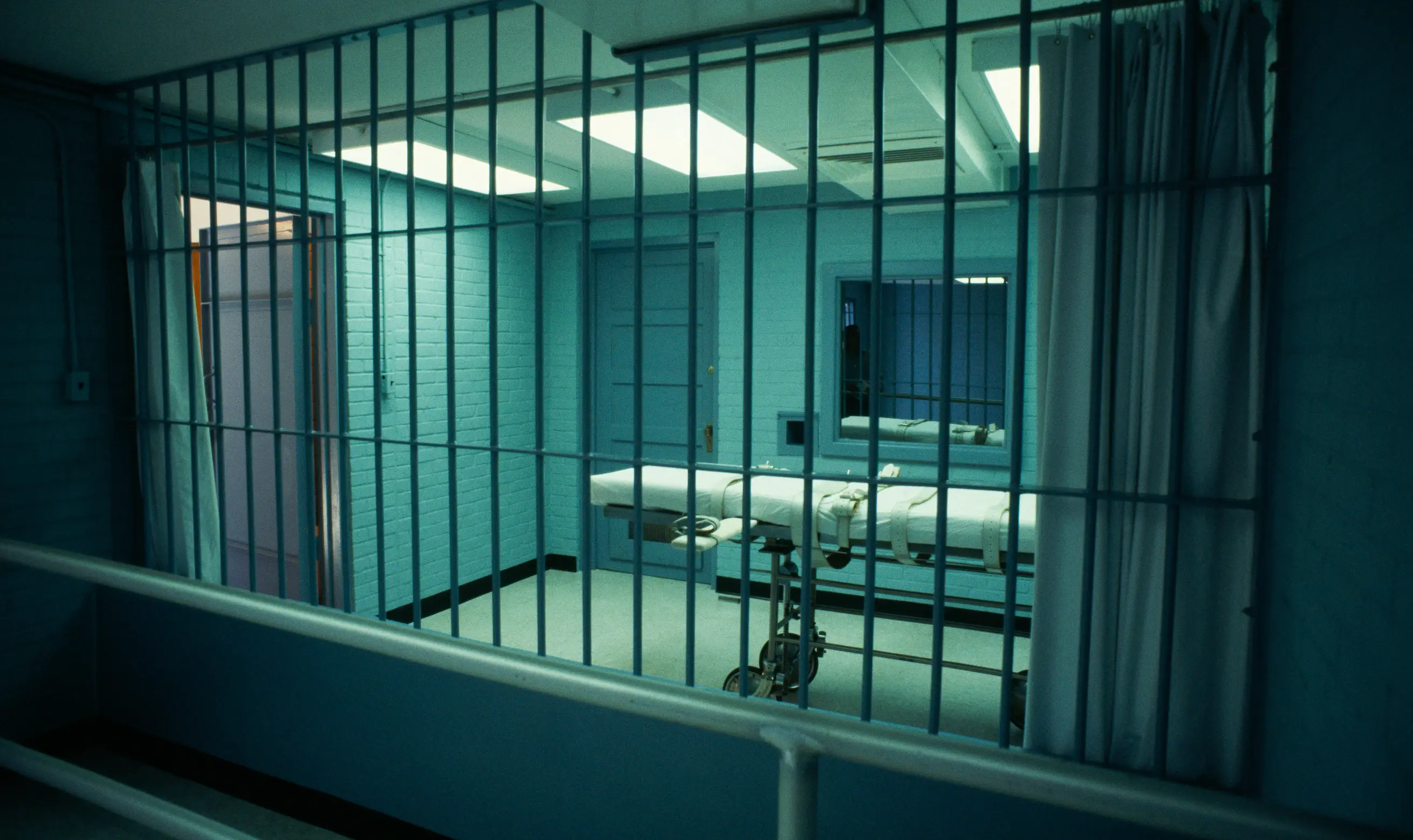
Boasting the death penalty across 27 states in total – Texas, Florida, Oklahoma, Missouri, and Alabama included – the US criminal system is a slow and cumbersome beast.
According to the Death Penalty Information Center, prisoners sentenced to meet their maker typically spend over 10 years awaiting the big day. This is thanks to a multi-layered appeals process that is intended to prevent such an irreversible outcome.
Mandatory sentencing reviews are now the norm, while lawful and technological changes constantly cause the reexamination of individual cases.
"People are adamant that every avenue should be exhausted to make sure there is no chance (the condemned) are not guilty. The surer you are, the slower you move," said former Georgia Attorney General Mike Bowers in 2001.
There's certainly method in the delays, given the fact that as of 2021, 33 of the men and women wrongfully sentenced to death had waited at least 20 years to be exonerated. For a severely unfortunate 12 of them, exoneration took 30 years or more.
In a jaw-dropping development, it's been reported that Pike's lethal injection was halted just an hour before it was set to be completed this morning.
The US Court of Appeals for the Sixth Circuit approved a request for a 'stay of execution for Pike'.
Her attorney shared in a statement: "The court has stayed this recognising the serious concerns about Christa's scheduled execution," while the court itself noted: "The interests of justice and the finality of Pike's impending execution compel the entry of a short stay of execution in order to properly analyse the parties' fully briefed arguments and resolve the issues on the merits."
Judges are keen to review whether Pike's allegations of sexual abuse and rape as a child were thoroughly considered before her death sentence.
It's now unclear how long the execution at Nashville's Riverbend Maximum Security Institution may be paused for.
 Dan Seddon