'Five people identified' who took part in alleged human sniper safaris killing 'pregnant women and children'

A journalist who has been investigating the allegations of 'human sniper safaris' during the Siege of Sarajevo said there was a file opened many years ago, which could prove it happened.
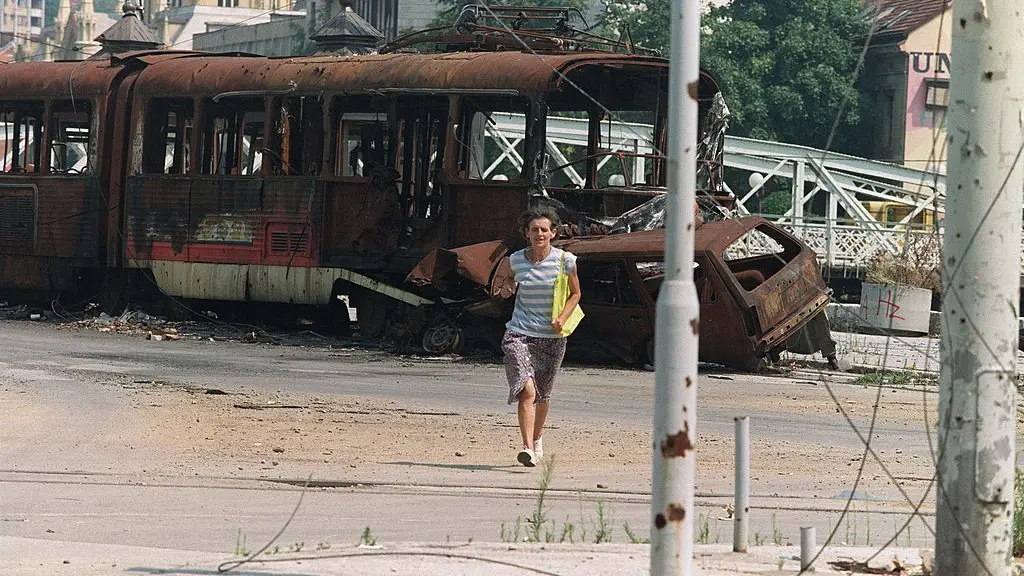
Amid the civil war in Bosnia in the 90s, the capital city of Sarajevo spent four years under siege. An Italian journalist, called Ezio Gavazzeni, filed a complaint claiming that during this time wealthy individuals paid to be taken into the besieged city and shoot at civilians.
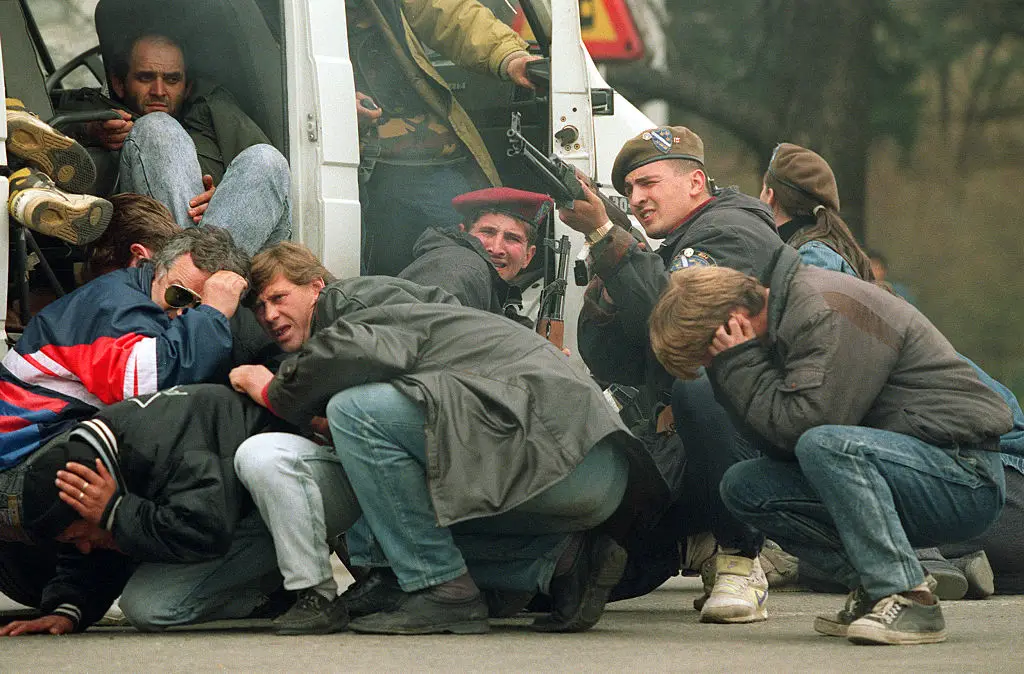
It resulted in over 11,000 deaths and the allegations about 'sniper safaris' claim that wealthy people of many nationalities paid to contribute to the civilian death toll.
Gavazzeni said 'around 500 people' who had been 'from all Western countries' had participated in the sniper safaris and generally those who paid to participate would kill somebody.
The journalist said there were varying prices depending on who someone wanted to shoot, with the most expensive targets being children and the cheapest being adults.
He told LADbible: "What is shocking is that there were set rates: 100 million lire [£45,000] (from 1992-95) for a child or a young girl; 70 million [£30,000] for a woman; 50 million [£22,000] for a man; and just under 20 million [£9,000] for a very elderly person.
"These rates were confirmed in a recent Times article by Tom Kington, which cites an investigation by a Croatian journalist who confirms - through a different perspective and sources - the same pricing I found.
"The money was all exchanged off the books, in suitcases or bags, in cash. The organisation was based in Belgium and had contacts in individual European countries whose role was to find wealthy clients."
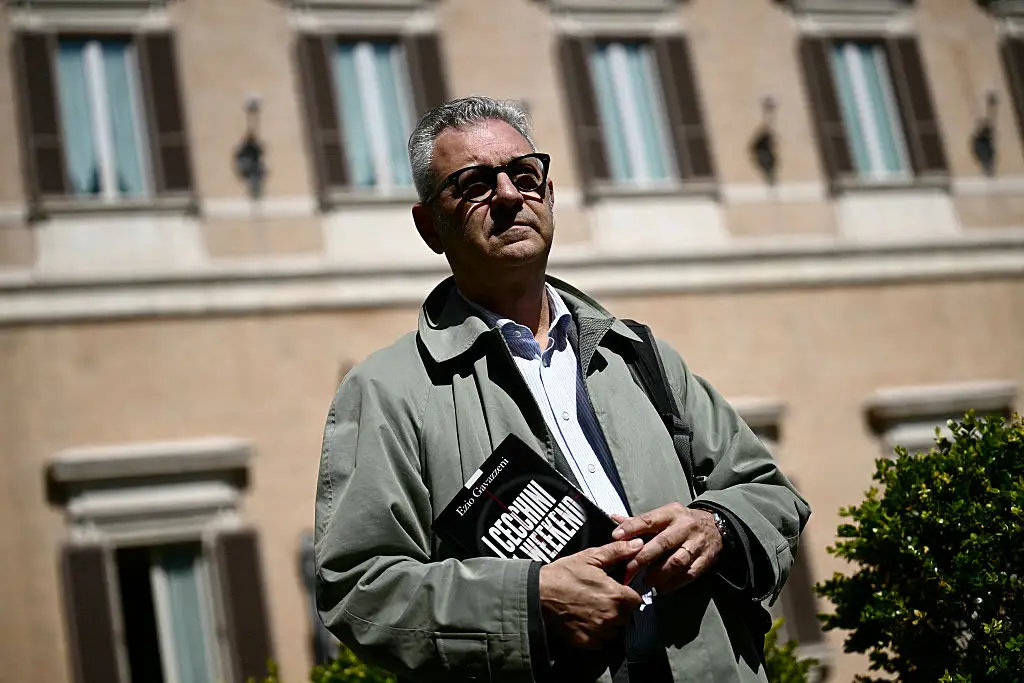
Gavazzeni said it was 'difficult - if not impossible' to find a 'smoking gun' which definitively proved these claims.
He said: "These events date back 30 years; there are no photos or videos. I believe that moving from an 'urban legend' - which is what this was before my investigation - to an established 'fact' happens through testimonies.
"When there are many testimonies given by people who don’t know each other, but all converge on the same point, then we can speak of a fact."
However, he added that multiple testimonies claimed that in 1993, Italian secret services had opened a file on the sniper safaris, which said five Italians had been identified.
Gavazzeni continued: "We also must not forget that there is a file opened in 1993 in Sarajevo by our secret services (SISMI), which specifically mentions five Italians intercepted and identified by the services on the hills around Sarajevo.
"Three testimonies confirm the existence of this file: Edin Subasic, Michel Giffoni, and Adriano Sofri.
"The fact that such a file exists, and that it even includes five names of sniper-hunters, shows that we are no longer dealing with just a few testimonies but with a documented phenomenon."
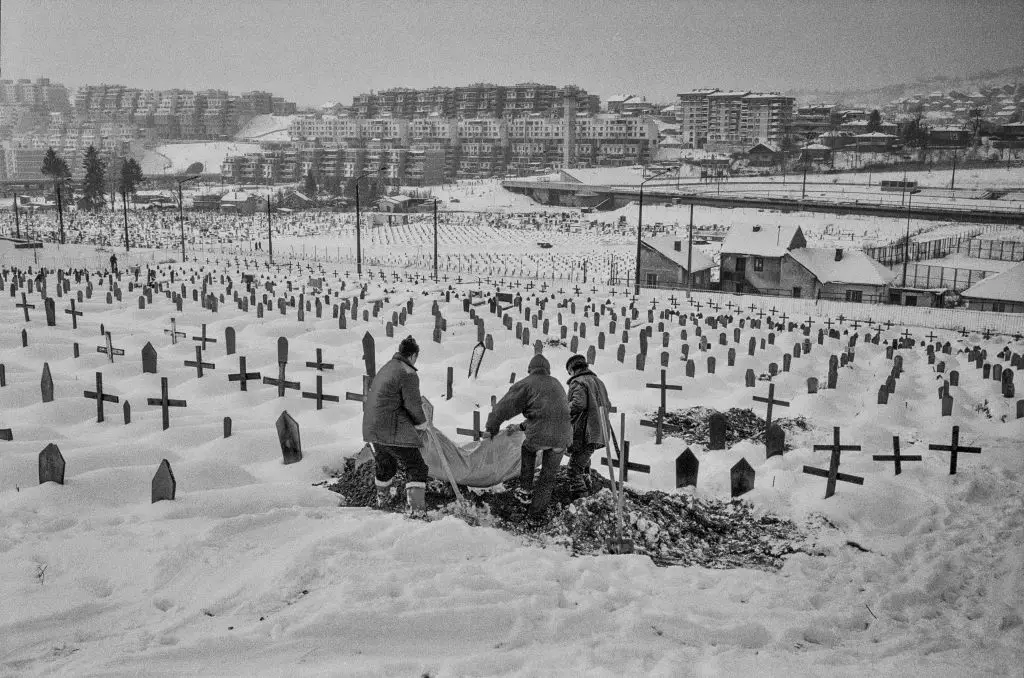
Other journalists investigating the siege of Sarajevo have made similar claims to Gavazzeni.
Croatian journalist Domagoj Margetic released a book titled Pay and Shoot, where he claims tourists would pay large sums to shoot pregnant women.
He also suggested a European royal had been involved, who he claimed 'would arrive by helicopter' and 'wanted to shoot at children'.
Margetic also alleged that he was given documents by Bosnian intelligence officer Nedzad Ugljen, before he was shot dead in 1996, which laid out the prices charged for people to be brought into Sarajevo and taken to a sniper position where they could shoot somebody.
Former US marine John Jordan had also testified at The Hague in 2007 about this, saying he'd never seen a tourist taking a shot, but insisted 'tourist shooters' came to Sarajevo 'to take pot shots at civilians for their own gratification'.
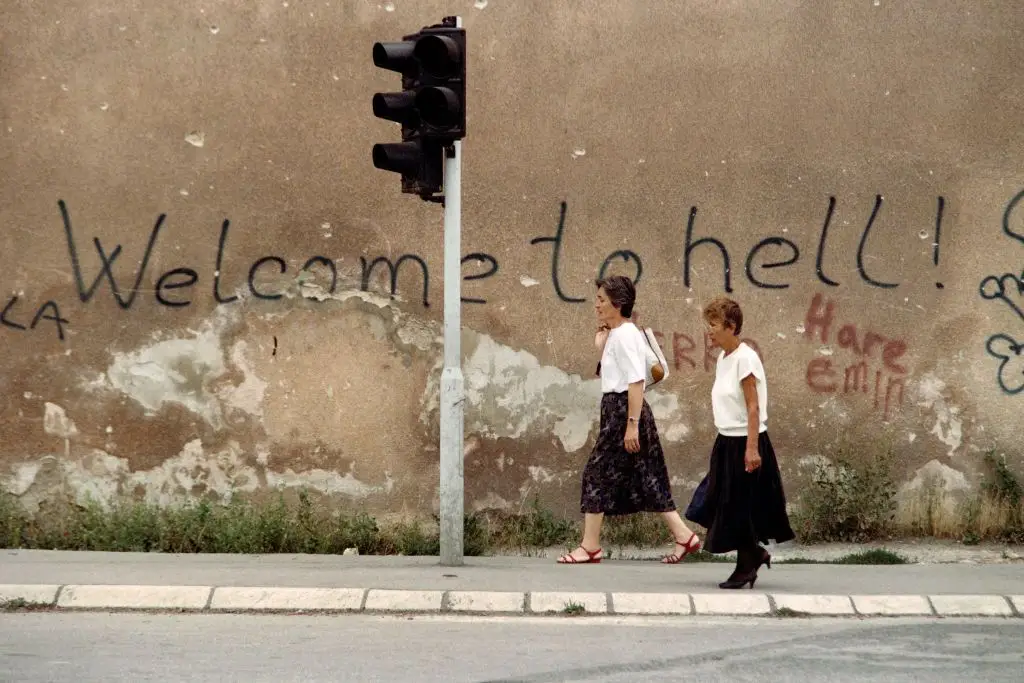
A timeline of the Sarajevo 'human safari' allegations
5 April 1992
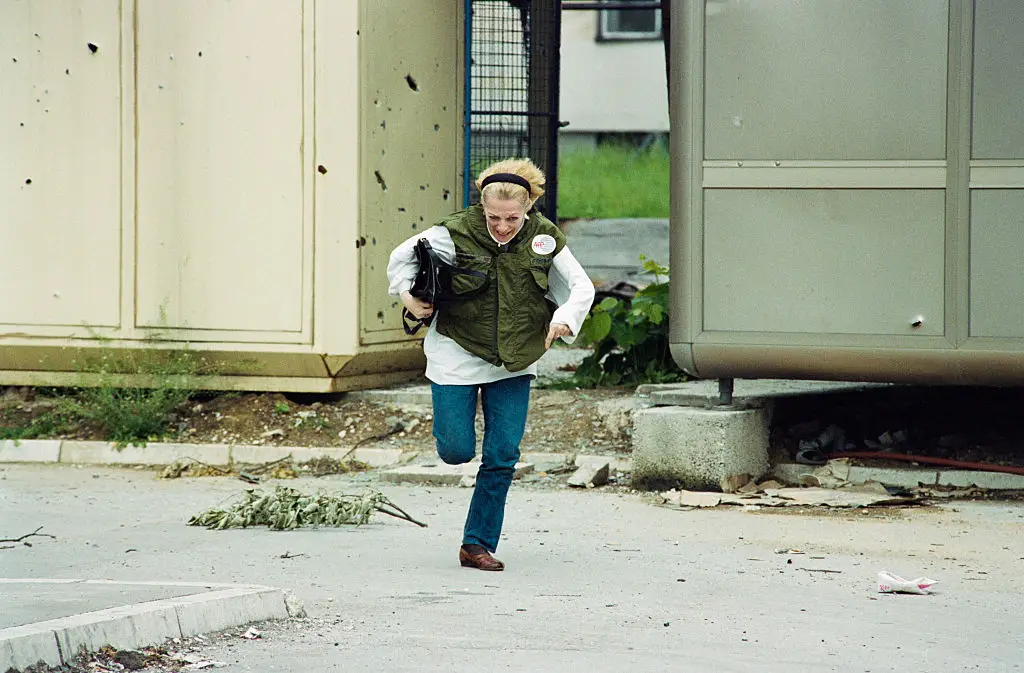
The Siege of Sarajevo begins. For almost four years, the 400,000 inhabitants of the city suffer from shelling and snipers, with many cut off from food, water, medicine and electricity.
Late 1993
Bosnian military intelligence officer Edin Subasic comes across testimony from a Serbian volunteer. He later tells El País the man spoke about seeing ‘five Italians who had hunting equipment and expensive weapons’ who described themselves as ‘hunters who paid Serbs in Sarajevo to shoot people in the city’.
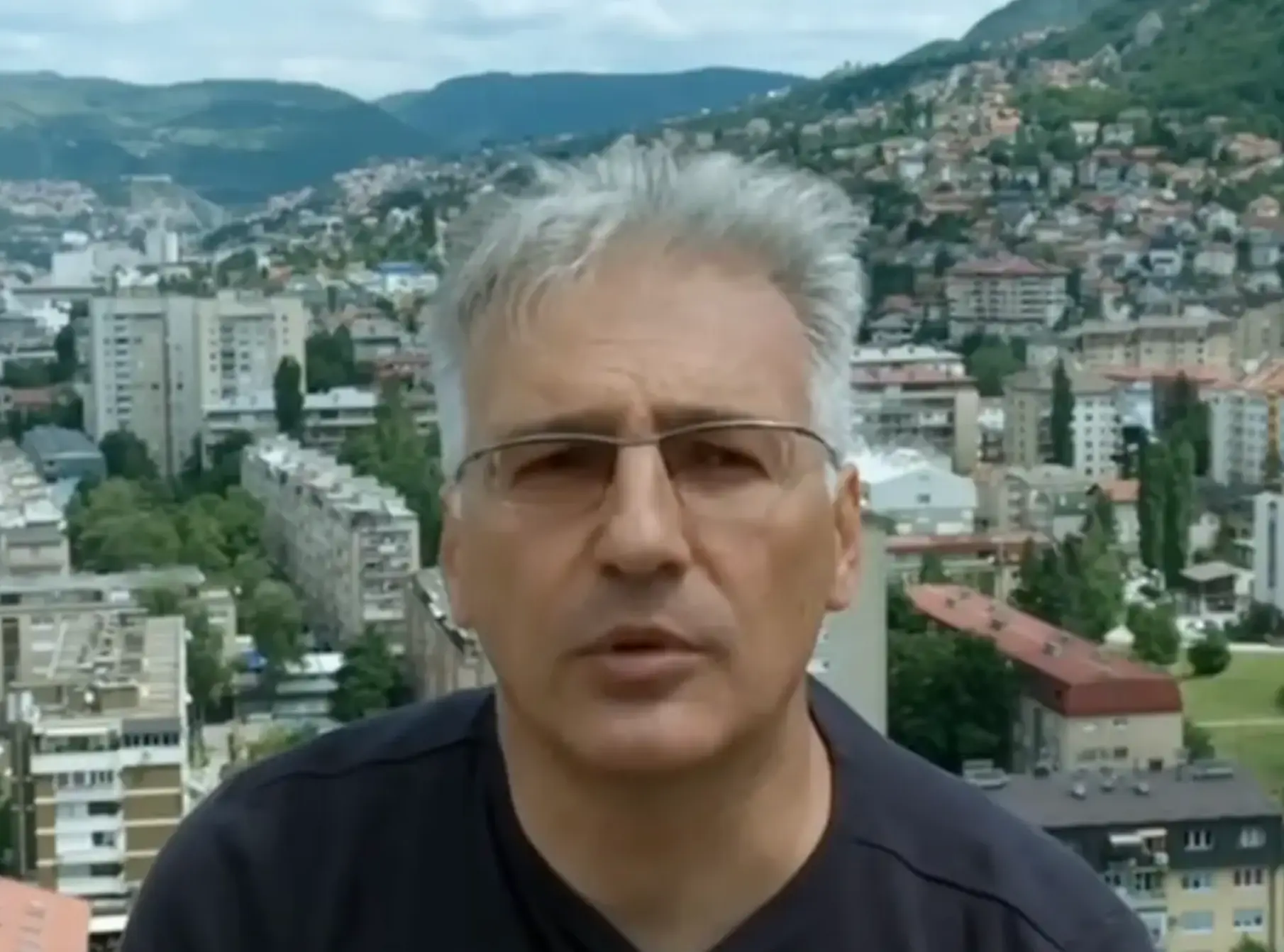
29 February 1996
The Siege of Sarajevo ends.
2007
Former US Marine John Jordan testifies to the International Criminal Court about ‘tourist shooters’. He said: “I never saw one of these tourist shooters take a shot. I just saw them being handled and moved around known sniper positions.
“It was clearly obvious that the person being led by men who were familiar with the ground was completely unfamiliar with the ground, and his manner of dress and the weapons they carried led me to believe they were tourist shooters.”
2014
Luca Leone writes in his book The B***ards of Sarajevo of European tourists paying at checkpoints managed by Serbian paramilitaries in Croatia and Bosnia to shoot civilians in Sarajevo.
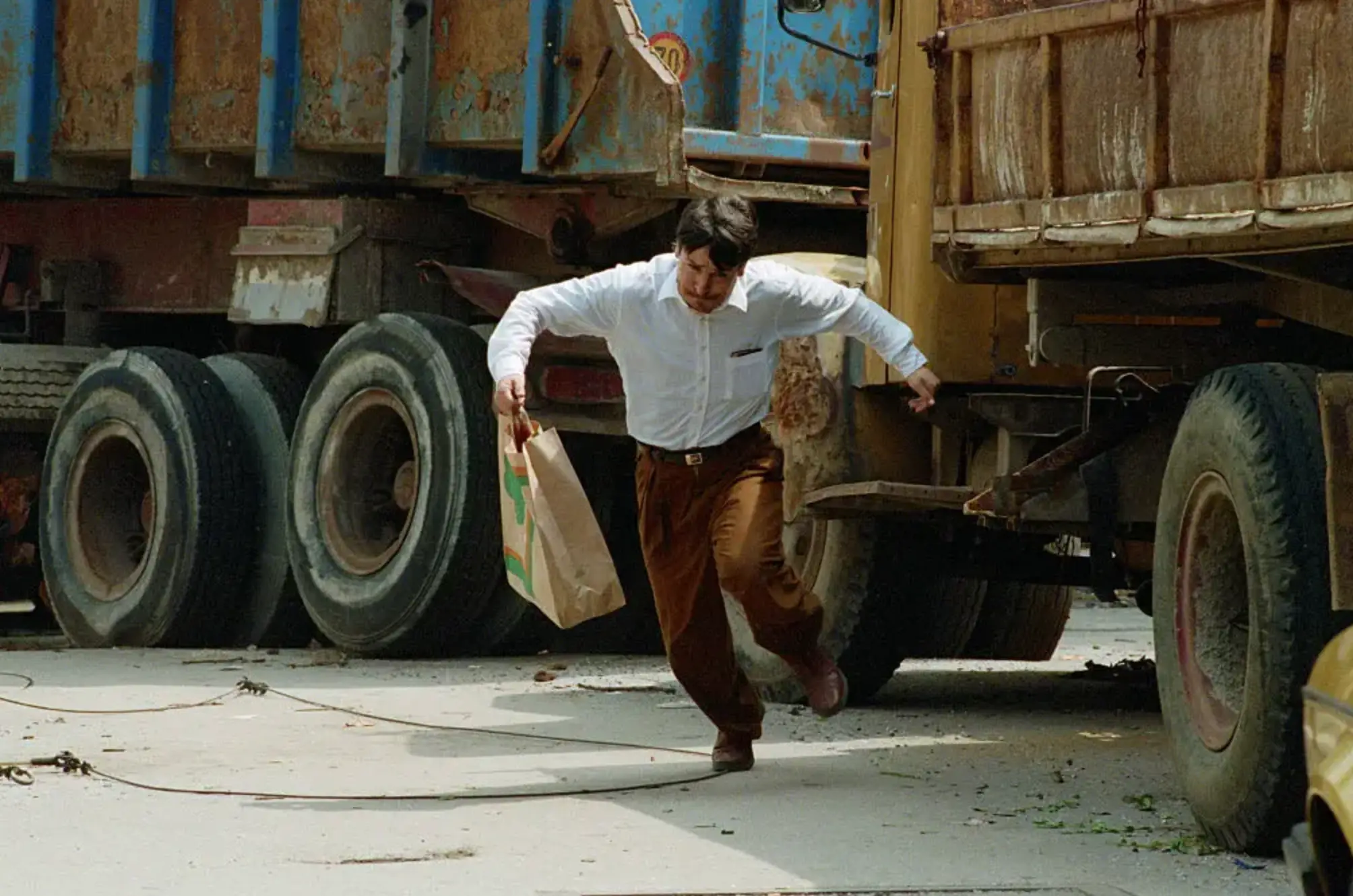
2022
The documentary Sarajevo Safari by Slovenian director Miran Zupanic further drags the murky details of the alleged human safaris into the public eye.
The film includes testimony from Subasic and an unnamed Slovenian source who worked for ‘an important American agency’. The latter claims in the film to have seen ‘how, for certain sums of money, strangers would come in to shoot at the surrounded citizens of Sarajevo’.
November 2025
The public prosecutor's office in Milan opens an investigation into claims Italian citizens were involved in the ‘human safaris’, after journalist and author Ezio Gavazzeni filed a legal complaint.
Meanwhile, US congresswoman Anna Paulina Luna says she has opened her own investigation and vows: “If there are any Americans who have engaged in this, they deserve to be charged and prosecuted.”
February 2026
An 80-year-old Italian truck driver allegedly becomes the first suspect investigated over the ‘human safaris’.
Topics: World News, History, Crime
 Joe Harker