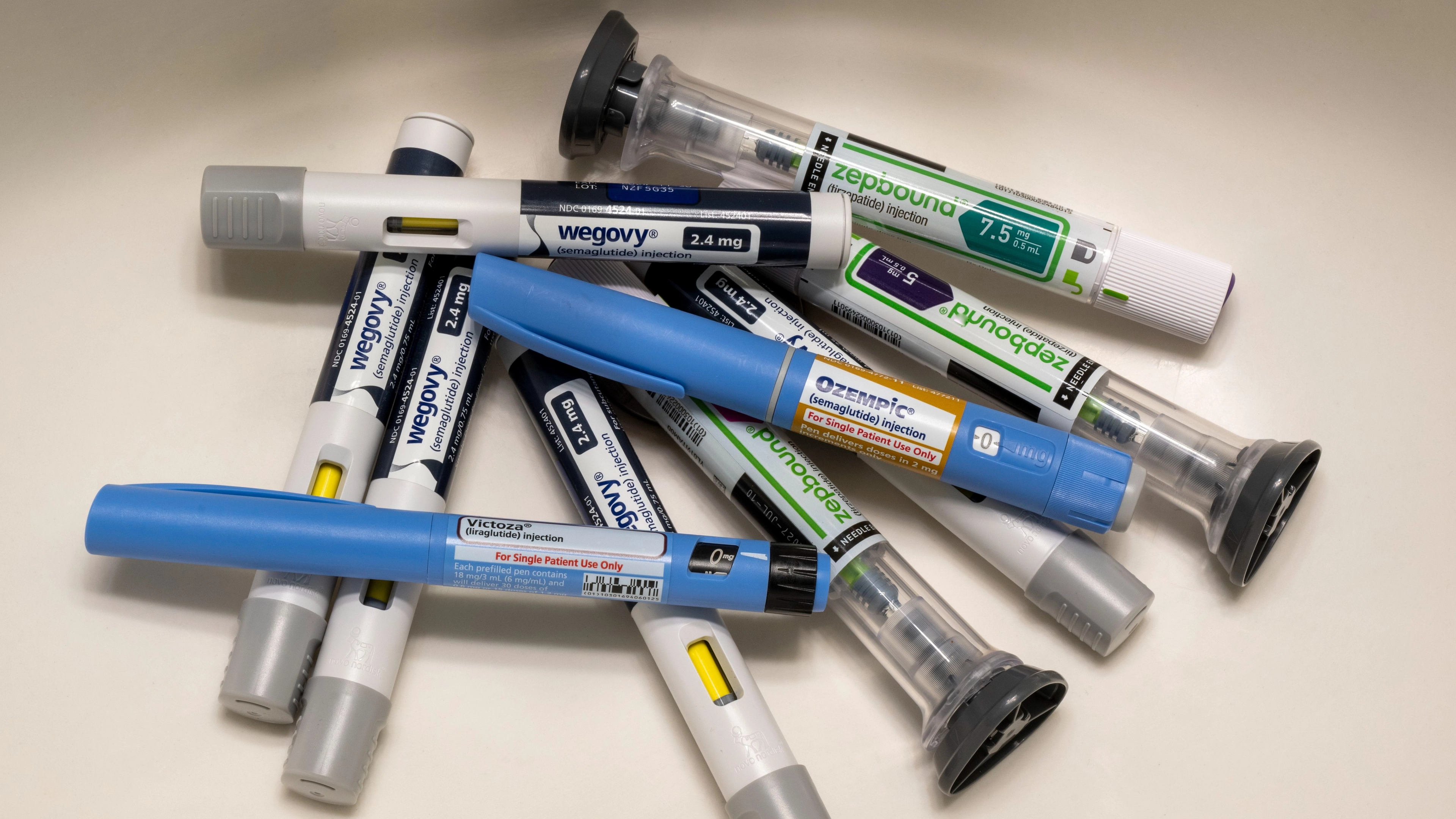
New Study suggests GLP-1 weight-loss drugs could slow ageing and extend lifespan

Is the secret elixir to extending our lifespan actually GLP-1 drugs? According to research, it couldn’t hurt to check.
New research has revealed GLP-1 drugs could fight more than health conditions like 2 diabetes and obesity.
Instead, it could be a potential aid to extend life.
Researchers at the University of California, in Berkeley, US, have published their findings in Nature on 2 September, which found that semaglutide, a GLP-1 receptor agonist, prolonged the life span of their test subjects.
Advert
However, there’s a lot more to this than meets the eye.
The researchers explained that while this study could mean the possibility scientists could ‘potentially broaden the application of GLP-1 medicines to healthy aging individuals to slow aging and extend life span,’ there’s more research to be done.
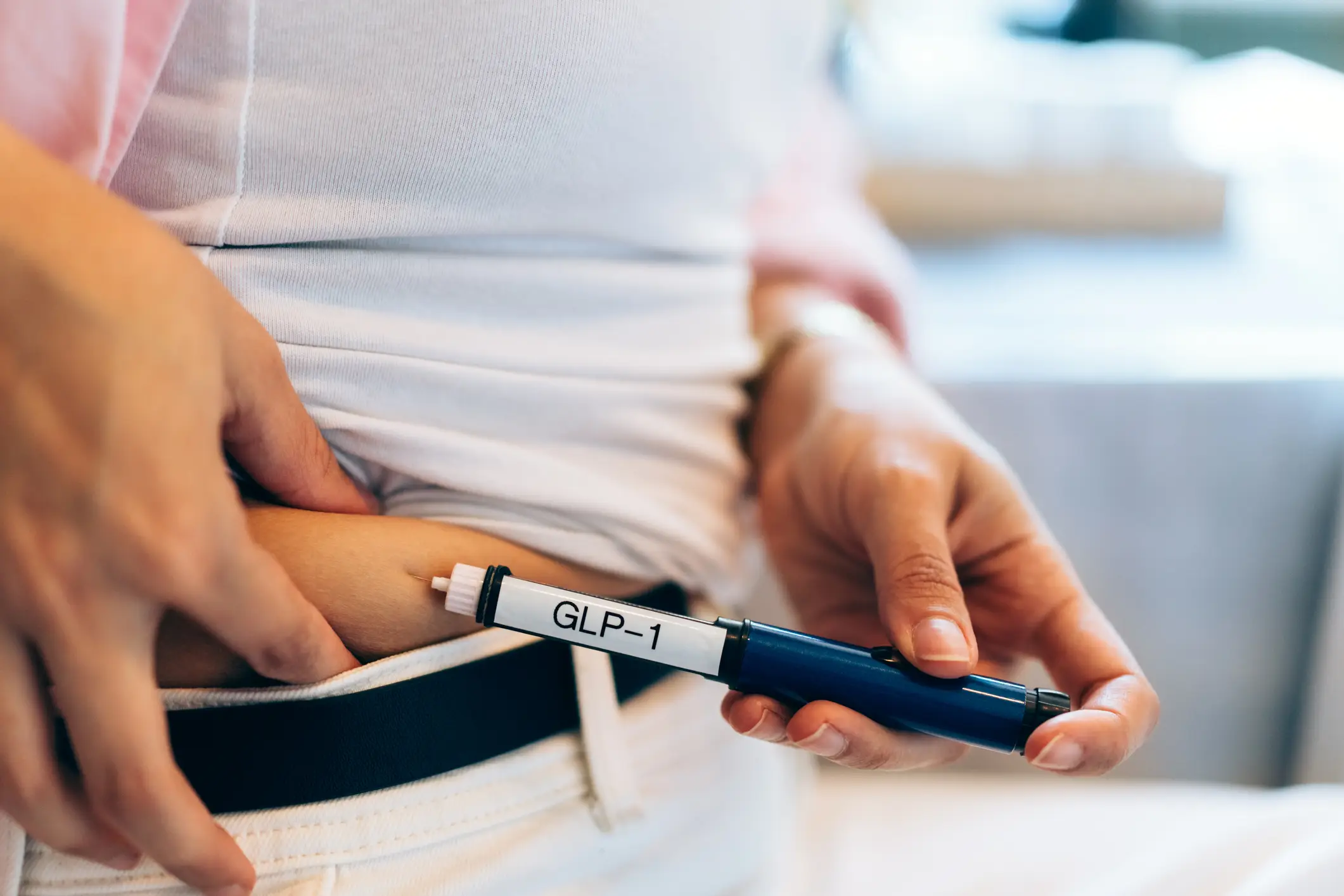
Before you race to the pharmacy and demand a prescription, there’s something you need to know.
It’s not claiming to be a solution for young people, but that of later in life elders.
According to the research team, the study’s ‘data indicate that GLP-1R activation late in life mimics the beneficial effects of calorie restriction and effectively alleviates the hallmarks of ageing.’
Then, while there’s a lot of promising data coming out of the test, some points require further inspection.
Danica Chen, a study author and professor of metabolic biology, nutritional sciences and toxicology at the University of California at Berkeley, told Newsweek of the findings.
She explained that in a test conducted using female mice as the subjects, the GLP-1 treatment ‘improved physiological function, attenuated hallmarks of aging, and modulated nutrient sensors and conserved genetic regulators of aging.’
Simply put, it did the opposite of what ageing does to the body, and that apparently enabled mice to live longer.
But it’s not a cure for ageing.
The researchers treated 20-month-old female mice daily with semaglutide injections and found that the mice saw their life span increased from 742 days to 834 days.
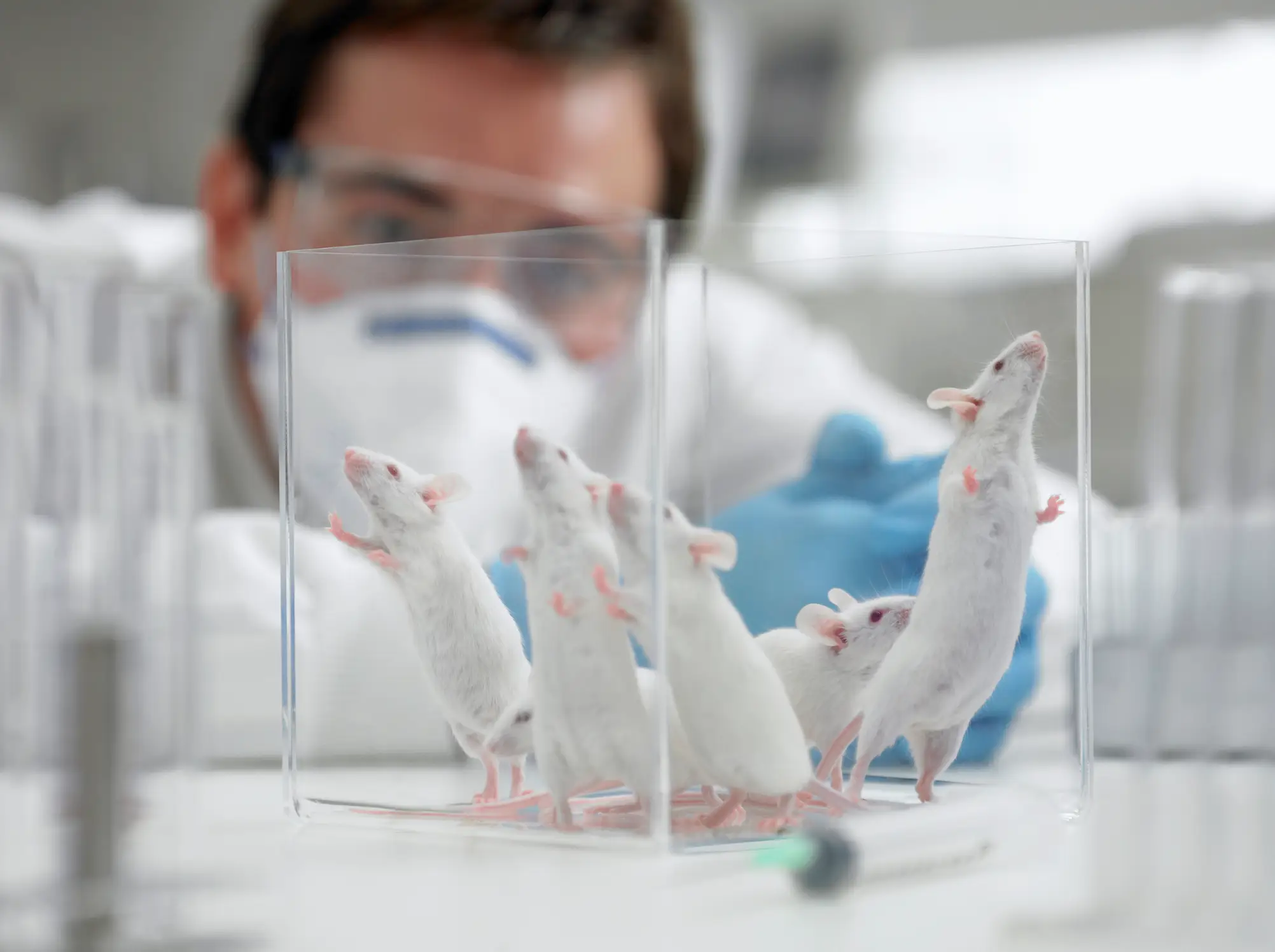
And because this is a GLP-1 drug, the mice allegedly saw a 24 per cent reduction in appetite, body weight and tissue weight.
Skinny longevity, perhaps.
The researchers went on to describe results ‘consistent with a broad delay in age-associated physiological deterioration’, which is the reason the mice didn’t die at their median age of just over 700 days.
They shared how ‘ageing leads to physiological decline, including reduced locomotor activity and exploratory behaviour in a novel environment, decreased motor coordination, poor muscle function, metabolic dysregulation and cognitive decline’.
The ‘semaglutide treatment reduced ageing-associated inflammation’, and also ‘downregulated lipid metabolism and inflammatory responses while upregulating adaptive immune response, insulin response and proteostasis’, claimed the scientists.
Chen concluded that the semaglutide could have worked so well ‘in part by reducing calorie intake,’ but this line of reasoning would ‘require further study.’
 Britt Jones