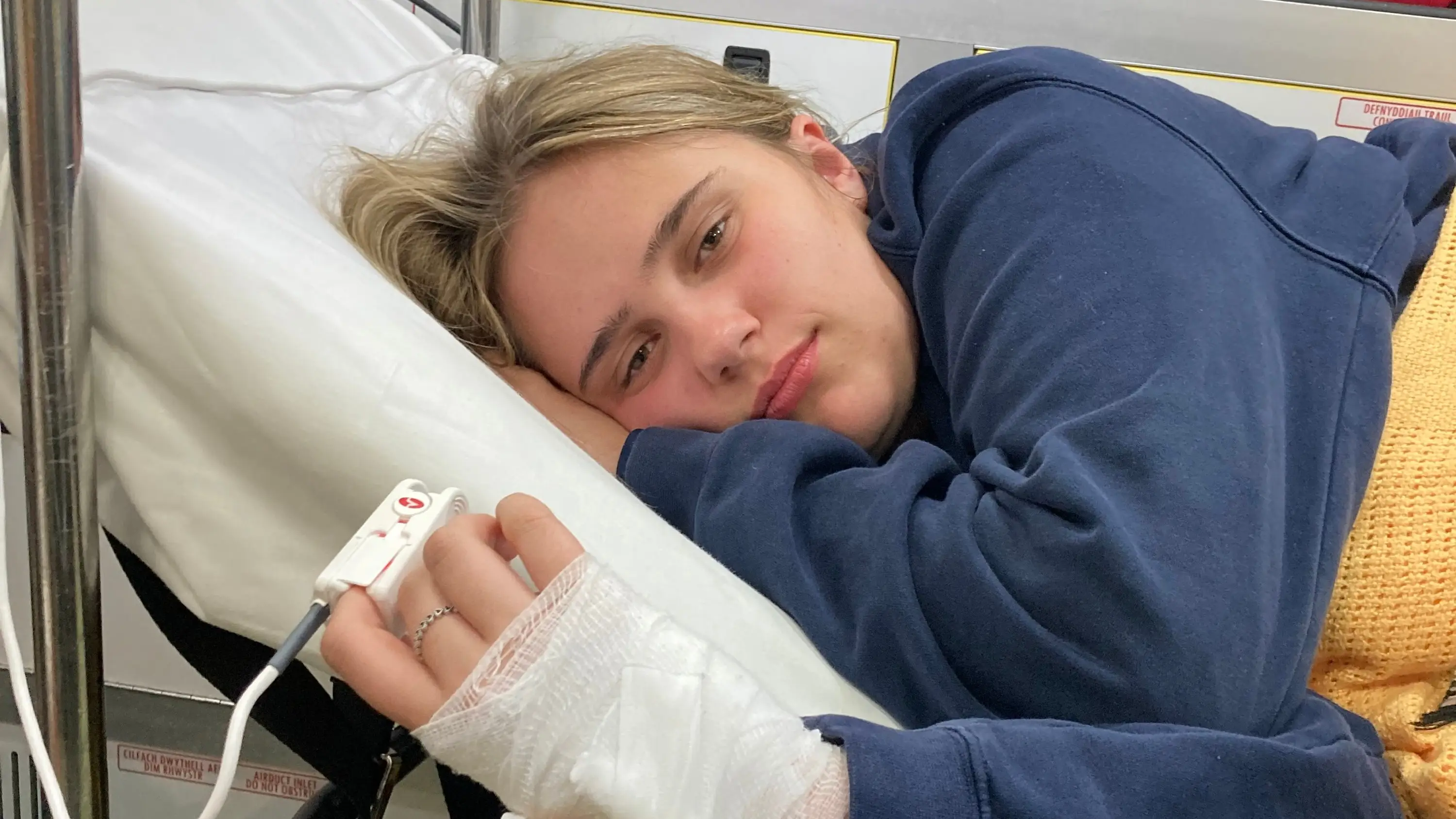
Teacher, 23, who thought she had anxiety is hospitalised after distressing ChatGPT diagnosis

A teacher turned to AI after being told her symptoms were actually just anxiety, only to discover she actually had a far more serious condition than she had realised.
Being misdiagnosed with anxiety is a particular health problem amongst women, with some studies showing that men are 66% less likely to be misdiagnosed.
Just yesterday Terry Crews’ wife Rebecca shared that she had been told she had anxiety, only to discover that the symptoms she had been having were actually Parkinson’s disease.
Phoebe Tesoriere, 23, had struggled for the majority of her life with abnormal walking, something she had always chalked up to the absence of her left hip socket, something she has since had restored.
Advert
The UK-based woman spent four years being misdiagnosed with several conditions due to her abnormal gait, ranging from anxiety to a more serious condition called ‘Todd’s paralysis’ which causes your legs to become stiff after seizures.
Phoebe had a seizure in 2025, causing her to become comatose for 48 hours and giving her difficulties with walking.
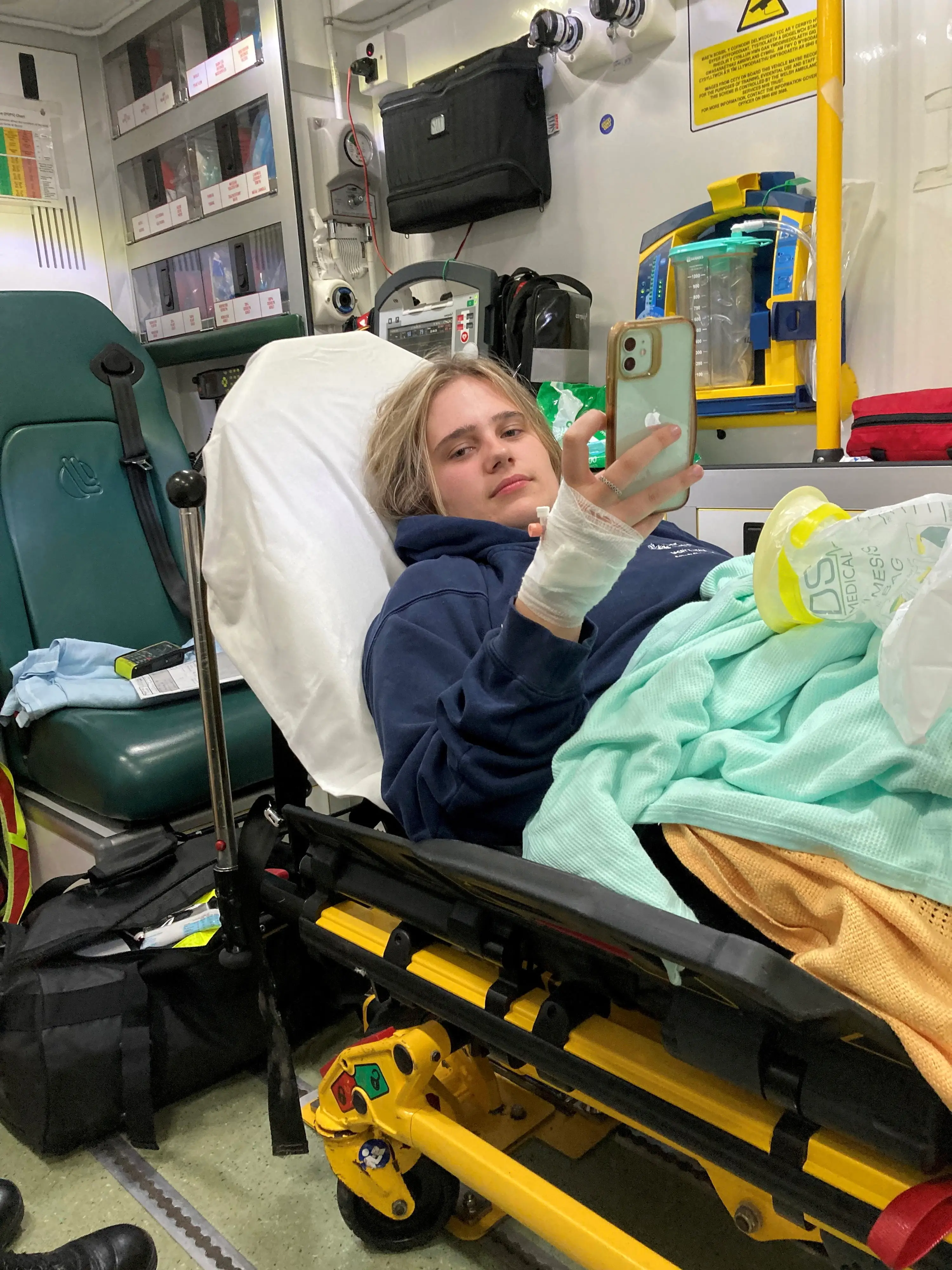
Despite the severity of this she was discharged and sent a letter by the doctor in question telling her that, if she came back to hospital, she had to be treated as a mental health patient.
As a result of her frustration over the constant misdiagnoses the 23-year-old took to ChatGPT.
Phoebe listed all her existing symptoms: double incontinence, her ankles locking up, swinging between having hyper reflexes and no reflexes, hair loss, epilepsy, a loss of feeling below her belly button and elbows and, as mentioned before, an inability to walk.
In a shock for anyone who has used AI and been fed false information however, the bot was able to make a diagnoses that doctors had been failing to give Phoebe. It pointed to Hereditary Spastic Paraplegia (HSP), a group of rare inherited disorders.

HSP causes weakness and stiffness in leg muscles, leading to symptoms gradually getting worse over time.
In August of 2025, months after making the discovery via ChatGPT, she was diagnosed with the complex quadriplegic variant of HSP, meaning that it affects all four of her limbs.
Phoebe, who is from Cardiff, Wales, said: “It was such a bittersweet moment to be diagnosed after being told it was anxiety.
“To go from that to matter of weeks later being told actually you’ve got this condition which will change your whole life.
“It’s one of those things where I’m happy to have my diagnosis because it made sense but I’d rather it be anything else but this.
“People think ‘oh she just can’t walk’ or ‘it’s a massive thing she’s had but at least it’s not a spinal cord injury’. It is, and it’s progressive.

“At night I have to wear splints on my arms to keep them functioning as long as possible. There is no treatment but my doctors hope they can slow the progression, but there’s nothing they can do to stop it”.
Speaking about using ChatGPT after being misdiagnosed, she said: “I thought I have all the symptoms surely I should be tested for this,” she said.
“I thought I’d just go to the doctors, they worst thing they could say is no.
“We did genetic testing and it came back I had the condition which explained everything.
“It’s such a rare disease nobody knows about it and mine is one of the rarest you can have”.
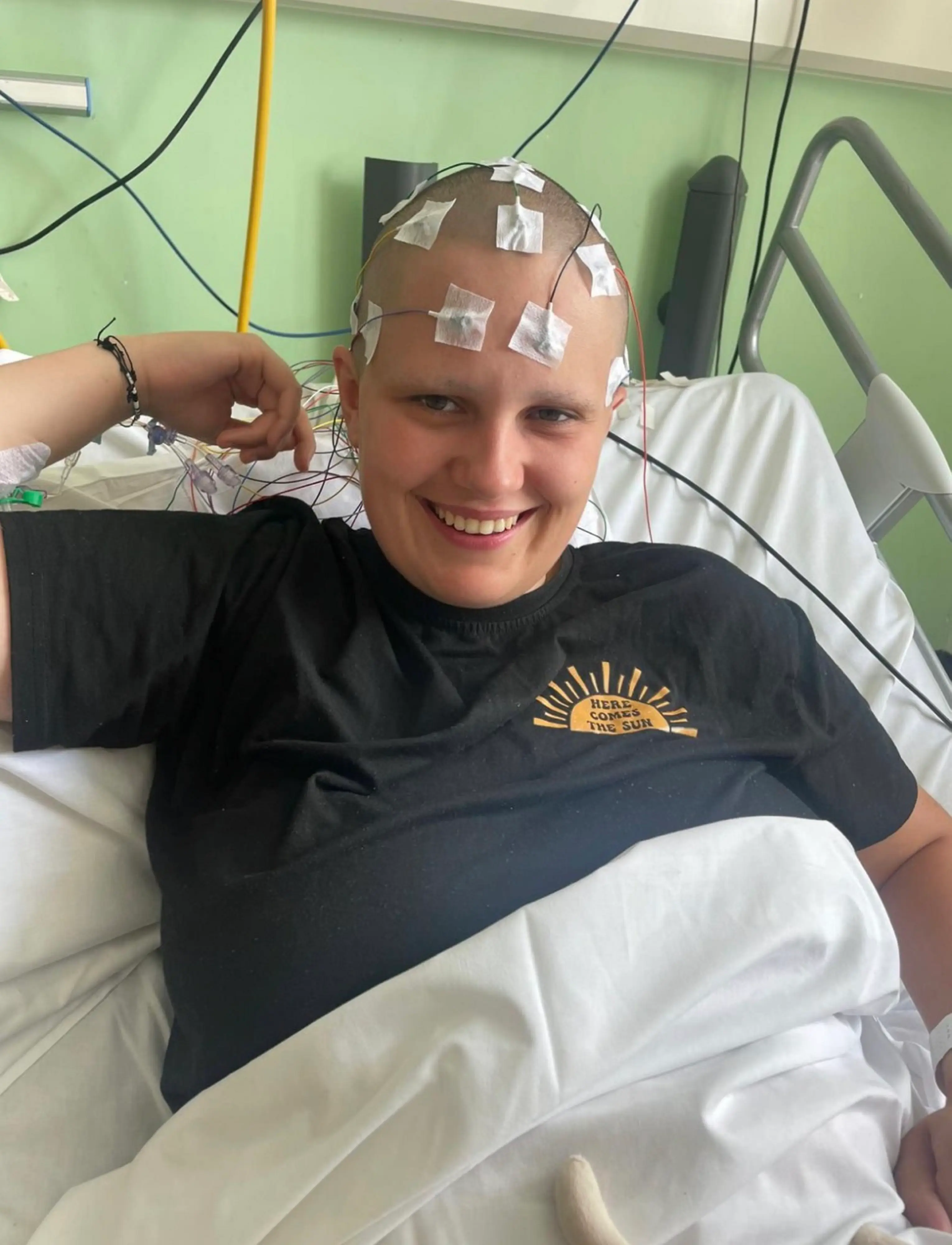
Phoebe is now fundraising for a special type of wheelchair which can be found here.
A spokesperson for Cardiff and Vale University Health Board said:
“We are sorry to hear about Phoebe’s experience while in our care and recognise how difficult the process of obtaining a diagnosis has been for her and her family. As it would be inappropriate to comment on an individual patient case, we are unable to comment further. Phoebe is welcome to contact our Concerns Team should she wish to discuss any aspect of the care she received at Cardiff and Vale University Health Board.”
If you are concerned about your health, please contact your GP or 111. ChatGPT should not be used as a replacement for a GP or Medical Professional.
Topics: Health, ChatGPT, Artificial Intelligence
 Michael Slavin