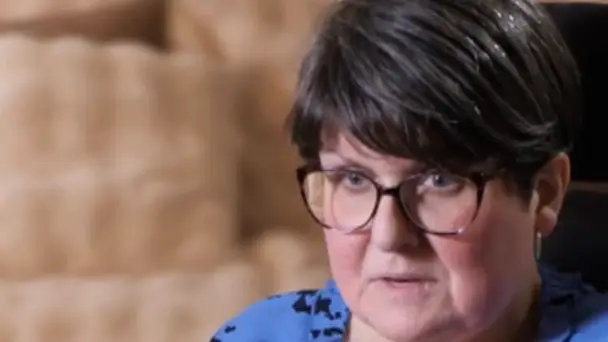
Woman ‘living with death sentence’ after operation left her with incurable condition

A woman who has claimed she is living with a 'death sentence' has explained her condition, and why it has come back to bite her 50 years after.
Back in 1975, Natalie Bralee-Brett was three and underwent surgery for a birth defect she had called spina bifida, which is caused by a gap between the brain and spinal cord.
The NHS operation was carried out at Great Ormond Street Hospital in London, where doctors told mum Maureen that her daughter would live a prolonged and improved life if they used a new procedure.
But unbeknownst to the mother at the time, the procedure involved taking membrane from dead bodies and putting it into spinal cord - the very cause of the issue that may kill her today.
Advert

Due to this operation, she now suffers from microbleeding on her brain, which results in memory loss.
Now 53, Natalie admitted to Sky News that she suffers headaches and falls over constantly, with her long-term health outlook not appearing particularly promising, with the likelihood of dementia and stroke fairly high.
The condition is called iatrogenic cerebral amyloid angiopathy (ICAA), and as Natalie explained the situation to the publication: "Living with a death sentence, this is the only way I could describe it," she stated.
"Because every day, if you get a headache, you're thinking 'Is this a sign of an episode that is linked to this problem? Is it a stroke?'"
She's desperate to find out why this has happened exactly, as the mystery makes her 'more angry than actually having to deal with this condition'.
Natalie was given a dura mater graft in 1975, which is a piece of membrane from dead bodies that is supposed to protect the spinal cord and prevent fluid from leaking.
However, it was discovered through medical research in the years since that proteins in the membrane can build up and cause plaques, which means patients are more likely to have brain haemorrhages as well as Alzheimer's.
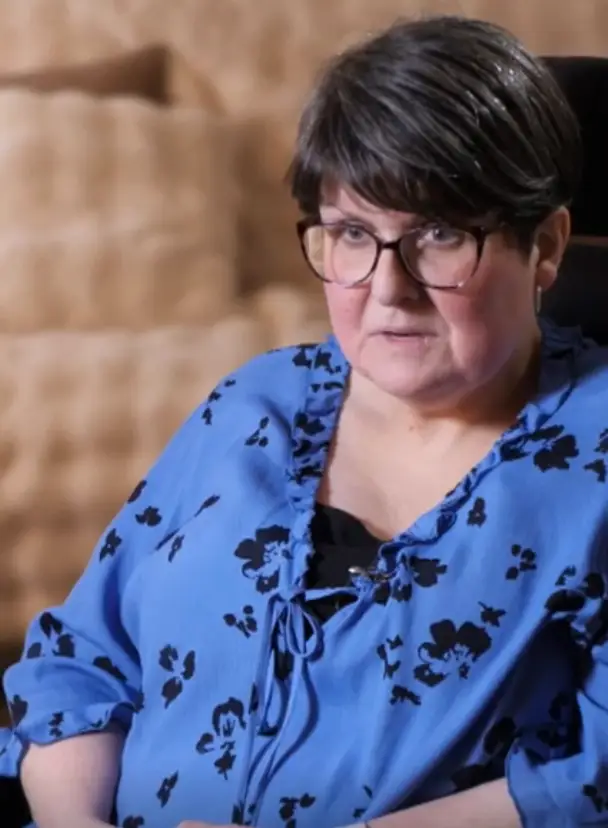
This procedure was common across Europe, the UK, and the US in the 1970s, with tens of thousands thought to undergo the procedure, including Natalie's brother Neil, who has the same incurable brain disease and suffers from Alzheimer's.
Even though the former was diagnosed with a brain tumour in 2009, she was only told about her ICAA condition in 2022, 12 years after being told she had epilepsy.
Harvard Professor Steven Greenberg, one of the world's experts on the condition, said: "We hope and believe the numbers will be limited,
"The hope is that we're talking hundreds."
He added that for those who are affected, 'it is a heartbreaking tragedy, and we feel it very much as the healthcare providers taking care of them'.
Despite wanting to know its origin, there's no record of where Natalie's dura mater came from.
It's believed that these grafts were made from more than one body, as she added: "I think I deserve answers. And if you've got something wrong with you, you want to know it's human nature. You want to know why you've got this problem."
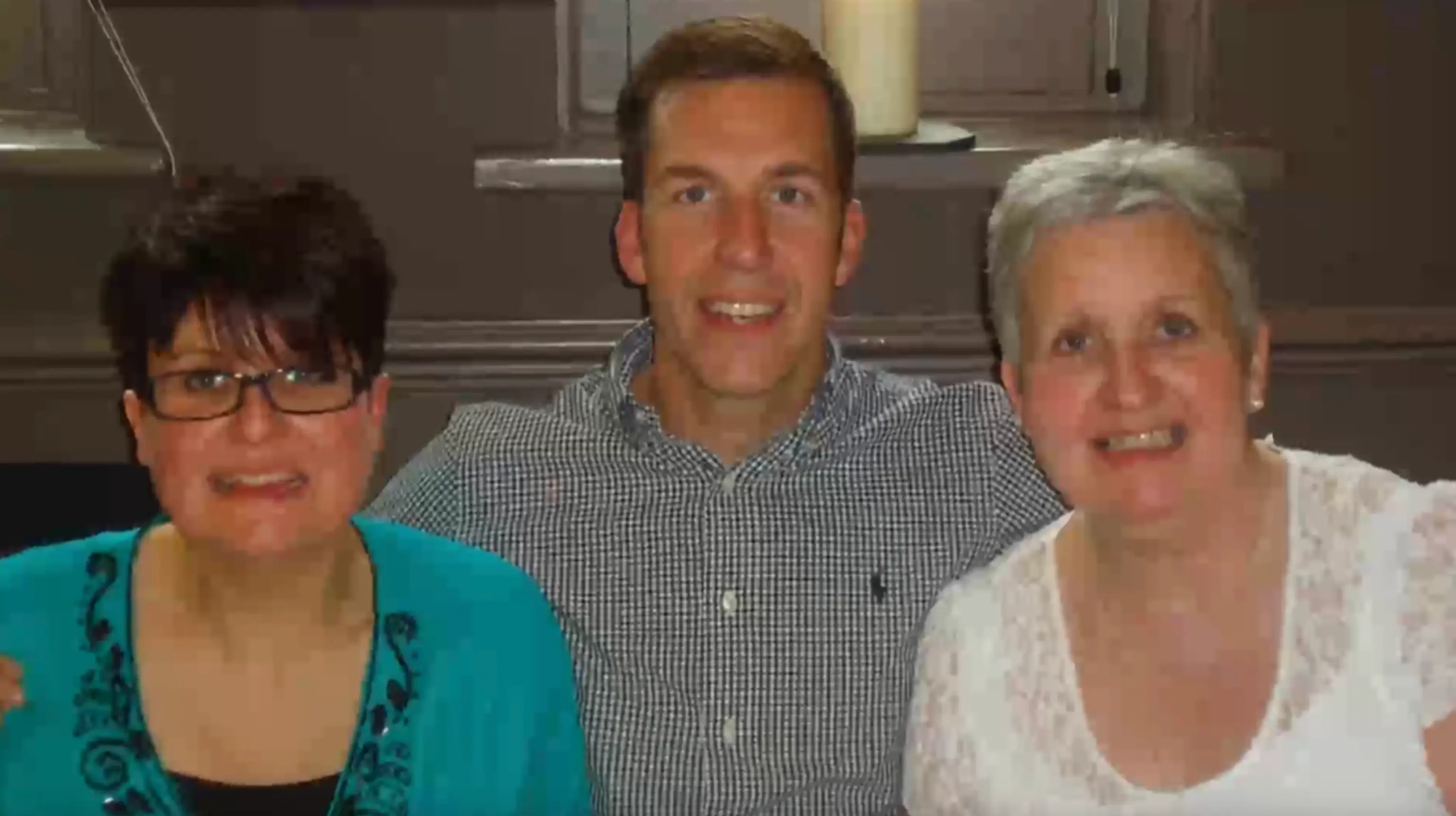
ICAA diagnoses have only become possible due to steps forward in MRI scanning, with the World Health Organisation first advising against the use of cadaveric dura mater grafts in 1997 after patients were contracting Creutzfeldt-Jakob disease (CJD).
While last being used in the UK in 1992, it's clear that its left its mark, with Great Ormond Street Hospital medical director Dr Sophie Varadkar stating: "We understand that this situation may be deeply worrying for former patients who believe they could have been affected.
"At the time, this type of product was commonly used in surgical procedures worldwide, and sadly, the risks associated with it were not yet understood."
"For any of our former patients who think they may be affected, we will support you with getting access to your medical records to allow you to discuss your concerns with your current doctors."
 Joshua Nair