New study changes everything that doctors know about our final moments

If you've ever wondered what happens after you die, you're not alone.
But whether you believe in the afterlife, reincarnation or simply the idea that when you're dead, that's it, a new study has revealed a shocking truth about what happens after our hearts stop beating.
Most of us would assume that as soon as we're medically 'dead,' then that applies to all parts of our body, but in reality it's not that simple.
In fact, the brain is now believed to retain a level of consciousness for 'minutes to hours' after a person is declared dead by a doctor, essentially changing everything we thought we knew about death.
Advert
The discovery was made while researchers studied the near-death experiences of people who have gone into cardiac arrest, before making a miraculous recovery being dubbed as the 'reversibility of death.'
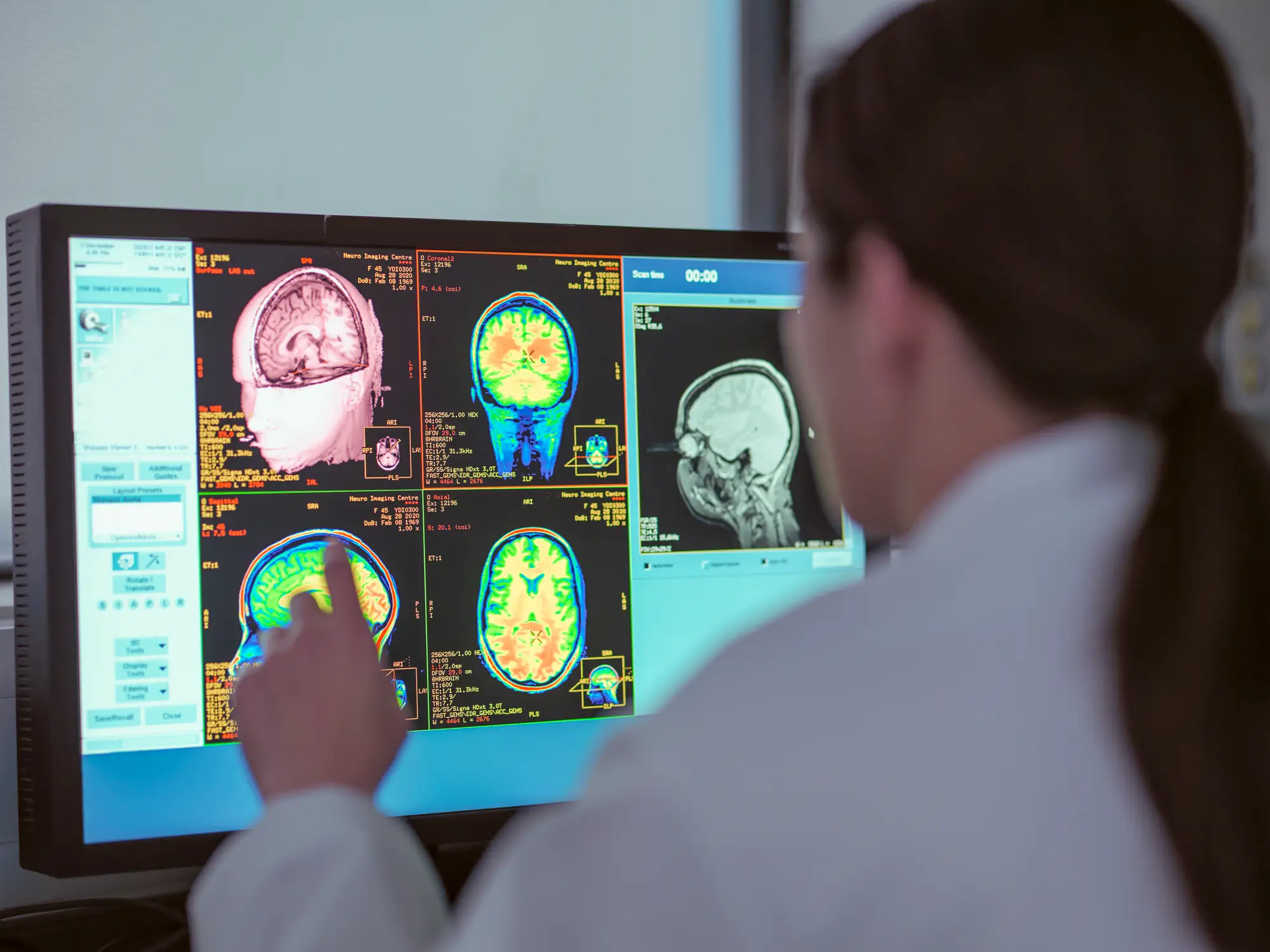
This information could now lead to medical professionals not only 're-evaluating their resuscitation efforts,' but also thinking twice about the timeframe in which they start harvesting organs for those in need.
These findings were shared by Anna Fowler, a student at Arizona State University, at the American Association for the Advancement of Science conference in Phoenix, who has challenged previously held perceptions about death.
"Emerging evidence suggests biological and neural functions do not cease abruptly. Instead they decline from minutes to hours, suggesting that death unfolds as a process rather than an instantaneous event," she told attendees.
"Cardiac arrest studies show that up to 20 percent of survivors recall conscious experiences during periods of absent cortical activity, with some reporting verifiable perceptions."
Put in more simple terms, this means that consciousness can still occur even hours after a person is believed to be dead, as seen in one in five people who have experienced times of no brain activity, yet were able to recall what happened during those moments.
According to Anna, this means 'elements of consciousness may briefly exist beyond the measurable activity of the brain,' even if we're technically and officially brain dead.
And she's not the first person to put forward this belief, as director of the critical care and resuscitation research division at New York University Langone Medical Center, Sam Parnia, agrees.
Speaking to the New York Academy of Sciences, he said: "During the last decade, we’ve realised it’s only after a person has died that the cells inside their body, including the brain, begin their own death process.
"We used to think that you had five or 10 minutes before brain cells died from a lack of oxygen, but we now know that’s wrong. You have hours, if not days, before the brain and other organs in the body are irreversibly damaged after death."
Speaking at the conference, Anna suggested that death should be measured in phases, much like how cancer is measured in stages.
"Research has shown that the brain does not shut down instantly when the heart stops," she said. "Brief bursts of organised brain activity, often called consciousness, can occur after cardiac arrest."
 Emma Rosemurgey