
Warning sign that suggests you are going to have stroke within 90 days

Health experts have explained how one warning sign can suggest that you're at risk of having a stroke in the near future.
Although medical emergencies are unpredictable, on some occasions, there might be some clues in the lead up to them.
According to the Stroke Association, a stroke strikes every five minutes in the UK - and as we all know, it's vital to act fast when someone suffers one. It takes place when the blood supply to part of the brain is cut off and kills off two million brain cells with every minute that passes, so time truly is of the essence. A stroke can cause long-lasting damage to the brain, impact how your body works, as well as changing how you think and feel.
The Stroke Association has explained that the damage usually depends on where the stroke takes place in the brain and how big the impacted area is.
Advert

As they say, prevention is better than cure - but unfortunately, strokes can happen to anyone of any age and we can only do our best to reduce our risk of suffering from one.
The NHS suggests leading a healthy lifestyle, eating a balanced diet, quitting smoking, cutting down on alcohol and regularly exercising to lessen the likelihood of having a stroke. However, if you experience a condition known as a transient ischaemic attack (TIA), there is a high chance that one might be on the cards for you.
Also known as a 'warning stroke' or a 'mini stroke', this is an alarm bell which can go off in the weeks prior to a person suffering from a stroke, Dr Ahmed Itrat said. He told the Huffington Post that the symptoms resemble that of a full-blown stroke, however, the 'only difference is they don’t lead to a permanent neurological injury'.
Symptoms of a TIA include a person's face drooping on one side, being unable to raise both arms and keep them there and slurred speech, among others, but they only last for a few minutes or hours.
The stroke specialist explained that this 'sudden-onset transient symptoms of neurological injury resolve on their own'.

Although it doesn't inflict permanent damage, you still need to take a TIA seriously, as Dr Brandon Giglio, the director of vascular neurology at NYU Langone Hospital, explained it's typically a precursor for a real stroke.
"It really is a harbinger in many people for someone who is going to have a stroke even within the next 48 hours and certainly within the next seven, 30, 90 days," Dr Giglio said.
He urged people to take action if they experience any stroke-like symptoms, adding: "If someone has any of those signs and they were abrupt in onset, I would advise them to go to the nearest emergency room."
From there, a doctor can assess you and work out what's going on.
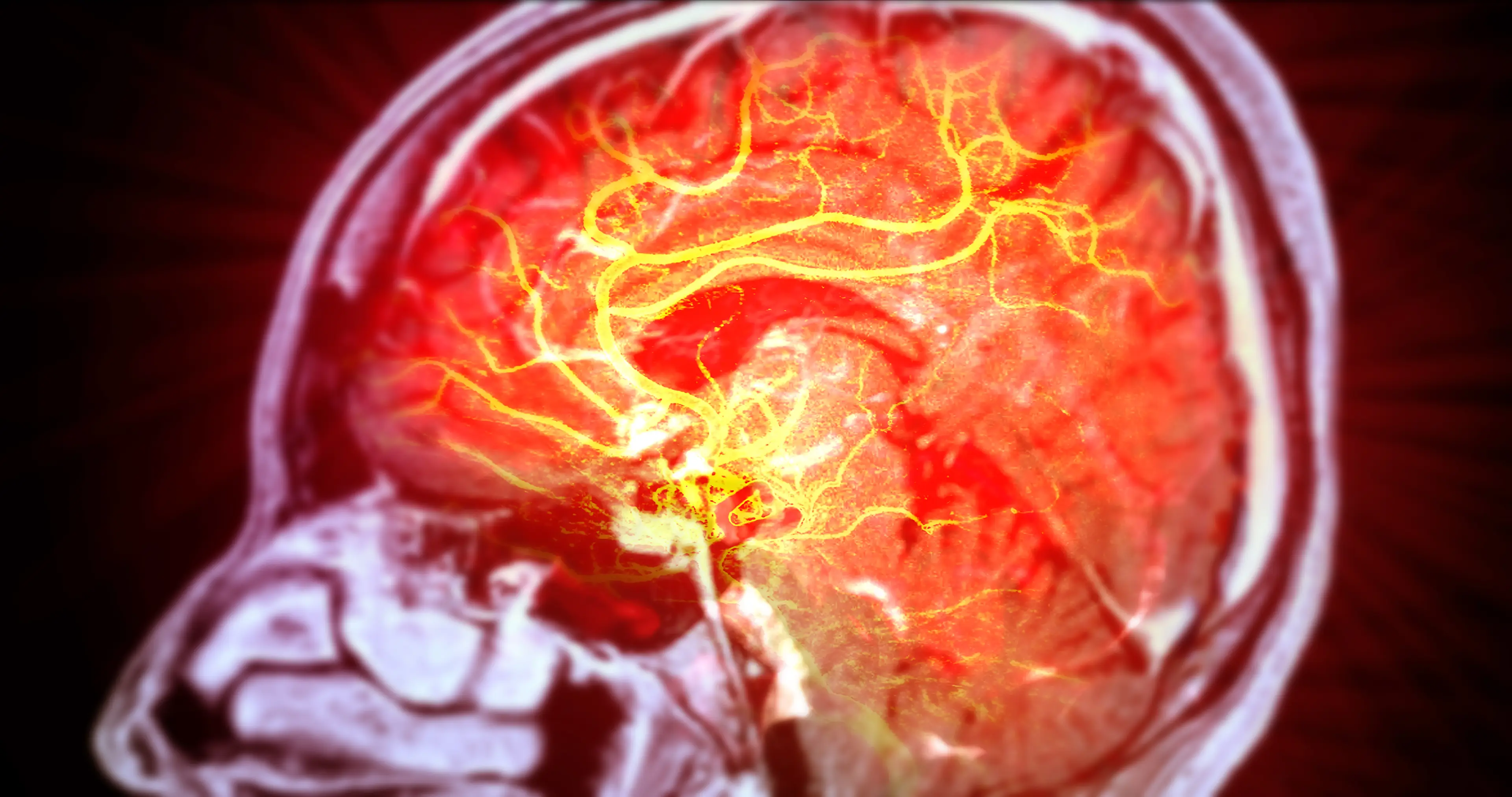
According to the NHS, Brits should be referred to see a specialist within 24 hours of the start of any TIA symptoms. These also include vision issues, vertigo, being sick, dizziness, confusion, balance issues and difficulty swallowing.
The NHS adds: "A TIA is a warning that you're at risk of having a full stroke in the near future. An assessment can help doctors determine the best way to reduce the chances of this happening.
"If you think you've had a TIA previously, but the symptoms have since passed and you did not get medical advice at the time, make an urgent appointment with a GP. They can refer you for a hospital assessment, if appropriate."
Getting checked out could save you a lot of trouble in about 90 days time.
 Olivia Burke